
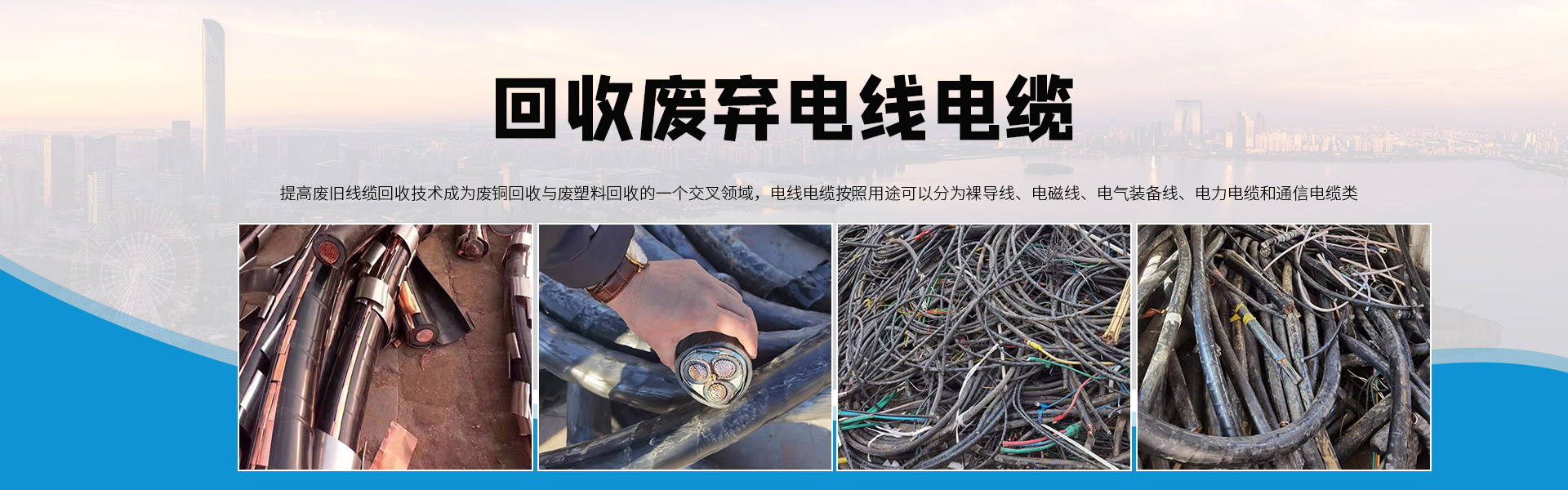
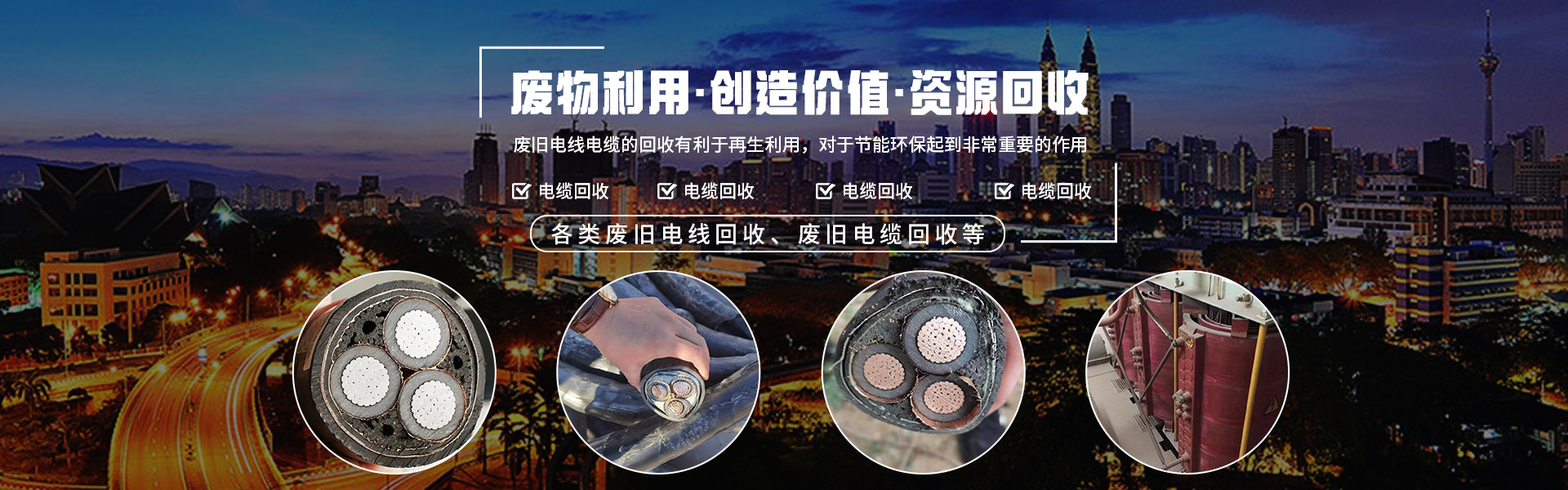
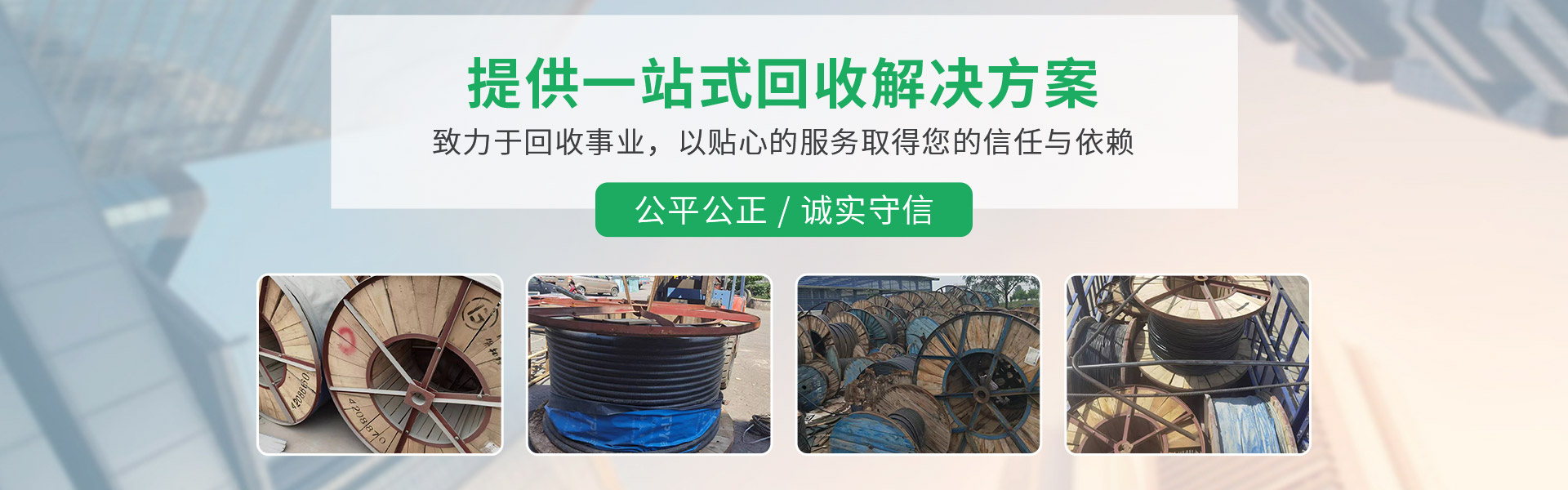


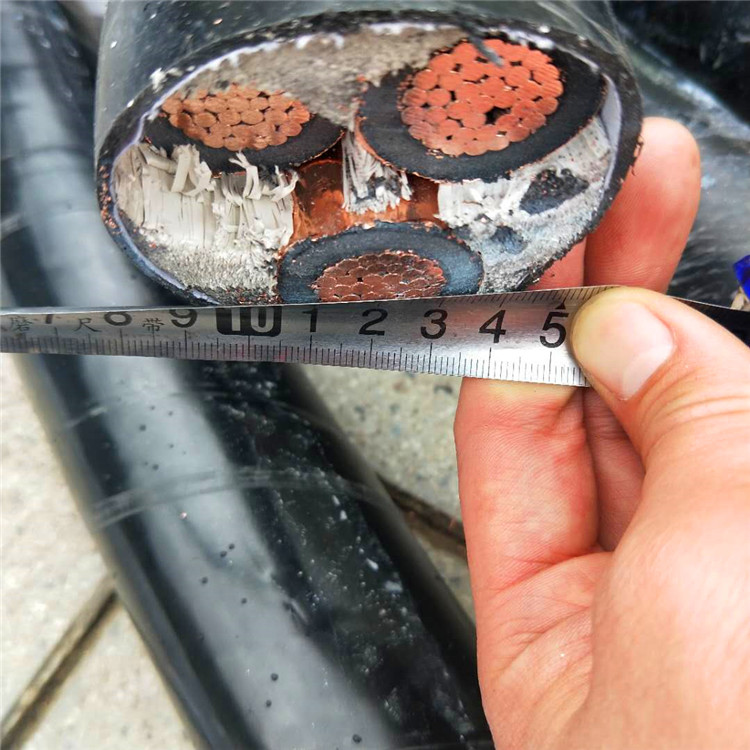
The advancement of recycled cable technology has become a crossover field in copper and plastic recycling. Wires and cables can be categorized by their applications into bare conductors, electromagnetic wires, electrical equipment wires, power cables, and communication cables. They are generally composed of three parts: conductors, insulation, and protective layers.
Recycling scrap cables and wires allows non-functional cables to have a broader application value. It greatly aids in the production of household appliances like refrigerators and fans, significantly promoting the manufacturing of many components and electrical products. Moreover, in many automotive manufacturing processes, recycled cables can play a more powerful role and offer advantages. Therefore, the use of these materials also enhances the convenience of daily life.
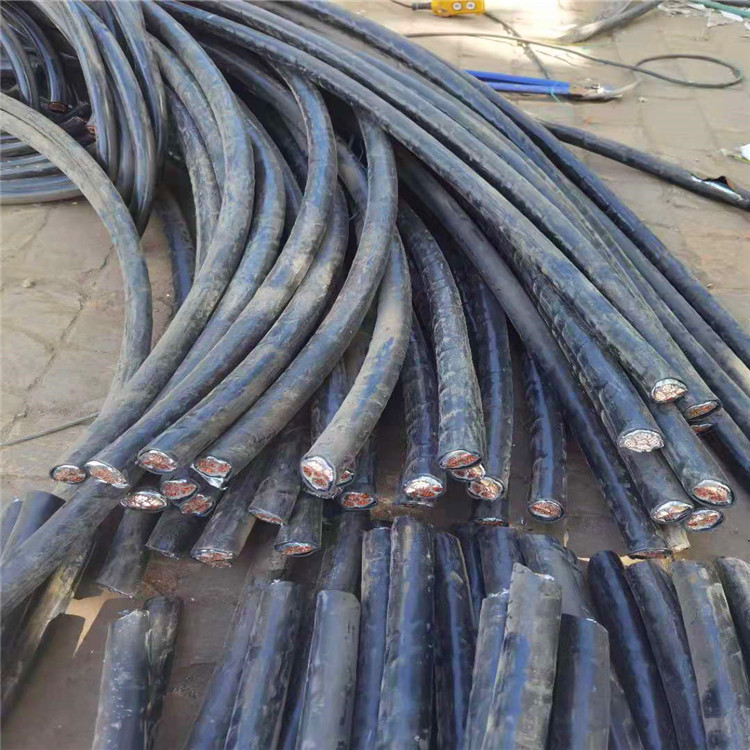
What are the requirements for wire and cable recycling?
1. Look at the packaging, the cables and wires that meet the national recycling standards often have good quality, are neat, and give a sense of quality when held in hand.
2. Please open the packaging to inspect the wires inside. National standard wires with a cross-sectional area of 1.5 to 6 square millimeters require an insulation thickness of 0.7mm. Very thick insulation indicates non-standard wires, which would definitely have insufficient cores. You can pull the wire jacket with force; if it's not easy to tear, it's generally in compliance with the national standard.
3. Must have flame-retardant function: A product that extinguishes within 5 seconds after being set on fire is in compliance with the national standard.
4. Inspect the core: The higher the brightness of the core material (copper), the better the quality of the copper, and it should have even lighting with no sense of layers. National standards require that the core must be made of oxygen-free copper. The recycling of non-standard cables, such as black rod copper, may pose hidden safety hazards.
5. The core thickness has certain national requirements, but they are not very strict. However, it won't be off by much; just very slight, usually undetectable by the naked eye.
6. Length is not necessarily mandatory to be marked in meters by the country, but many manufacturers do so. Those marked in meters are not always in accordance with national standards, but it's generally the case that national standards are not marked in meters. Marking in meters for non-standard cable recycling is just a method.
7. National regulations stipulate that electrical wires must be marked with certain identifiers. For lengths not exceeding 500mm, a consistent marking is required. These markings typically include the product's trademark, the manufacturer's name, and the execution standards.
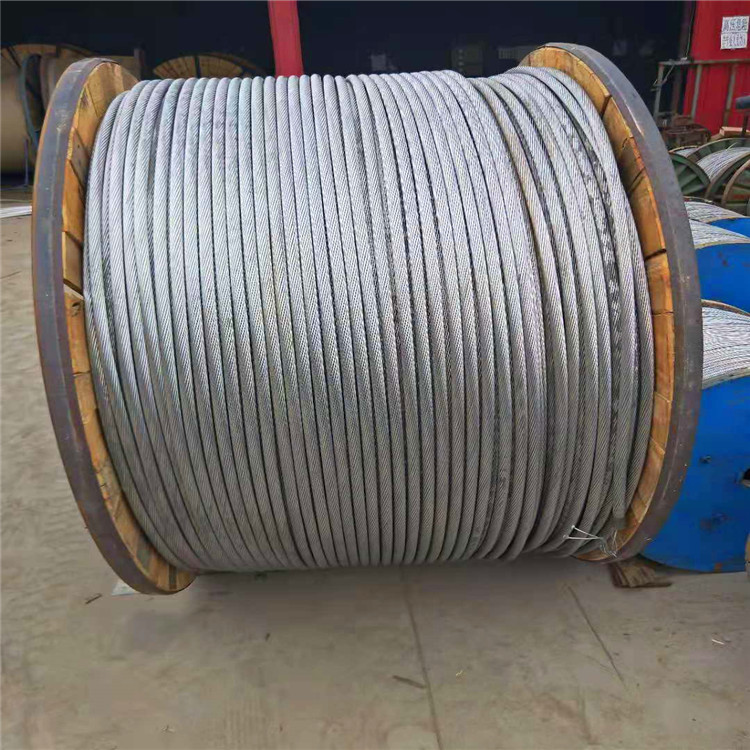
Scrap cable and wire crushing recycling equipment has greatly promoted the development of China's circular economy. The rapid development of society inevitably leads to a significant consumption of resources. As society evolves through a long-term development process, we cannot develop social and economic progress at the expense of excessive resource consumption. Therefore, it is essential to promote common social development through a circular approach of energy and economy.
