

In the bustling commercial environment of shopping malls, with diverse business formats, the central air conditioning system is not only a core facility ensuring customer comfort but also a crucial support for store operational efficiency and brand image. However, due to significant differences in spatial layout, thermal load requirements, and ventilation standards among different business formats, neglecting details during the installation of central air conditioning can easily lead to issues such as high energy consumption, uneven heating and cooling, noise disturbances, and even safety hazards.
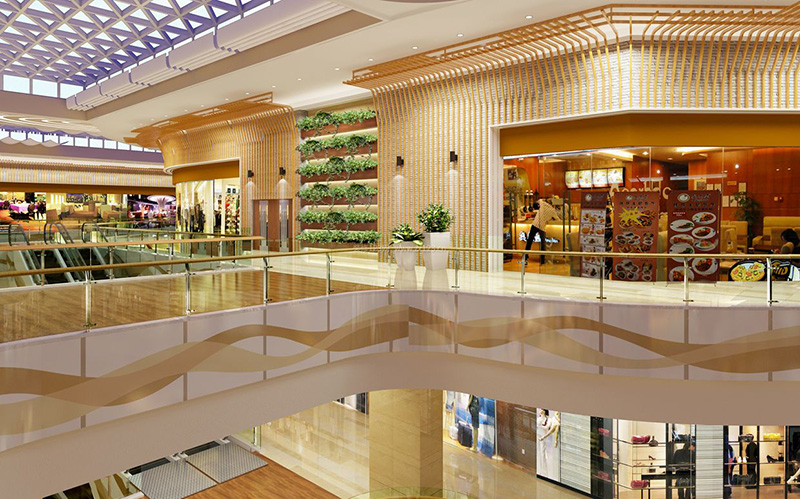
Installing central air conditioning in shopping mall shops requires considering comfort, energy efficiency, stability, adaptability, and construction regulations among other factors. Here are key points to note:
One: Selection and Design Phase of Central Air Conditioning for Shopping Mall Retail Shops
1. Cold load calculation must be accurate
Diverse commercial uses result in significant differences in cooling loads. Generally, commercial spaces vary greatly in terms of cooling requirements.Design at 150W/㎡, for catering services, it should be raised to 250~300W/㎡, considering kitchen ventilation and personnel density factors.
2. Regional Control and Flexibility
Store layouts are versatile; it is recommended to use a multi-machine system that supports independent zone control to avoid uneven heating and cooling, and adapt to adjustments in the rental area.
3. Air Inlet and Exhaust System Design
High foot traffic requires a dedicated fresh air system to ensure air quality; for catering services, additional facilities like exhaust fans, fire dampers, and purifiers are also necessary.
4. Energy Efficiency and Energy Performance Ratings
Prioritize the use of products with first-class energy efficiency.IPLV of 6.0 or higher, significant energy savings over long-term operation, reducing operational costs.
Phase II: Central Air Conditioning Installation and Construction at Shopping Mall Retail Units
Avoid damaging the structure and circuit
Do not damage the existing building structure or electrical systems of the shop during installation. Construction must be carried out according to the provided plans to ensure compatibility with the overall mall system.
2. Reasonable placement of indoor and outdoor units
- Indoor Unit: Avoid obstacles; maintain a distance of ≥1 meter between the supply and return air outlets; prevent direct air flow towards customers.
- Outdoor Units: Ensure good ventilation, avoid direct sunlight, and no oil smoke or flammable gas environment. The spacing between multiple units should be ≥1.5 meters.
3. Pipeline and Power Supply Standard Construction
- Refrigerant tubes are welded under nitrogen protection to prevent oxidation and clogging.
Drain pipes with a slope of ≥1% to prevent condensate backflow.
Power sources must be independently configured to avoid the risk of electrical leakage.
Dustproof, noise-proof, and waterproof
After indoor unit installation, dust protection is required to prevent construction dust from entering; the equipment must be installed horizontally to avoid noise and potential leakage issues.
III. Operation and Maintenance Phase of Central Air Conditioning in Shopping Mall Retail Stores
Regular cleaning and maintenance
Filter recommendations everyCleaning every 2 weeks and conducting annual system maintenance can reduce energy consumption by over 30% and extend the lifespan of the equipment.
2. Smart Control System
We recommend integrating a unified smart control platform for the mall, which will enable remote monitoring and group management, enhancing management efficiency and energy-saving effects.
Special Considerations for Central Air Conditioning in Shopping Mall Retail Spaces
- Street-level retail shops: If there is an external door, it is recommended not to connect to the central air conditioning system to avoid resource waste. Independent air conditioning units can be used instead.
- Tenant Regulations: Most malls provide air conditioning terminals or interfaces, tenants must apply in advance, construct according to specifications, and cover the costs themselves.
