
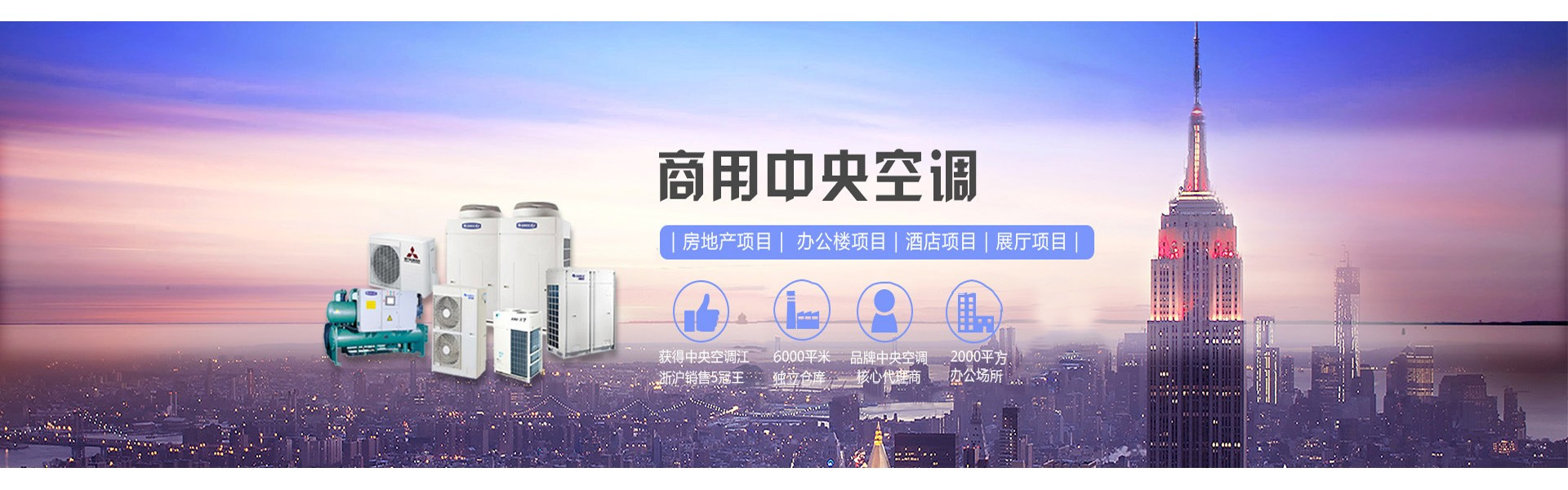

When selecting the right HVAC system for a commercial project in Suzhou, choosing a professional and reliable installation company is the key to the project's success. There are significant differences in complexity, system design, and installation requirements between commercial and residential HVAC systems. How to make an informed choice among the numerous HVAC companies in Suzhou?
One, Company Qualifications and Authorizations
Verifying whether an air conditioning company has the legal qualifications and professional capabilities is a step in the assessment process. You need to check:
1. Business License and Mechanical and Electrical Installation Qualification: Ensuring the company has legal operating qualifications and the corresponding professional installation qualifications
2. Brand Authorization Certificate: Verify if the company is a core agent or exclusive dealer for a renowned brand.
3. Industry Certifications: Learn whether the company has obtained relevant quality, safety, or management system certifications in the industry.
Part Two: Solution Design Capabilities
Professional design is the foundation for the efficient operation of commercial air conditioning systems. An outstanding design team can:
1. Offer on-site inspections: Gain in-depth understanding of project space structure and specific requirements
2. Tailored Personalized Solutions: Avoid generic standard configurations and customize according to the characteristics of the commercial space.
3. Load Calculation: Ensure that the air conditioning capacity matches the actual demand, avoiding both overcapacity and undercapacity.
4. System Optimization Suggestions: Propose multi-dimensional optimization solutions covering energy efficiency, noise levels, and control methods.
Section 3: Installation Cases and Experiences
"Experience that can be seen is often persuasive as a reference. When assessing a company's practical experience:"
Review Similar Projects: We require you to view cases similar to your project type (such as office buildings, restaurants, factories, etc.).
2. On-Site Inspection of Operational Effects: If conditions permit, visit the actual operational status of completed projects
3. Engaging with Previous Clients: Gaining Insight into Our Actual Performance in Project Management and Issue Resolution
4. Evaluate Project Scale: Confirm the company's experience in handling projects of similar size
Four: After-Sales Support System
The value of commercial air conditioning systems extends beyond the installation phase, permeating throughout the entire usage cycle. Comprehensive after-sales support should include:
1. Clear Warranty Policy: Including warranty duration, scope, and conditions
2. Swift Response Mechanism: Familiarize with the company's standard response time and emergency fault handling procedures
3. Regular Maintenance Services: Inquire about the availability of long-term services such as preventive maintenance plans.
4. Professional Technical Team: Understand the size, training, and professional qualifications of the after-sales team
V. Quotation and Contract Regulations
Transparent pricing and standardized contracts are the guarantees for the smooth implementation of projects. During the review:
1. Obtain detailed quotes: Compare the specific items included in each company's quotes to avoid hidden fees
2. Define Engineering Scope: Ensure the contract clearly lists all work content, material specifications, and brands
3. Project Timeline and Acceptance Standards: Clearly define the project schedule and specific acceptance criteria
4. Refine After-Sales Service Terms: Clearly articulate verbal commitments for after-sales service in the contract
Section 6: Common Traps and Avoidance Strategies
1. The Low-Price Trap
Abnormally low price quotes in the market often conceal risks. These companies may compromise on material quality, process standards, or after-sales service, leading to reduced system operational efficiency or increased long-term maintenance costs. Recommendation: Be vigilant of excessively low quotes and prioritize cost-effectiveness over mere low pricing.
2. Lacking Qualifications
Companies without proper qualifications or brand authorization may struggle to ensure the quality of their work and may also face difficulties in accountability during disputes. Recommendation: Always verify the original copies of relevant qualification documents before entering into any partnership, and also confirm the authorization status with the brand owner.
3. Design Application
Applying standardized solutions without on-site inspections fails to meet the personalized needs of commercial spaces. Suggestion: Opt for a company that adheres to the process of inspection followed by design to ensure the solution aligns closely with your specific requirements.
4. Reputation Risk
The company's market reputation is a crucial reference for assessing its service quality. Suggestion: In addition to the reference cases provided by the company, one may also gather comprehensive information about the company's real reputation through online searches, industry forums, or inquiries from peers.
Section 7: Recommended Brand Selection
Stable commercial air conditioning brands performing well in the Suzhou market include:
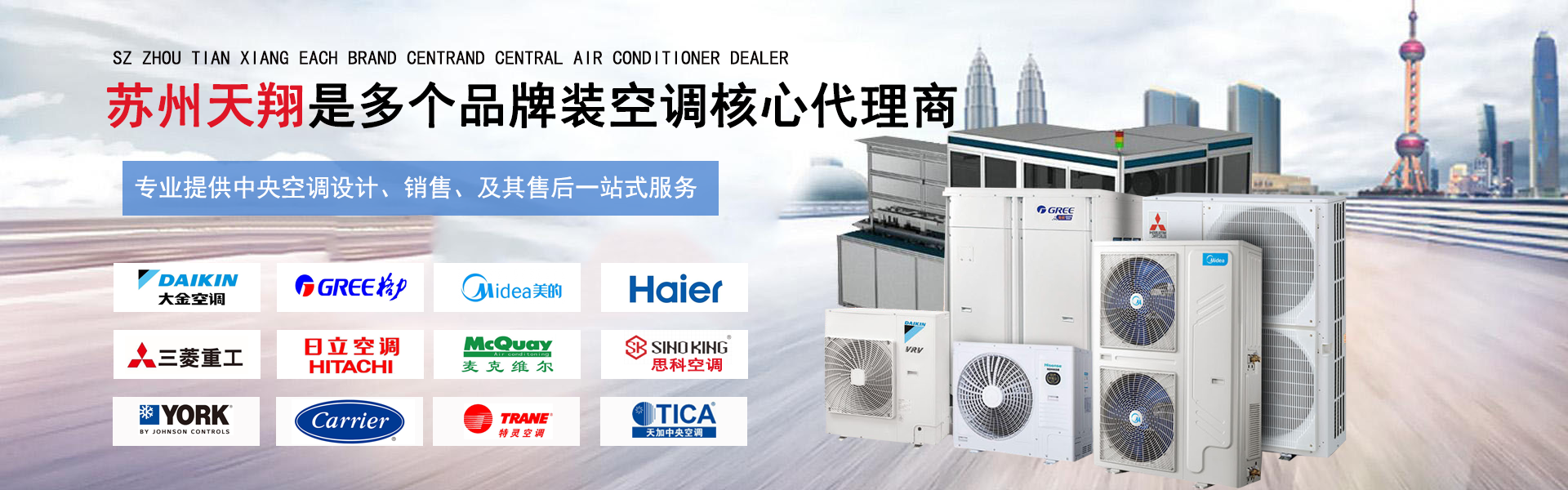
Japanese Brands: Daikin, Hitachi, Mitsubishi Electric— Renowned for its precision technology and high stability
Domestic Brands: Gree, MideaHigh value for money, comprehensive after-sales service network
American Brands: McQuay, TraneOur company boasts extensive experience in handling large-scale projects.
