

A high-pressure alarm in a central air conditioning unit typically indicates that the system has detected the compressor exhaust pressure exceeding the safe set value, triggering a protective mechanism. Below are the common causes and corresponding solutions, compiled based on the latest information:
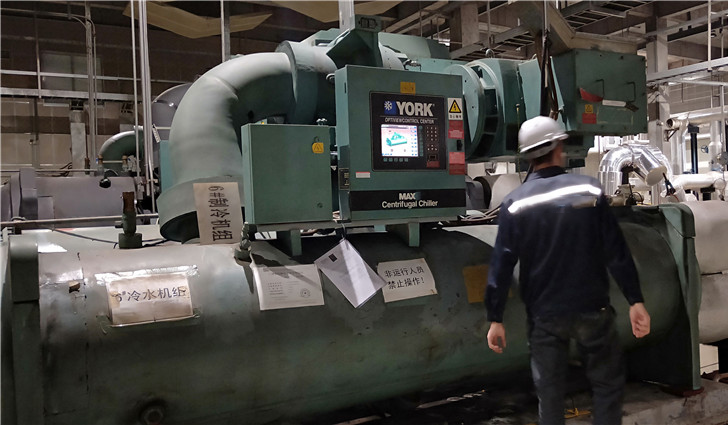
I. Common Causes and Solutions
Chilling Agent Issue: Overfilling of the refrigerant has caused the system's high-pressure to rise.
Recycling Approach: Utilize professional equipment to reclaim excess refrigerant and restore to standard levels.
2. Condenser Cooling Issues: Dirty and clogged condenser fins, fan malfunction, insufficient air volume, blocked intake and exhaust air outlets, and excessively high ambient temperature.
Treatment Method: Clean condenser fins, inspect fan motor and capacitors, remove obstructions, and improve ventilation conditions.
3. Abnormal Cooling Water System: Water-cooled condenser - insufficient cooling water flow, high water temperature, pump or cooling tower malfunction
Inspect pump, valve, and cooling tower operation; clean the water system to ensure normal water flow and temperature.
4. Expansion Valve Failure: The expansion valve is either over-opened or jammed, leading to incomplete evaporation and higher than normal suction pressure.
Approach: Inspect the solenoid valve's operating status and replace the same model part if necessary.
5. Air in the system: Failure to evacuate air during installation or maintenance has led to the accumulation of non-condensable gases, resulting in increased condensation pressure.
Vacuum pump re-evacuation and refrigerant top-up method
6. Pipeline Blockage or Oil Accumulation: Oil clogs or impurities obstruct the pipeline, causing a disrupted refrigerant circulation.
Procedure: Clean the pipeline system, and if necessary, re-route or replace some copper pipes.
7. Compressor Malfunction: Internal Wear, Valve Damage, Decreased Efficiency
Compressor maintenance or replacement to be performed by professionals.
8. Electrical or Sensor Malfunction: False alarm from high-voltage sensor, incorrect parameter settings in the electrical control system
Method: Calibrate or replace sensors, check control logic and set parameters
II. Proposed Inspection Steps
Check refrigerant dosage: Use a pressure gauge or an electronic scale to determine if it's excessive.
Inspect the condenser: Check for any dirt or blockages in the fins and ensure the fan is operating properly.
Chiller System (Water Cooling Unit): Confirm that the pump, cooling tower, and water flow switch are functioning normally.
Check the膨胀阀:Observe if the suction temperature matches the evaporation temperature.
Inspect electrical control system: reset high-voltage protector, check sensors and control logic.
Preventive Measures
Perform a quarterly cleaning of the condenser.
Perform an annual check of refrigerant charge and system vacuum level.
Regularly inspect critical components such as fans, water pumps, and expansion valves.
Avoid prolonged full-load operation in high-temperature environments.
If self-inspection yields no results, it is recommended to contact professional maintenance personnel for system stress testing and fault location to avoid misoperation leading to greater damage.
