



During the plum rain season, high humidity levels can affect equipment and materials in large workshops, impacting normal production.
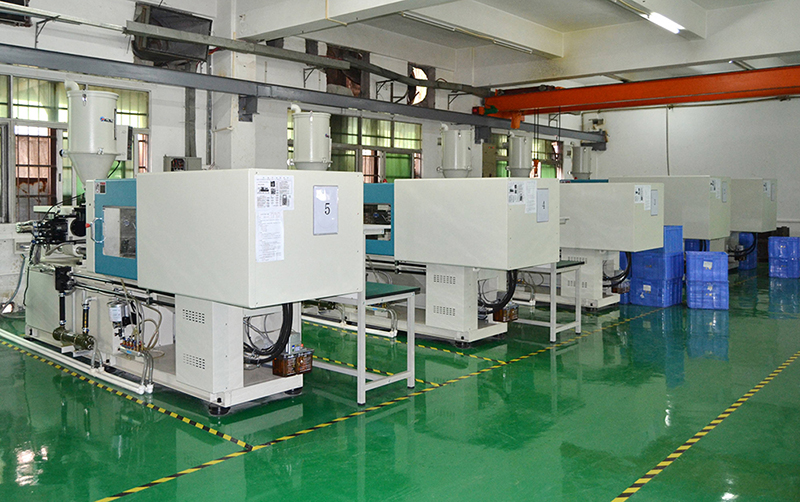
Large-scale workshop dehumidification during the Huanmei weather can be achieved through the following methods:
One, use dehumidification equipment
1. Industrial Dehumidifiers: A common choice for workshop dehumidification, industrial dehumidifiers remove moisture from the air using refrigeration or desiccant principles, then circulate the dried air back into the workshop to reduce humidity. Similar to constant temperature and humidity air conditioners, they use compressors to cool and dehumidify the air, making them suitable for workshops with stringent temperature and humidity requirements.
2. Temperature and Humidity Control Equipment: Devices such as heaters and heat blowers are used to introduce warm air into the workshop or set up heating points, raising the workshop temperature and consequently reducing the relative humidity of the air. However, it is essential to enhance ventilation to prevent heat buildup within the workshop, which could lead to other issues.
Optimize workshop ventilation
1. Utilize Natural Ventilation Wisely: During relatively dry weather conditions, such as occasional sunny days during the plum rain season or periods of low humidity, open the workshop windows and doors to allow for natural ventilation. Let the dry air enter the workshop to displace the damp air.
2. Enhancing Mechanical Ventilation: Install ventilation fans, exhaust fans, and other ventilation equipment to accelerate air circulation inside and outside the workshop, expel moist air from the workshop, and simultaneously introduce dry air. For large workshops, a zonal ventilation system can be adopted, which targets specific areas based on their humidity conditions for effective ventilation and air exchange.
Section III: Improving Workshop Environment
1. Enhanced Drainage Facilities: We have improved the workshop's drainage system to promptly remove ground water, preventing moisture buildup within the车间 and minimizing humidity at its source.
2. Utilize Drying Materials: Placing moisture-absorbing materials, such as desiccants and activated carbon, in the workshop can help absorb some of the moisture in the air, aiding in dehumidification. However, it's important to regularly replace these materials to maintain their absorption effectiveness.
3. Material Moisture Control: Strictly manage raw materials and components entering the workshop to ensure they are fully dried before storage, preventing moist materials from being brought into the workshop and increasing humidity. For moisture-absorbing materials, sealed packaging or storage in a dry warehouse can be employed.
