

Under the challenge of persistent high temperatures in summer, industrial factories face the dual pressures of equipment heat dissipation and environmental control. —— The cooling requirements of high-ceiling spaces and the continuous heat generation from dense equipment often account for more than 30% of the total electricity consumption in industrial enterprises.
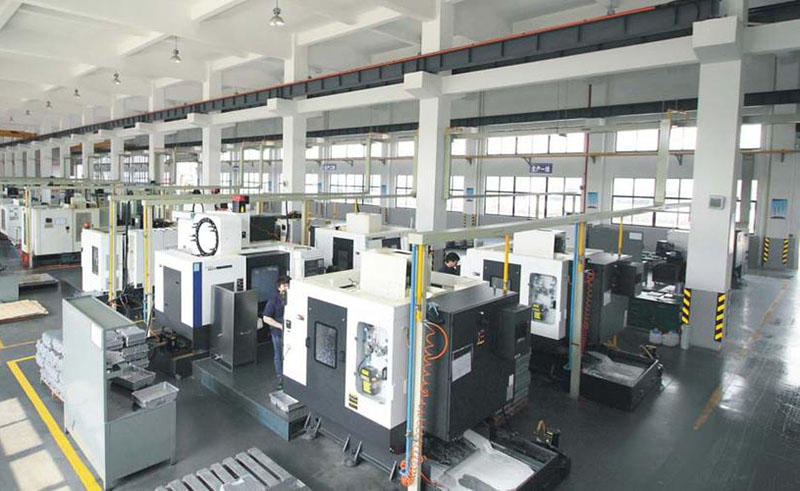
Here are some energy-saving methods for industrial factory air conditioning:
One, Air Conditioning System Design and Equipment Selection Phase
1. Optimized Air Conditioning System Design: Based on the structure, area, personnel, and equipment distribution of the factory, accurately calculate heating and cooling requirements, determine the appropriate type and capacity of air conditioning equipment, and avoid over-sizing or under-sizing to prevent energy waste.
2. Optimized System Layout: Rationally design the layout of the air conditioning system to ensure smooth air flow and circulation, reducing energy loss. At the same time, fully consider insulation and sealing measures to minimize heat loss and cold energy leakage.
3. Choosing Energy-Efficient Equipment: Opting for high-efficiency equipment such as energy-saving compressors, ventilation systems, and refrigeration units, like the magnetic suspension variable-frequency centrifugal central air conditioning system. This system employs a magnetic suspension motor with no mechanical friction and oil-free lubrication, significantly reducing mechanical losses in the drive system and improving the overall energy efficiency of the system.
Section II: Operations Management and Maintenance
1. Smart Control System Application: By utilizing a smart control system, the operation of air conditioning is automatically adjusted based on real-time changes in temperature, humidity, and personnel/equipment within the factory, achieving precise control and avoiding unnecessary energy waste. Through sensors and data analysis, the system can continuously monitor environmental conditions and dynamically adjust parameters such as temperature, humidity, and air flow.
2. Regular Maintenance: Develop a detailed equipment maintenance schedule, and regularly inspect, clean, and service the air conditioning system to ensure optimal operational status and enhance energy efficiency. For instance, promptly cleaning the air conditioner filters and keeping the ventilation ducts clear.
3. Optimizing Temperature Settings: Aim to set the air conditioning temperature to a higher, yet reasonable range during summer to meet production needs and ensure comfort. Generally, it's recommended not to go below 26°C. Data shows that for every 1°C decrease in the set temperature of the unit during summer, energy consumption increases by approximately 9%.
III. In conjunction with other cooling measures
Roof Insulation and Greening: Installing thermal insulation materials such as rock wool, glass wool, and polyurethane on the roof, or implementing roof greening with green plants, to utilize the transpiration of plants to lower the roof temperature and reduce heat transfer into the factory interior.
2. Wall Sunscreening: Install shading nets and curtains on the exterior of the wall to block direct sunlight, thereby reducing the amount of heat absorbed by the wall.
3. Ventilation and Air Exchange: Reasonably design ventilation openings in the factory to utilize natural wind for air exchange. For factories with poor natural ventilation, mechanical equipment such as roof ventilators, industrial fans, exhaust fans, and negative pressure fans can be installed to accelerate indoor air circulation, expel hot air, and lower the indoor temperature.
4. Local Cooling: For areas with high personnel concentration or excessive equipment heat generation, local cooling can be achieved through job position ventilation. This can be done by using portable air conditioners, coolers, and industrial ceiling fans, etc., to directly supply air to the workers or near the heat-generating equipment, ensuring precise cooling without overcooling the entire factory.
