

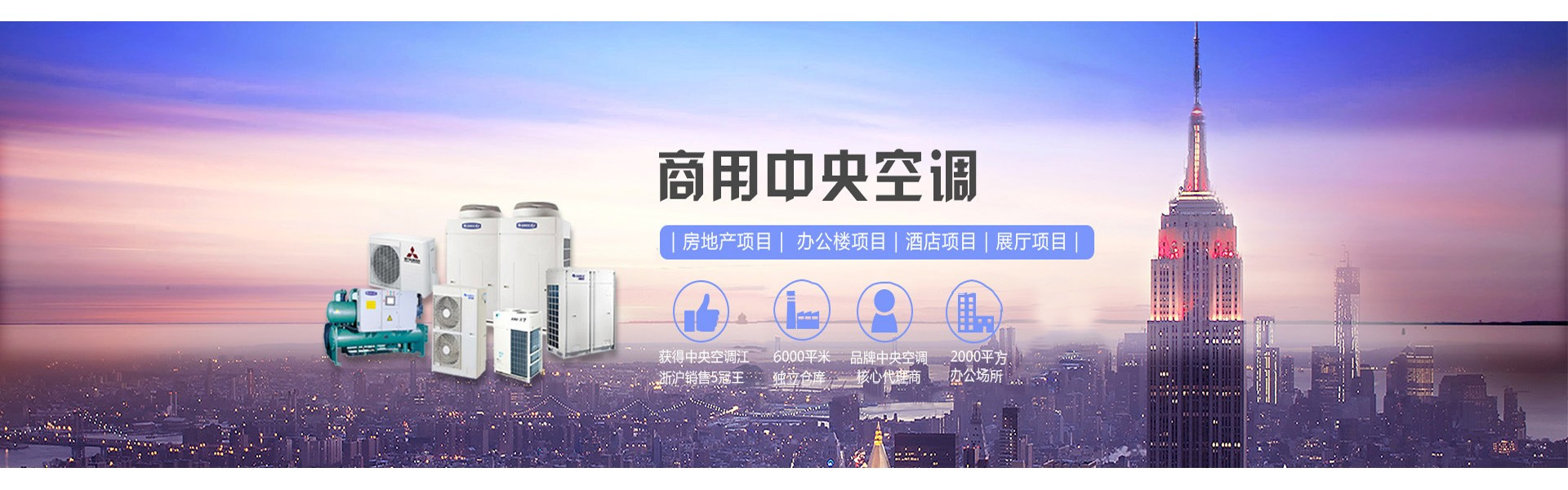

In modern industrial production, the central air conditioning system serves as a crucial component of factory environmental control, responsible for maintaining the workshop's temperature, humidity, cleanliness, and air circulation. Compared to air conditioning systems in residential buildings, factory central air conditioning systems face more complex operating environments and higher technical requirements.
The following are some special requirements for the central air conditioning in the factory:
Efficient and Stable Operation: Factory production often requires continuous, long-duration operation, necessitating that the central air conditioning system can run at full load for extended periods to maintain stable workshop temperatures. Large-scale water system central air conditioning, with multiple compressors, can continue to operate even if some fail, making it particularly suitable for factory use.
2. Temperature and Humidity Control: Different production processes within the factory have varying requirements for temperature and humidity. For instance, the textile workshop demands higher humidity, while the electronics workshop requires strict precision in temperature and humidity. The central air conditioning system must be capable of controlling temperature and humidity to meet the needs of the production process.
3. Cleanliness Requirements: Certain factories, such as food processing and electronics plants, have high demands for air cleanliness. Central air conditioning systems must be equipped with high-efficiency filters to ensure air quality.
4. Energy Efficiency: The factory's central air conditioning consumes a significant amount of energy, accounting for about one-third of the company's total electricity usage. Therefore, choosing energy-efficient central air conditioning systems, such as variable-frequency air conditioners, and implementing reasonable energy-saving upgrades are crucial for reducing the company's operational costs.
5. Environmental Sustainability: The central air conditioning system should utilize environmentally friendly refrigerants to minimize environmental impact. Furthermore, its efficient cooling performance can also reduce noise pollution within the factory's interior.
6. Installation and Maintenance: The placement of the factory's central air conditioning system must be rational to avoid exhaust gas backflow and noise interference, and facilitate maintenance. Additionally, the installation process must strictly adhere to design specifications to ensure the system operates smoothly.
7. Noise Control: The noise generated by the central air conditioning system in the factory may affect the efficiency of workers, so measures such as sound insulation and vibration reduction are required to lower the noise level.
Flexibility: Factory layouts and production requirements may change, so the central air conditioning system should possess a certain degree of flexibility to accommodate varying production environments and needs.
