



As the demand for comfortable living environments in modern architecture continues to grow,WarehouseLarge central air conditioning systems have been widely used in various locations. However, the noise issues these systems generate during operation have also gradually drawn public attention.WarehouseThe noise from central air conditioning systems not only disrupts the tranquility of indoor and outdoor environments, but may also adversely affect people's physical and mental health.
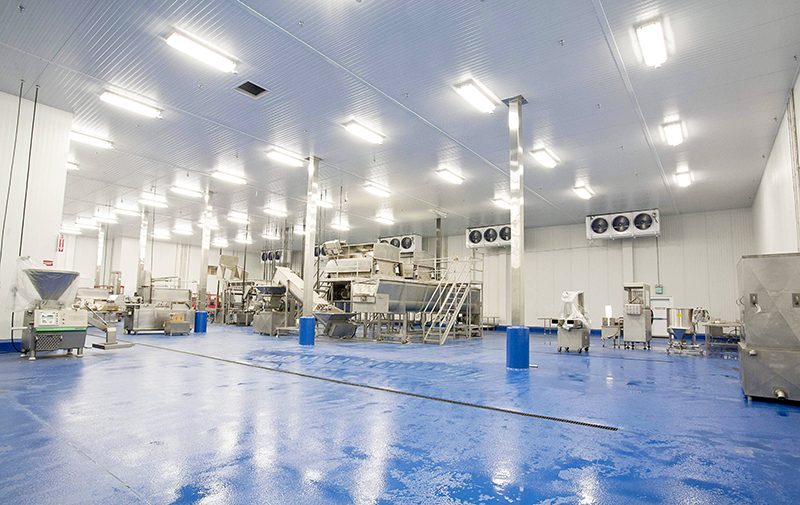
Large central air conditioning system noise reduction in the workshop can be approached from the following aspects:
Central Air Conditioning Equipment Selection and Installation
- Select Low-Noise Equipment: When choosing equipment, prioritize products with low-noise characteristics, such as low-speed pumps, low-noise fans, and compressors, to reduce noise generation at the source.
- Installing Vibration Absorbing Devices: During equipment installation, to minimize the impact of equipment vibration on the building structure and surrounding environment, vibration absorbing devices such as spring shock absorbers and rubber pads should be installed at the bottom of the equipment, including equipment like chilled water pumps, cooling water pumps, and fan coils. For larger pipes, elastic hangers or rubber vibration pads can be used to reduce the transmission of vibration.
Central Air Conditioning Equipment System Operation and Control
Adjusting Airflow Speed: Properly adjusting the airflow speed of the fan can reduce the noise generated during fan operation, as well as decrease the airflow noise within the pipeline.
Regular Equipment Maintenance: Conduct regular maintenance on equipment such as fans and pumps in the air conditioning system, including cleaning fan blades and checking the operational status of pumps, to ensure optimal performance and prevent increased noise due to equipment failure or aging.
Central Air Conditioning Equipment Pipe Noise Abatement
Pipe Soundproofing Wrapping: Soundproofing wrapping for air conditioning ducts can effectively reduce the transmission of airflow noise within the ducts. Sound-absorbing materials such as glass fiber wool, polyester fiber, etc., can be used to line the interior of the ducts.
- Enhanced Pipe Support: Employing elastic supports and hangers to secure ductwork, avoiding rigid connections between ductwork and the building structure, reducing vibration transmission. Additionally, anti-vibration pads are filled at the contact points between the ductwork and walls.
Section 4: Central Air Conditioning Equipment Machine Room Noise Control
- Soundproofing Materials: Installing sound-absorbing materials, such as acoustic panels and mats, on the interior walls and ceilings of equipment rooms can effectively reduce echo noise within the room and minimize noise transmission. For locations with higher soundproofing requirements, the walls and floors of the equipment room can utilize built-in sound-absorbing materials and composite walls with excellent soundproofing properties.
- Installing Soundproof Windows and Doors: The doors and windows of a server room are vulnerable to noise transmission. It is advisable to use composite doors with internal absorbent materials, employing a tongue-and-groove compression seal for the door gaps. Additionally, double-glazed windows can be chosen, with sound-absorbing treatments applied around them.
