


In modern industrial production environments, the central air conditioning system is not only a crucial facility for providing a comfortable working environment, but also a key factor in ensuring production efficiency and product quality. However, the installation of central air conditioning is a complex process, involving numerous technical and detailed issues.
Proper installation not only ensures the long-term stable operation of the system but also prevents energy waste and increased maintenance costs caused by improper installation.
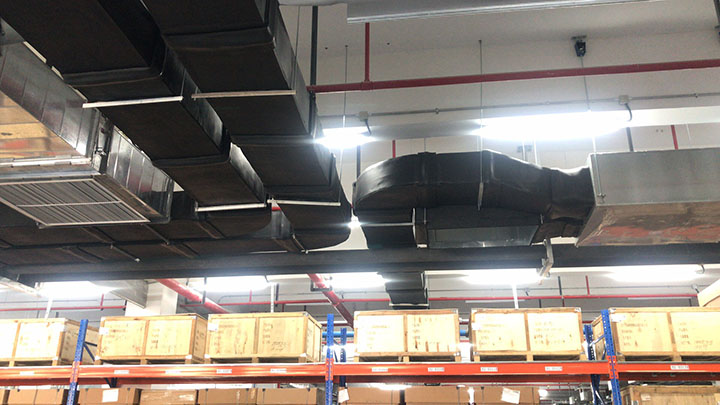
When installing central air conditioning in the factory, several key issues should be noted:
Ceiling Height: When installing central air conditioning, consider the ceiling height to ensure there is sufficient space for the indoor unit and pipes.
2. Pipe Cleaning: The refrigerant pipes should be free of dust and impurities to avoid affecting the cooling effect and increasing compressor wear.
3. Pipeline Leak: Ensure that refrigerant pipelines are leak-free, which is often due to inadequate welding techniques.
Outdoor Unit Space: Adequate space is required around the outdoor unit to ensure proper air circulation and prevent a decline in performance.
5. Electrical Connections: Proper connections of power and control wiring are essential to prevent damage to electrical components or system malfunctions.
6. Condensate Drainage System: Ensure sufficient condensate drainage capacity to prevent water leakage from indoor units and damage to indoor decoration.
7. Airflow Position Planning: The positioning of indoor unit intake and exhaust air outlets should be rationalized to ensure normal airflow and effective indoor temperature regulation.
Outdoor Unit Installation Location: The outdoor unit must be installed in an appropriate location to ensure proper ventilation and normal operation.
9. Indoor Unit Installation: The distance between the indoor unit and the ceiling must be no less than 1 cm to prevent resonance; the installation of the indoor unit should consider the slope for the ease of condensate draining.
Chiller Copper Pipe Installation: Welding points should be at the connection between the copper pipe and the branch pipe, avoiding direct welding of copper pipes; nitrogen must be filled during the welding process to maintain an air-free interior in the copper pipe; after welding, use high-pressure nitrogen to blow away debris to keep it clean.
11. System Stress Testing: Conducted stress tests using professional equipment to ensure no leaks in the system.
12. Testing and Debugging: Conduct testing and debugging after installation to ensure the system functions properly.
