
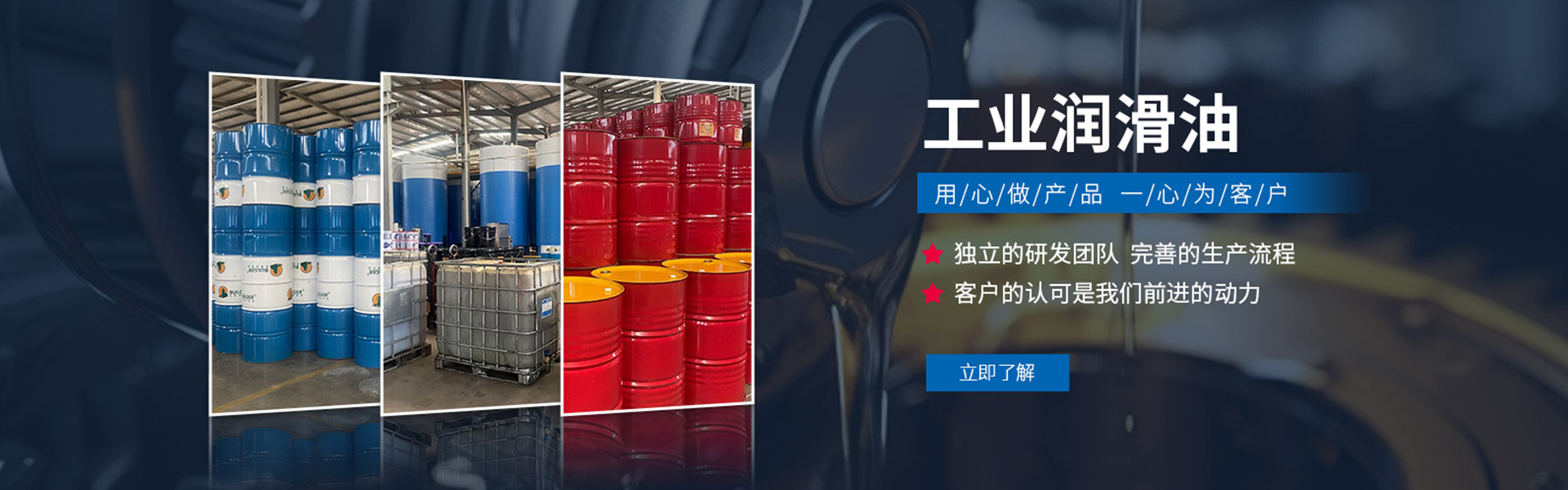
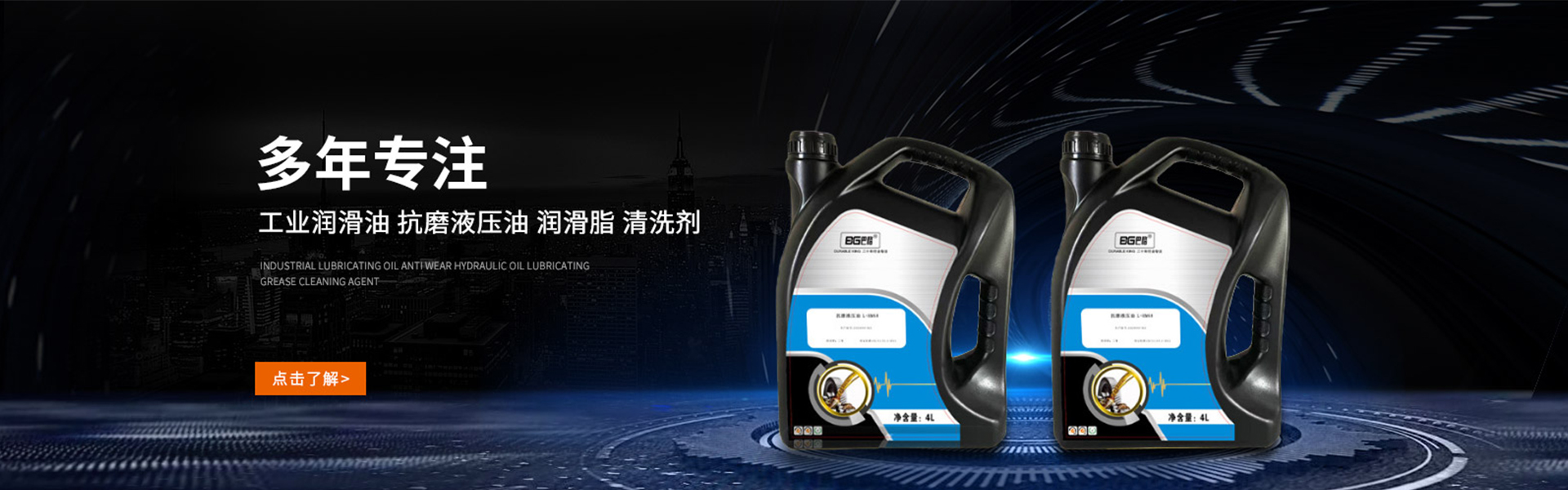
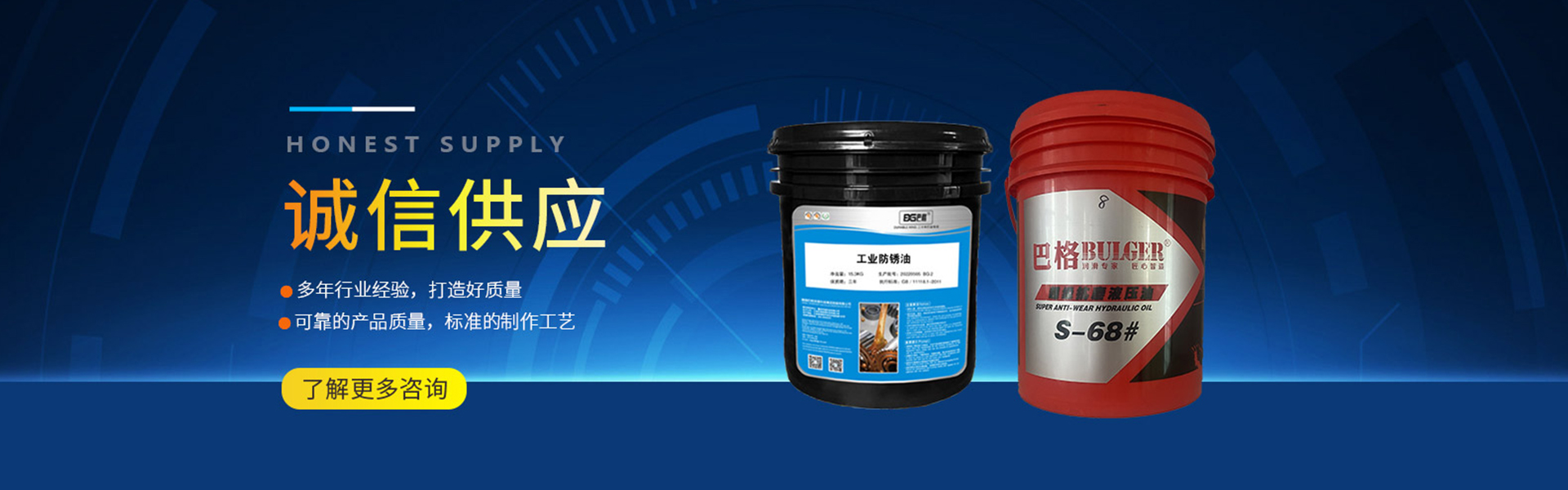




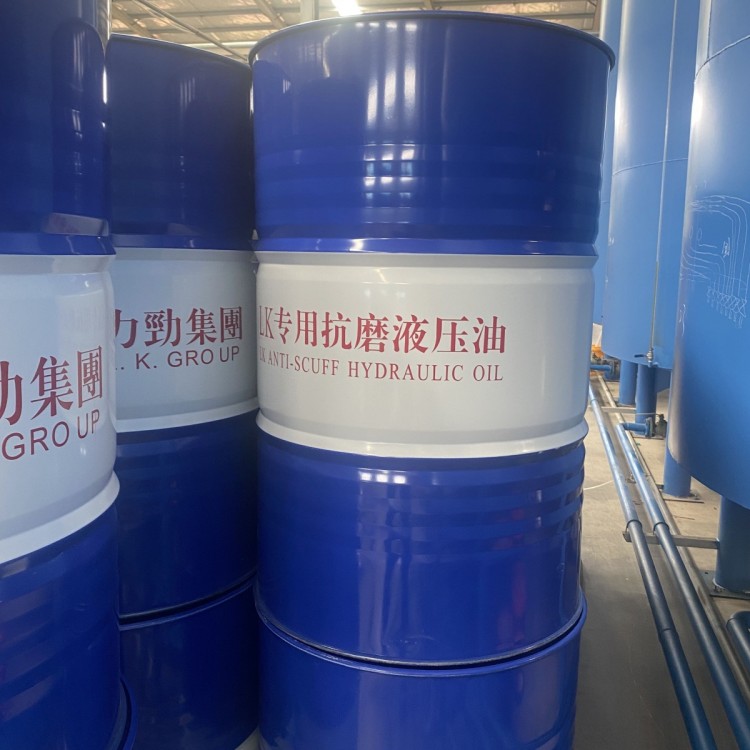

Company Main Products: Industrial lubricants, Industrial gear oil/synthetic gear oil, hydraulic oil/synthetic hydraulic oil, grease, high-temperature grease, bearing circulating oil, compressor oil, turbine oil, steam turbine oil, refrigeration oil, general machinery oil, electrical insulating oil, bar oil, textile machine oil, spark plug oil, quenching oil, rolling fluid, machine tool guide oil, thermal oil, rust preventive oil/liquid, cutting oil/coolant, molding oil, water-soluble cutting fluid, oil-based cutting oil, aqueous cleaning agent, diesel engine oil, automatic transmission fluid, brake fluid.
Basics of Industrial Lubricating Oils
There are lubricants based on base oils, including hydraulic oils, gear oils, turbine oils, compressor oils, refrigerating oils, transformer oils, vacuum pump oils, bearing oils, metalworking oils (liquids), rust-proofing lubricants, cylinder oils, heat treatment oils, and thermal conductive oils, among others. Additionally, lubricating greases with thickeners are also included. Industrial lubricants are used by enterprises across various industries, typically involving a wide variety of types and large quantities. The choice is not only based on product price but also on quality and technical characteristics, as well as the quality of technical services. Therefore, technical marketing of industrial lubricants is of utmost importance.
Configured machinery and equipment are relatively concentrated, and enterprises that use industrial lubricants. Therefore, targeted technical exchange events are more necessary. This is also the primary form of pre-sales technical service.


The function of lubricating oil is:
Reducing friction coefficient, 1 Reduce friction: Add lubricant to the friction surface. This reduces friction resistance and saves energy consumption.
2 Reduce Wear: Lubricants can reduce friction wear caused by abrasive wear, surface fatigue, adhesive wear, and other factors between friction surfaces.
Therefore, it can reduce the temperature rise caused by frictional heat. 3. Cooling action: The lubricant can absorb, transfer, and dissipate heat.
Dripping water, steam, corrosive gases and liquids, dust, and rust caused by oxides. 4 Rust Prevention: The presence of a lubricant on the friction surface can prevent rusting due to air.
Hydraulic drives, etc. 5 Power transmission: In many cases, lubricants serve the function of transmitting power.
Prevents moisture and impurities from intruding. 6 Sealing Function: The lubricant forms a seal on certain exposed components.
Absorbs impact energy, 7 shock-absorbing effect: under impact load, such as in car shock absorbers.
Filtered through the filter. 8 Purifying function: Contaminants can be carried away through the circulation of the lubricating oil.
To prevent contamination from the aforementioned substances, lubricants must be fortified with additives. These additives generally include:
To filter out or release with the oil change, one, detergents and dispersants: maintain non-soluble particles in suspension. This helps prevent sludge and carbon buildup in the engine.
Prevent acidity from corroding the metal surface and prevent rust during engine downtime. Two, Antioxidants: Maintain chemical stability with lubricating oil.
Prevent pilling and scratching; Three, other additives: Use lubricants to maintain lubrication on surfaces with high contact loads. Control foam and prevent air from remaining in the lubricant, etc.
