
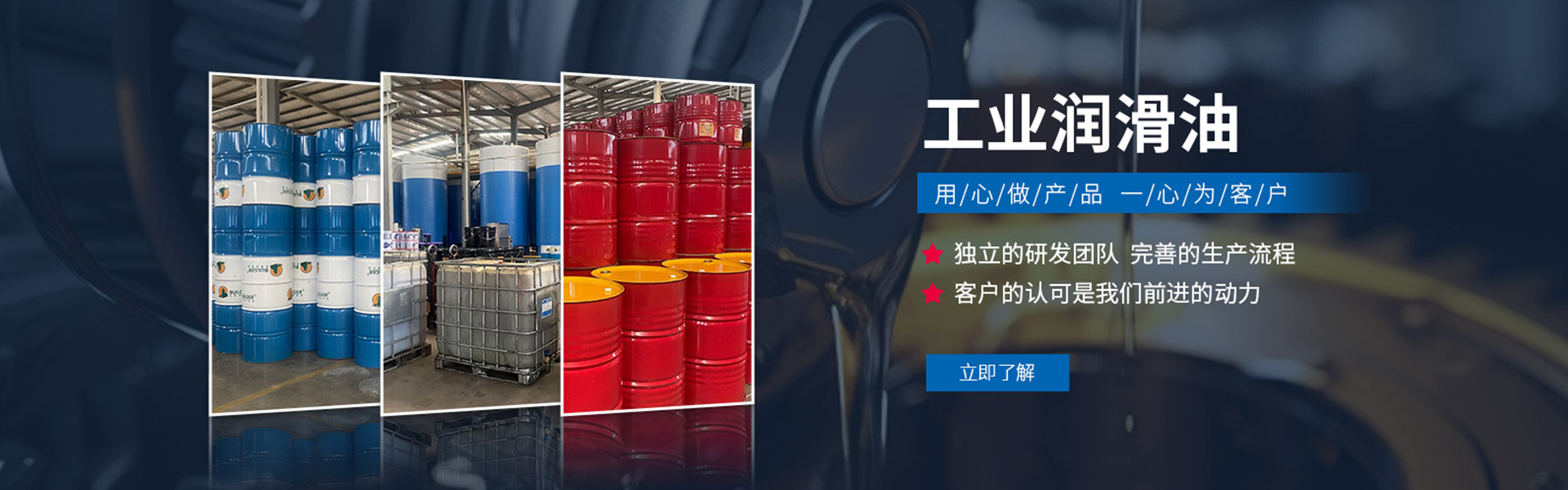



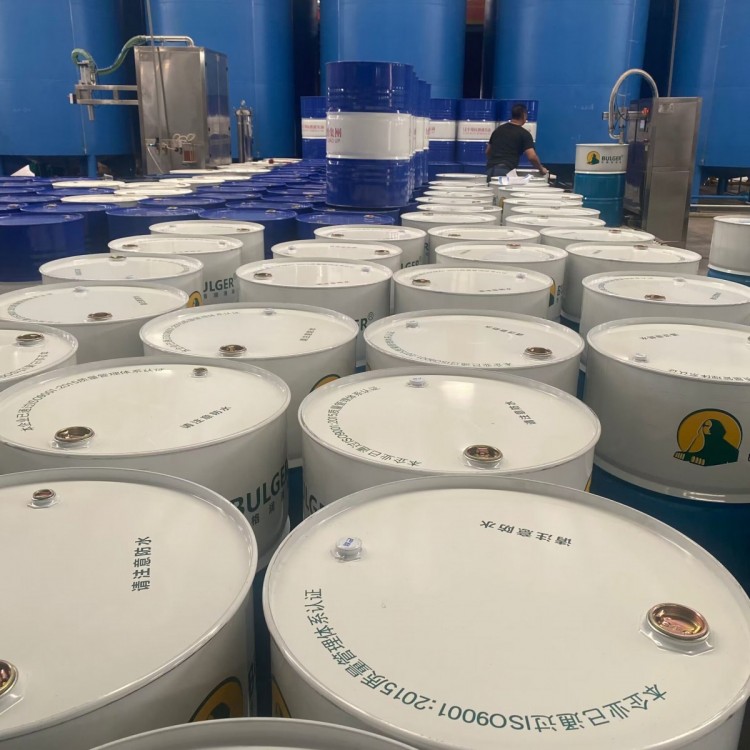
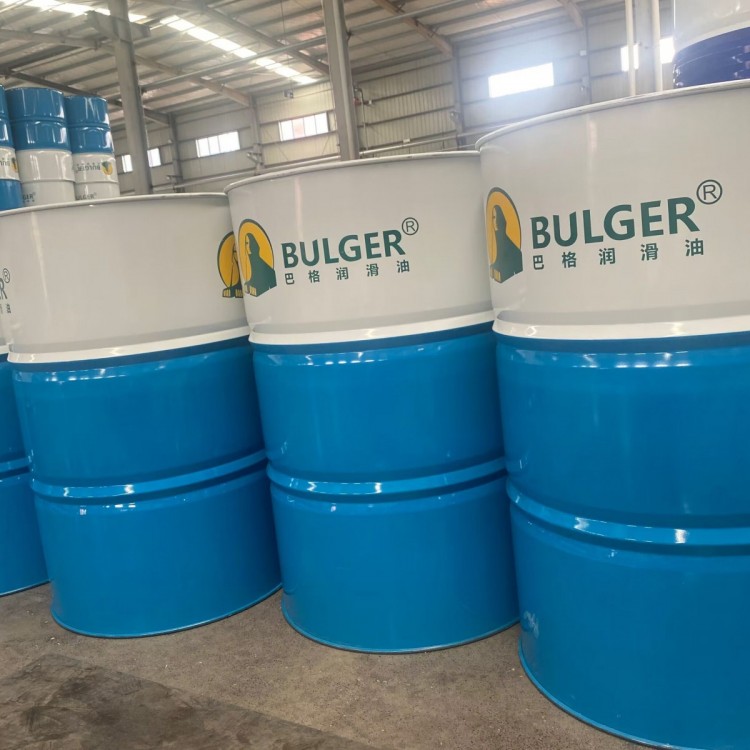
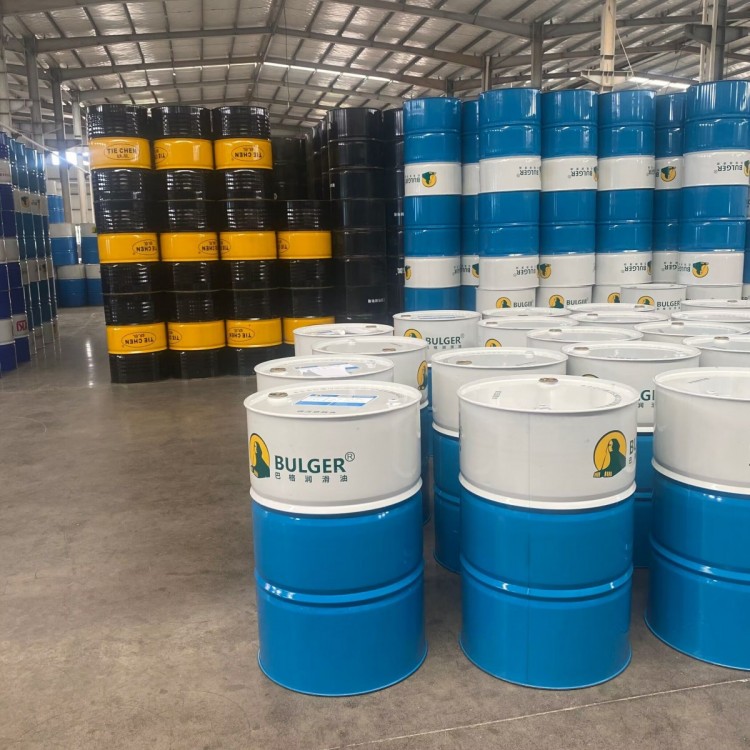
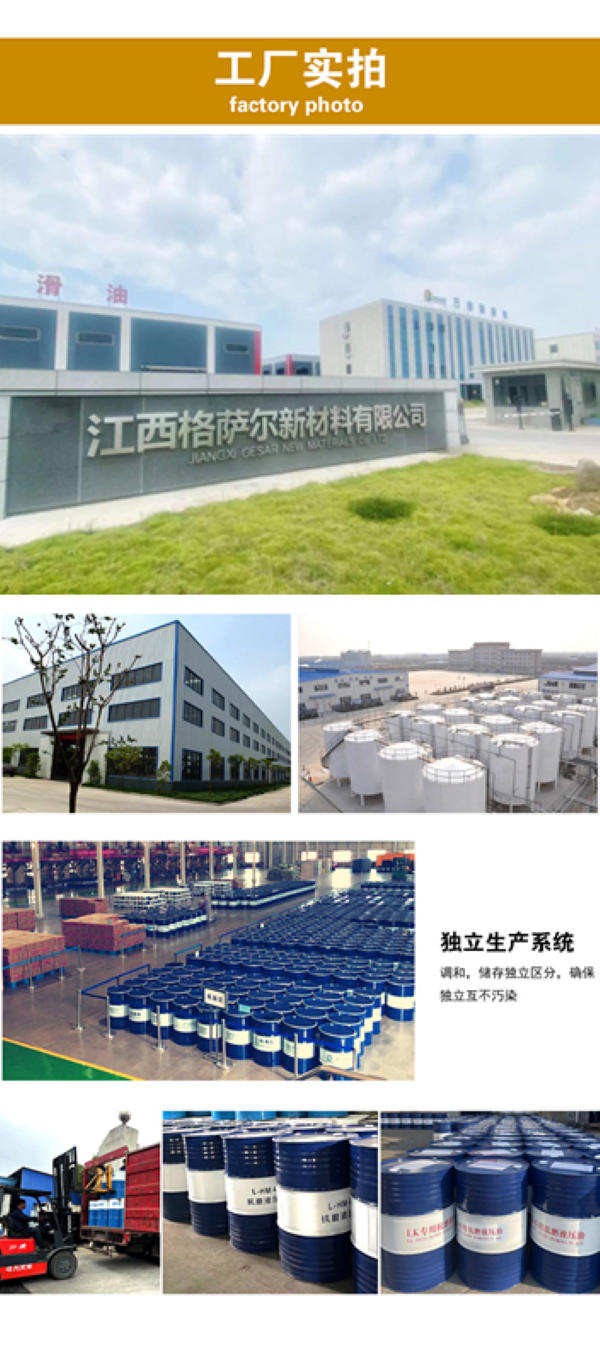
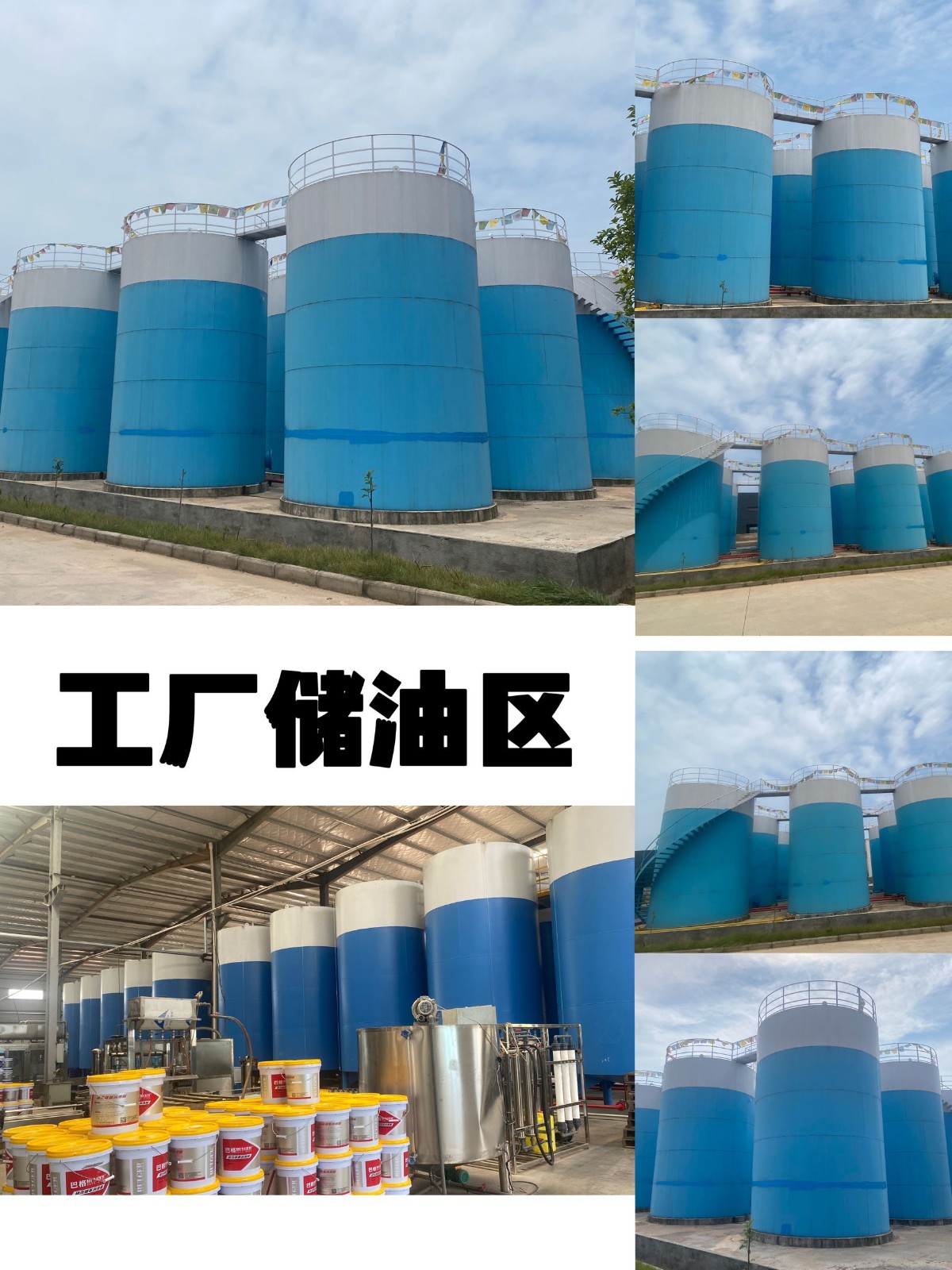
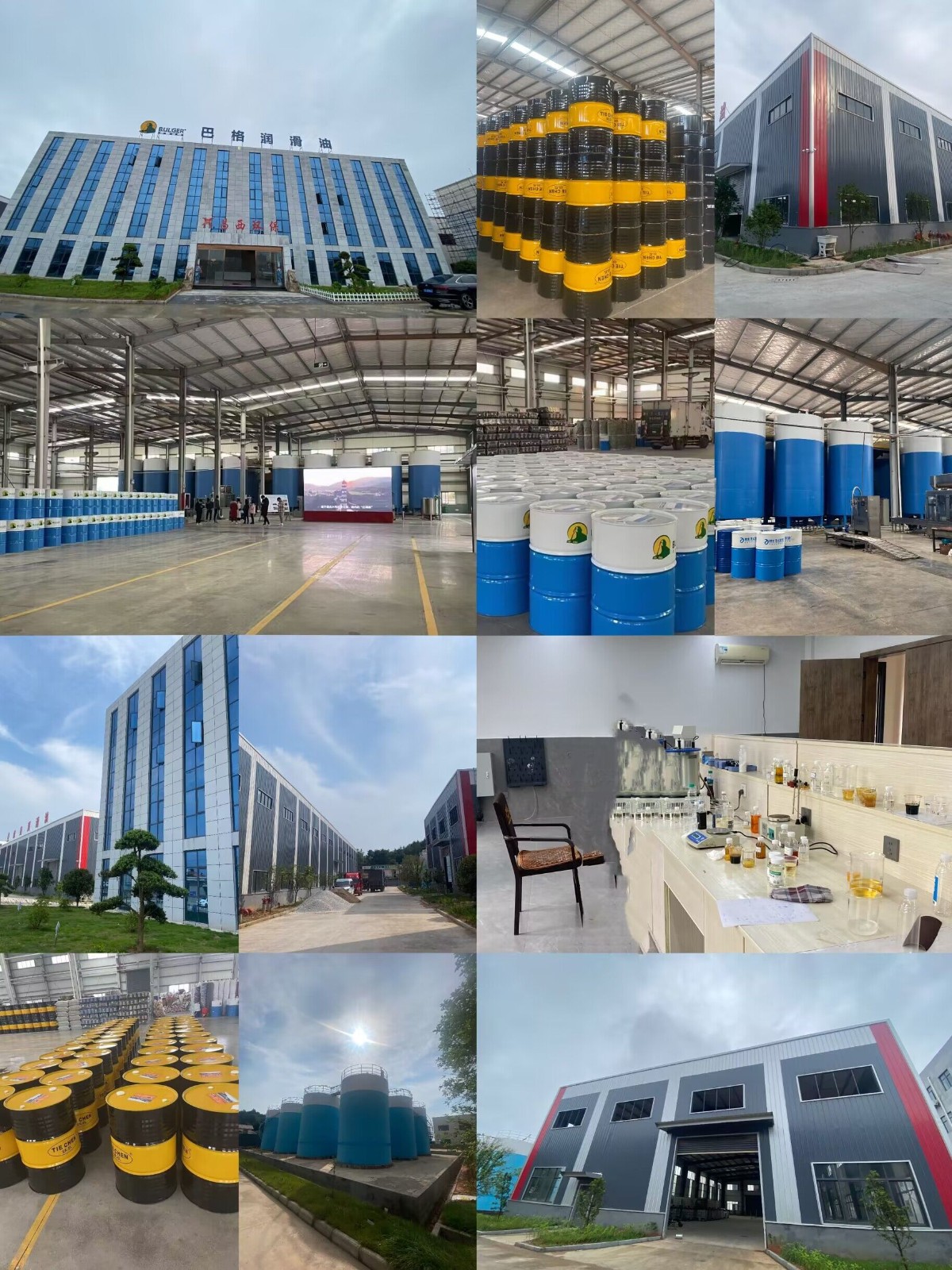
Headquarters: Bag Lube Technology Group Co., Ltd., Germany; Domestic Manufacturer: Jiangxi Bag Lube Technology Co., Ltd., Address: No. 169 South Ring City Road, Fengxin Economic Development Zone, Yichun City, Jiangxi Province; Affiliates include Chongqing Bag Technology Co., Ltd. and Jiangxi Gesar New Materials Co., Ltd.
The company initially established a laboratory in Shanghai, providing technical support to numerous lubricant suppliers. It then evolved from a single R&D model to a multi-faceted business model encompassing technology, production, and sales, with the laboratory as a robust support system. Gradually expanding its business scope, it founded Chongqing Bagu Technology Co., Ltd. in 2013, Jiangxi Bagu Lubrication Technology Co., Ltd. production base in 2016, and Jiangxi Gesar New Materials Co., Ltd. in 2020.
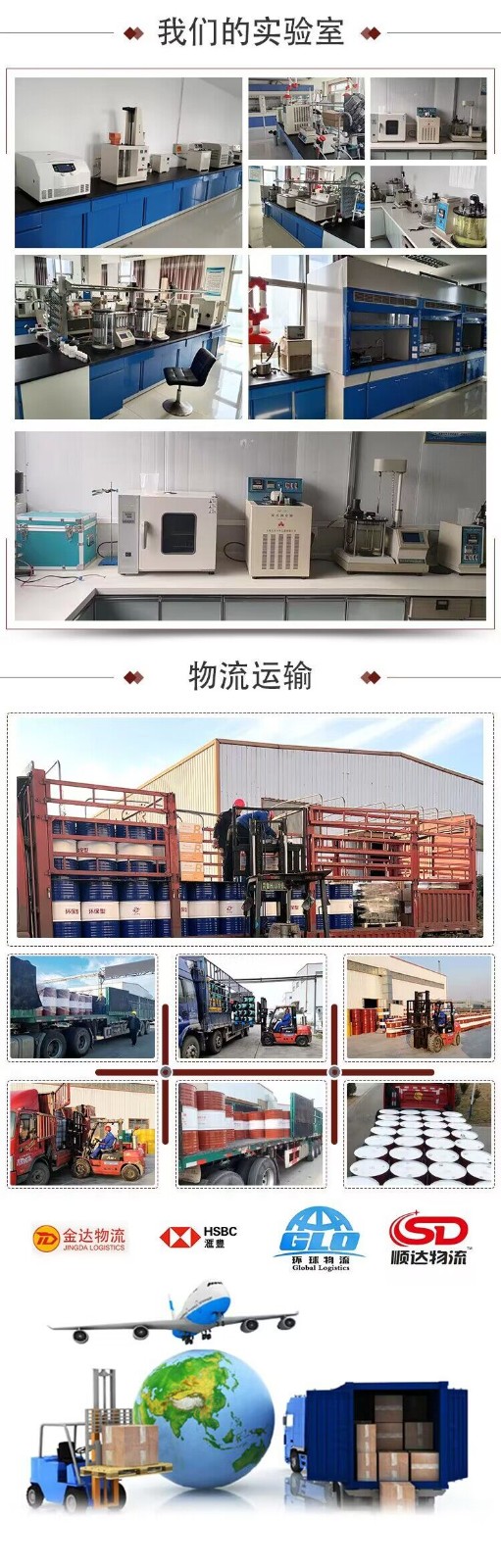
Jiangxi Bagu Lubrication Technology Co., Ltd. boasts an independent R&D team consisting of 1 postdoctoral fellow, 2 doctors, and 5 masters. We use additives and base oils from international brands like Chevron in the U.S. and GS in South Korea, developing specialized lubricants under the Bagu brand that meet various market demands. Since its inception, the company has focused on lubrication solutions for industrial manufacturing, on-site lubrication management, and full-factory lubrication contracting projects, growing rapidly as a high-tech enterprise. Additionally, we have a professional after-sales service team that adheres to the service philosophy of "caring for customer concerns before our own and for customer joys before our own." With professional skills and knowledge, we alleviate customer troubles and provide end-to-end service, ensuring customer protection at all times.
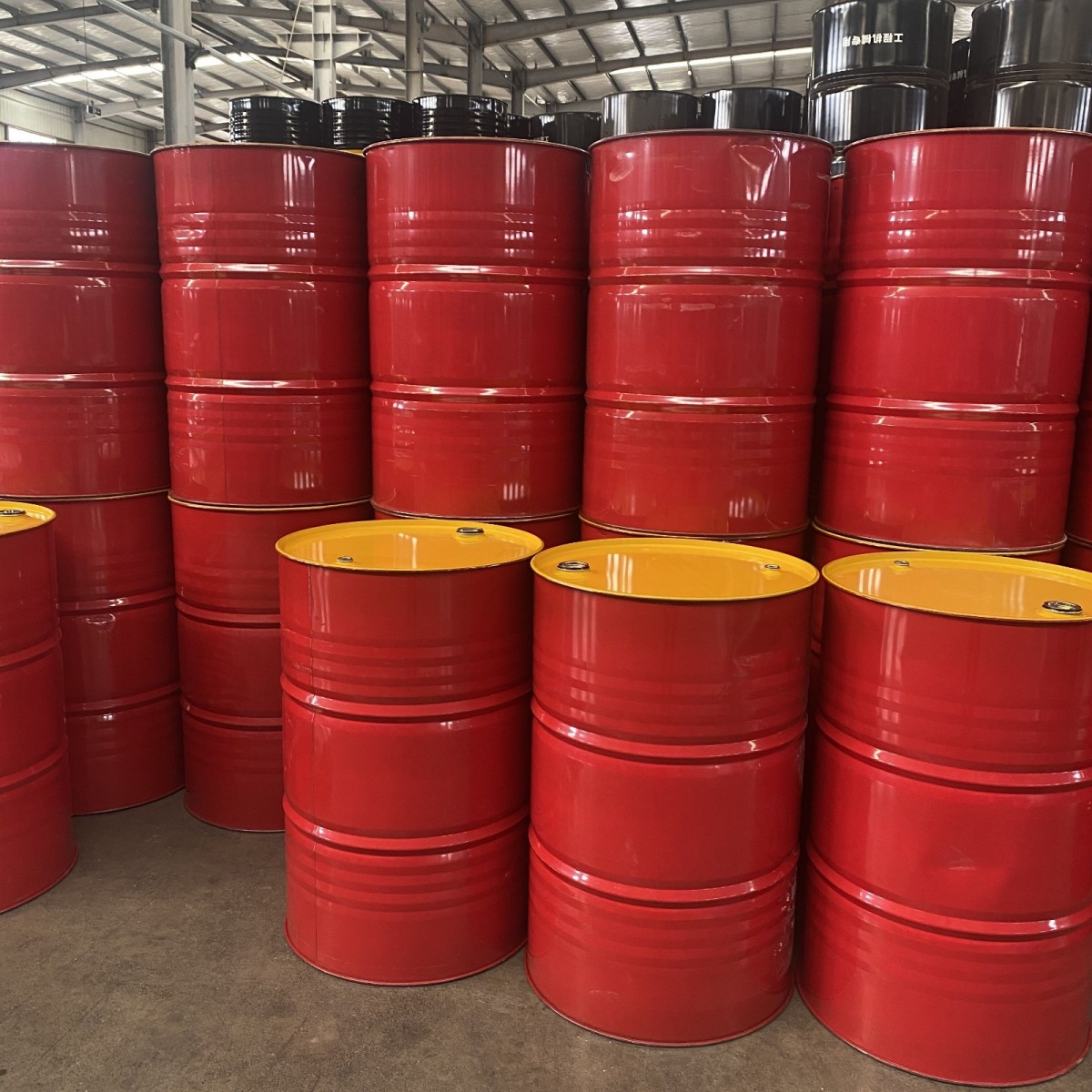
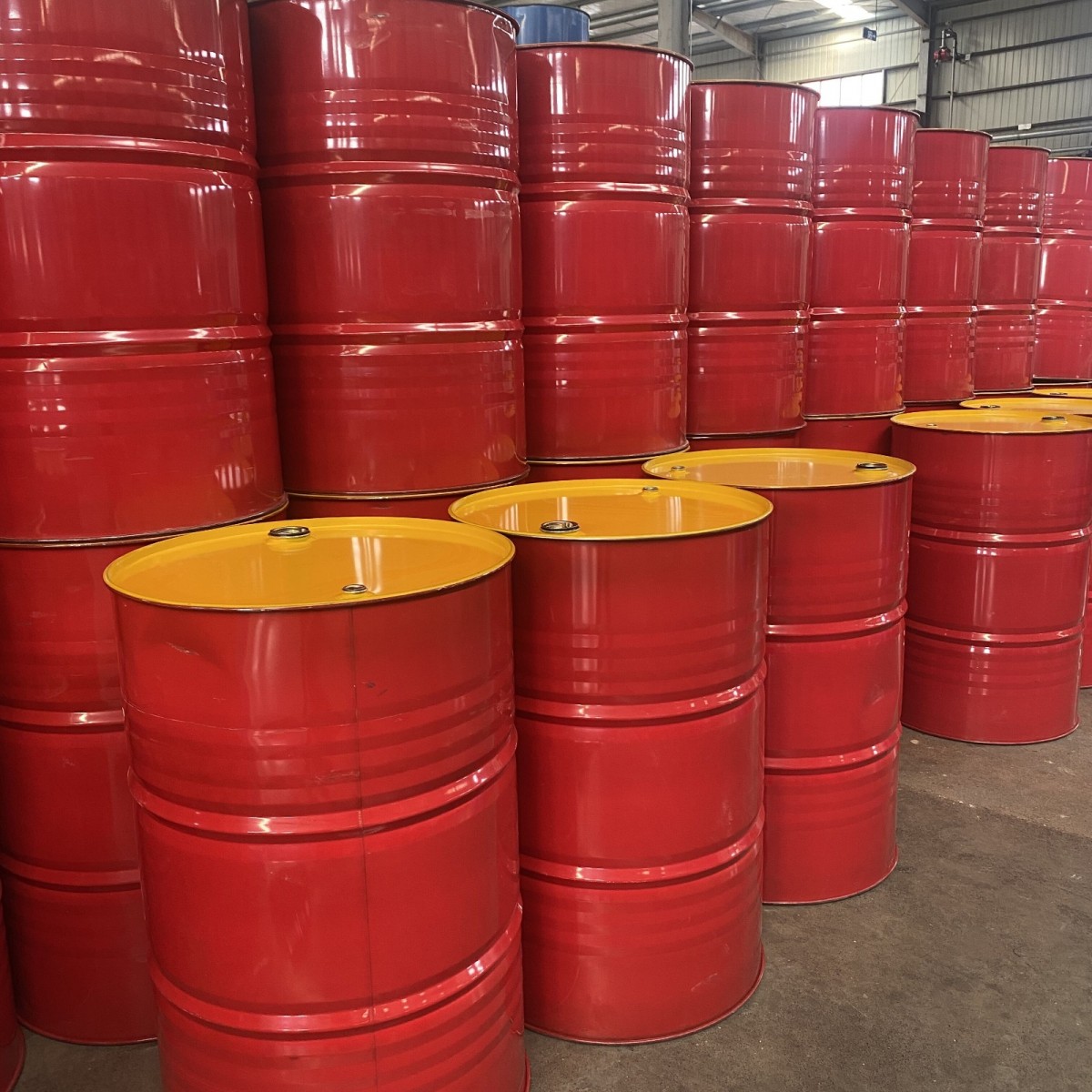
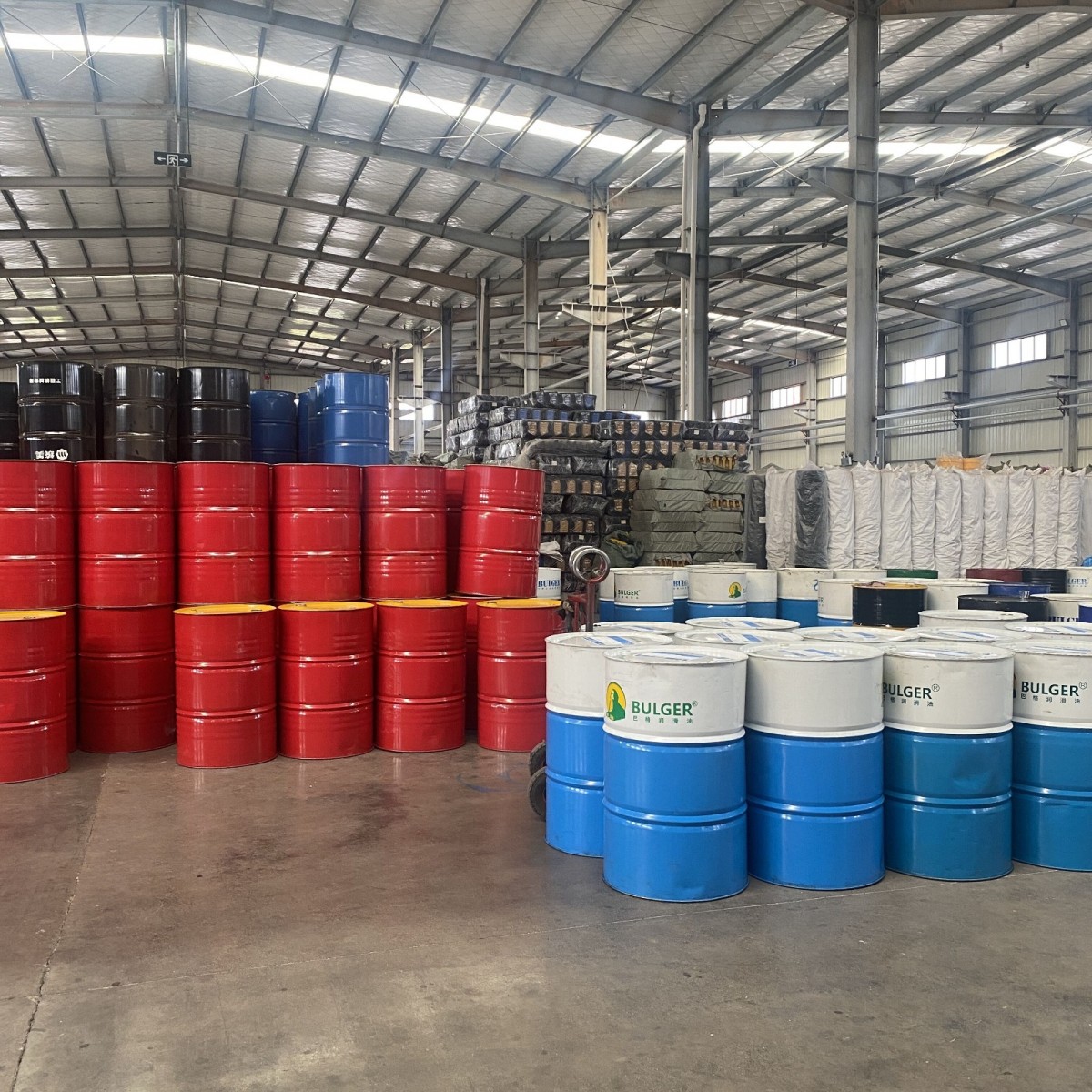
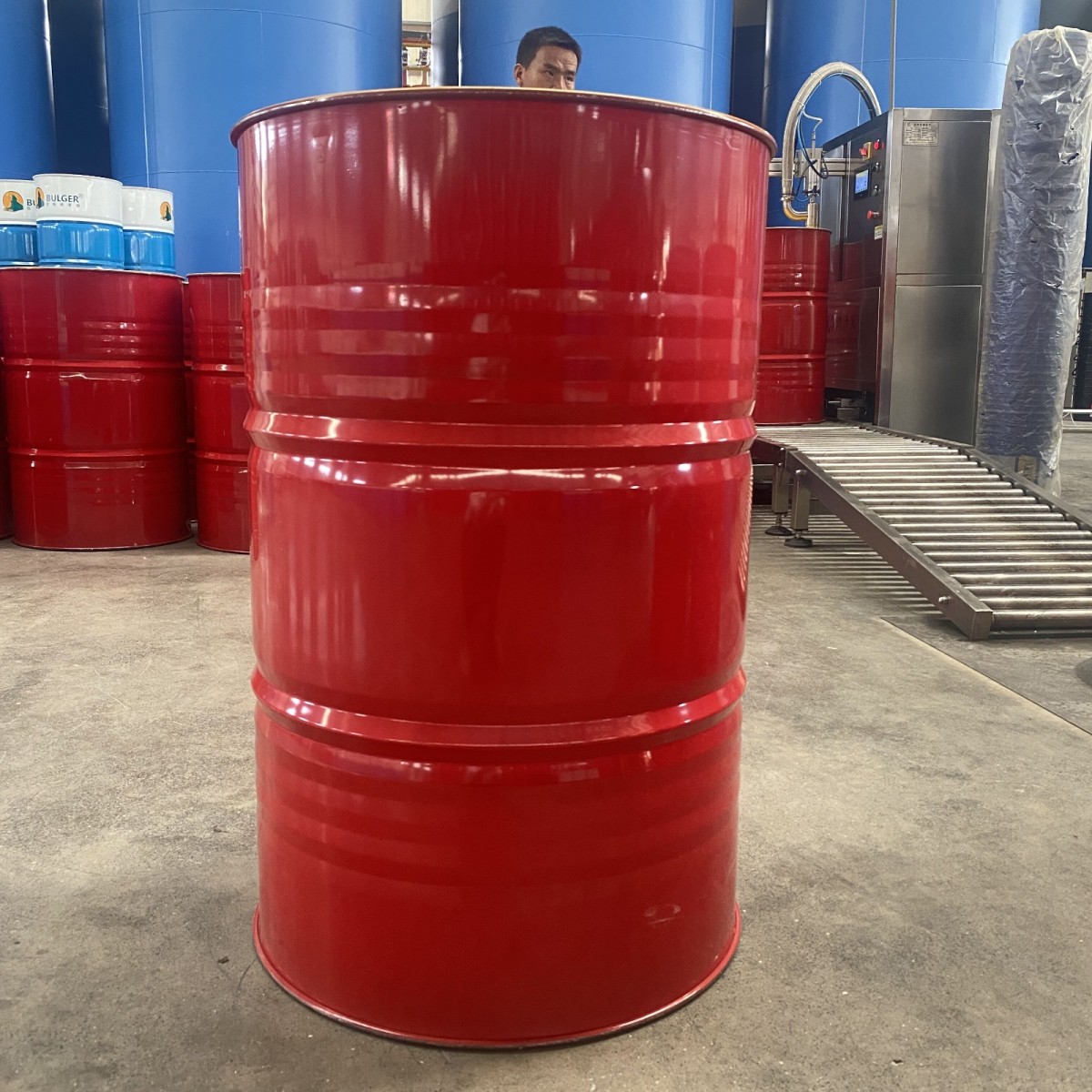
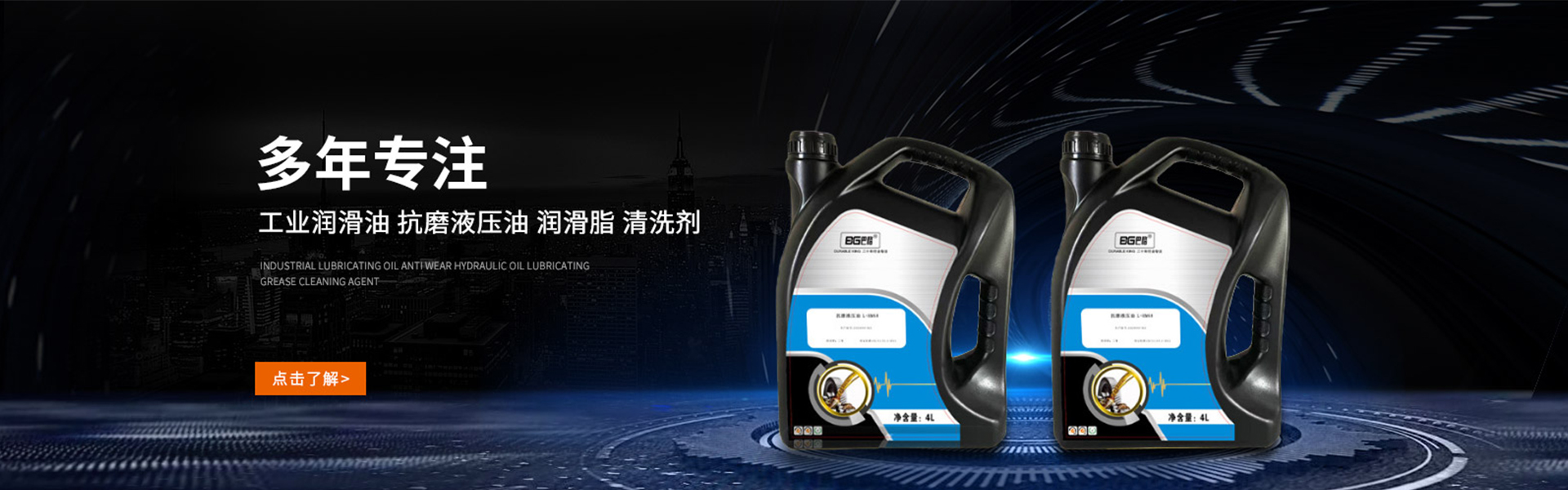
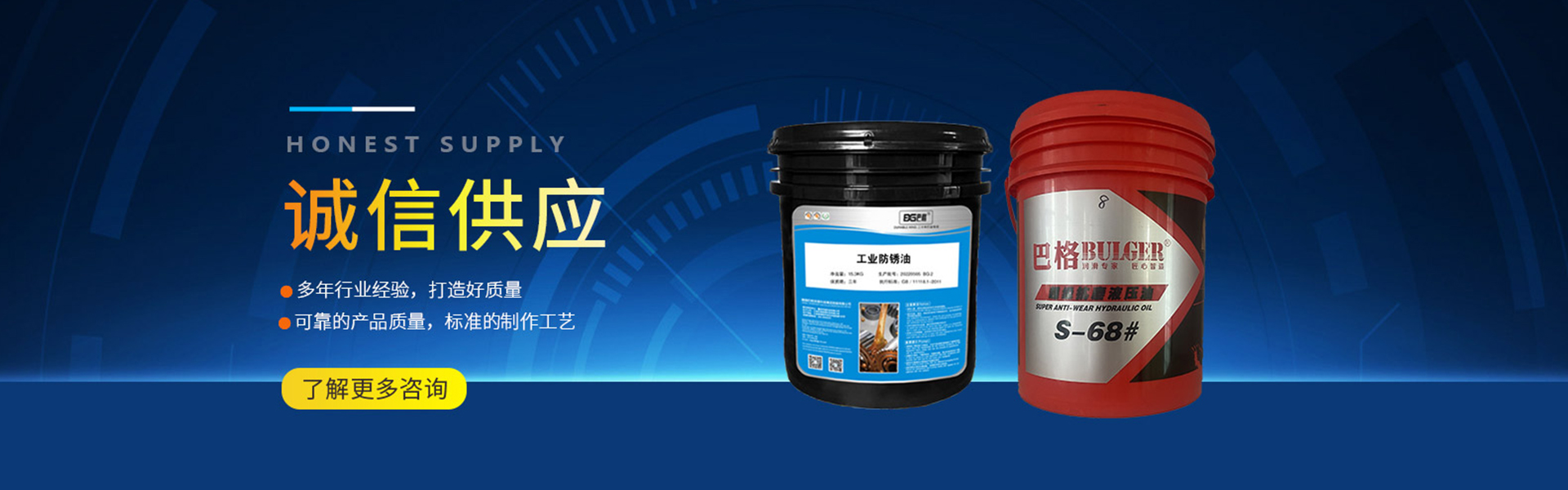
Anti-wear hydraulic oil
(1) Appropriate viscosity and good viscosity-temperature properties to ensure that hydraulic components receive adequate lubrication, cooling, and sealing under varying working pressures and temperatures.
(2) Excellent extreme pressure and wear resistance to ensure normal lubrication and minimize wear of friction pairs in oil pumps, hydraulic motors, control valves, and cylinders under high pressure and high-speed severe conditions.
(3) Excellent antioxidant stability, hydrolysis stability, and thermal stability to resist the effects or actions of factors such as air, moisture, high temperature, and high pressure, making it less prone to aging and deterioration, thereby extending its service life.
(4) Excellent anti-foaming properties and air release values ensure that foam generated under conditions of intense mechanical stirring during operation dissipates quickly; and that air mixed with oil is released in a shorter period of time, achieving accurate, sensitive, and stable transmission of static pressure.
(5) Excellent anti-foaming properties, capable of quickly separating from water mixed with oil to prevent the formation of emulsions, thereby avoiding metal corrosion in the hydraulic system and reducing performance.
(6) Excellent rust resistance to prevent corrosion of the metal surface.
Hydraulic Oil Precautions
(1) Maintain cleanliness of the hydraulic system by promptly removing sludge and metal shavings from the oil tank.
(2) Change the oil according to the oil change reference indicators. When changing the oil, clean all parts of the equipment to prevent impurities from mixing into the oil, which may affect its performance.
(3) During storage and use, containers and fueling tools must be clean to prevent contamination of the oil.
(4) This oil is primarily suitable for hydraulic pumps used in steel-to-steel friction pairs. When used in hydraulic pumps for friction pairs of other materials, it is mandatory to have the recommended pump load limits for suitability, as recommended by the pump manufacturer or the oil supply unit.
Product Advantages:
Excellent surface finish, even under challenging machining conditions, which extends the tool's service life.
2. Excellent lubricating performance, low foam content.
3. Suitable for mixed metal products, offering good economic value.
4. Excellent wettability reduces coolant carryover while maintaining cleanliness of machine tools and workpieces.
5. Exceptionally long lifespan.
6. Resolved the common "Monday odor" issue in aluminum processing cooling liquids.
7. Harmless to operators and environment.
8. Excellent corrosion resistance.
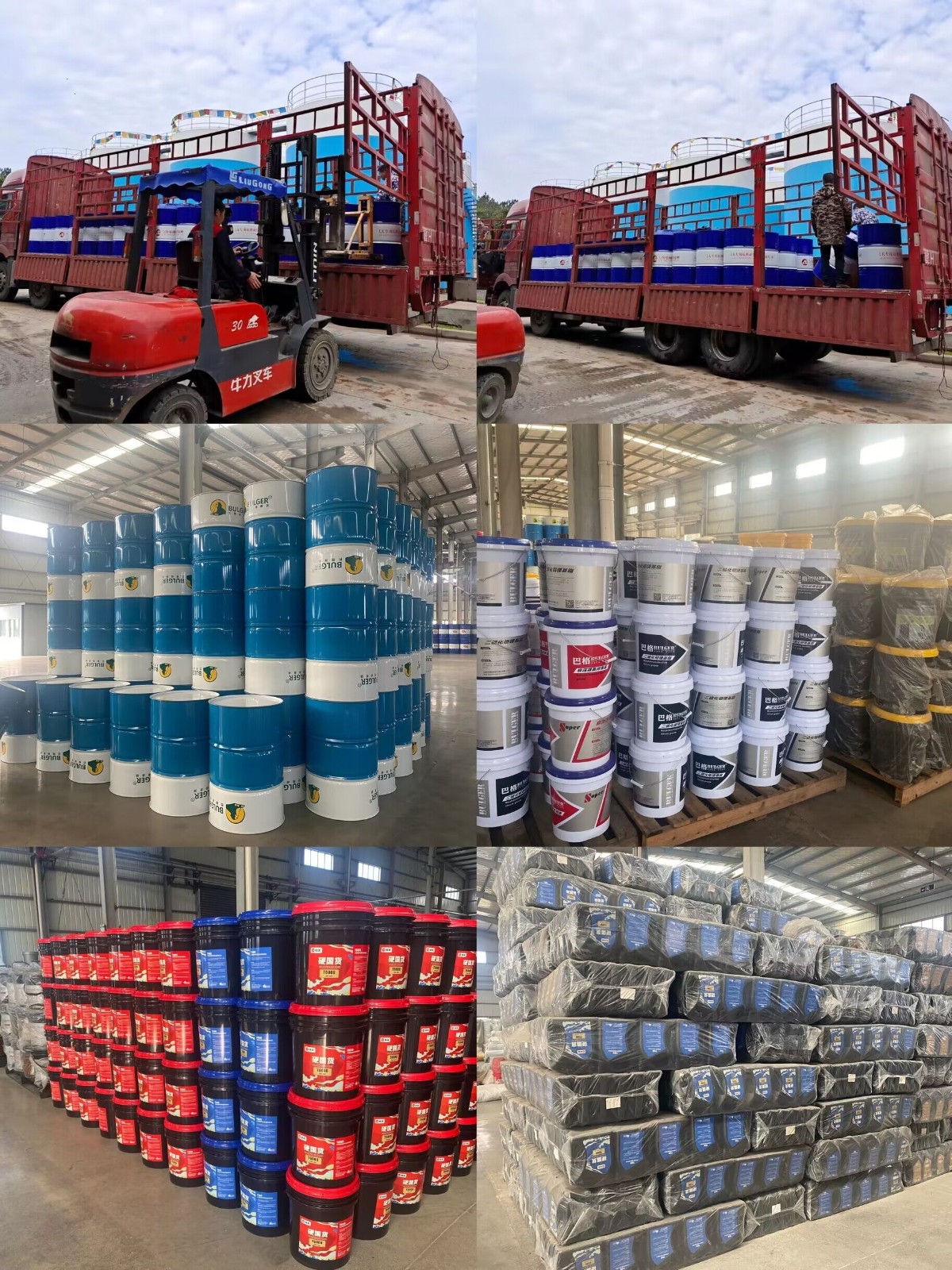
Company Main Products: Industrial lubricants, Industrial gear oil/synthetic gear oil, hydraulic oil/synthetic hydraulic oil, greases, high-temperature greases, bearing circulating oil, compressor oil, turbine oil, steam turbine oil, refrigeration oil, general machinery oil, electrical insulating oil, bar oil, textile machine oil, spark plug oil, quenching oil, rolling fluid, machine tool guide oil, thermal oil, rust preventive oil/liquid, cutting oil/liquid, molding oil, water-soluble cutting fluid, oil-based cutting oil, water-based cleaner, diesel oil, automatic transmission fluid, brake fluid.
The function of lubricating oil is:
Reducing friction coefficient, 1 Reduce friction: Add lubricant to the friction surface. This reduces friction resistance and saves energy consumption.
2 Reduce Wear: Lubricants can reduce friction wear caused by abrasive wear, surface fatigue, adhesive wear, and other factors between friction surfaces.
Therefore, it can reduce the temperature rise caused by frictional heat. 3. Cooling effect: The lubricant can absorb, transfer, and dissipate heat.
Droplets, steam, corrosive gases and liquids, dust, and rust caused by oxides. 4 Rust Prevention: The presence of a lubricant on the friction surface can prevent rust due to air.
Hydraulic transmission, etc. 5 Power Transmission: In many cases, lubricants serve the function of power transmission.
Prevents moisture and impurities from penetrating. 6 Sealing Function: The lubricant forms a seal on certain exposed components.
Absorbs impact energy, 7 shock-absorbing effect: when subjected to impact loads, such as in car shock absorbers.
Filtered through the filter. 8 Purifying Function: Contaminants are carried away through the circulation of the lubricating oil.
To prevent contamination by the aforementioned substances, lubricants must be added with additives. Common additives include:
To allow lubricating oil to filter out or be drained with it during oil change, 1. Detergents and dispersants: Maintain the suspension of non-adsorbent substances. This helps prevent the accumulation of sludge and carbon deposits within the engine.
Prevent acidic corrosion of the metal surface and the formation of rust during engine downtime. Two, Antioxidants: Maintain chemical stability with lubricating oil.
Prevent pilling and scratching; Three, other additives: Utilize lubricants to maintain lubrication on surfaces with high contact loads. Control foam and prevent air from remaining in the lubricant, etc.
