





Metalworking is a crucial component in industrial production, as nearly all machinery and equipment require metalworking parts. Metalworking oil, commonly known as cutting oil, is an essential auxiliary oil product in metalworking. So, what are the functions of cutting oil?
Appropriate metal cutting oils can reduce the temperature during cutting, decrease the surface roughness of the workpiece, minimize cutting resistance, and greatly extend the lifespan of tools and abrasives. They also help to flush away iron shavings and dust from the cutting area, thereby enhancing production efficiency and product quality. Therefore, they are widely used in mechanical processing. In summary, cutting oils primarily serve cooling, lubricating, cleaning, and rust prevention functions, making them an indispensable auxiliary product in the metal processing industry.
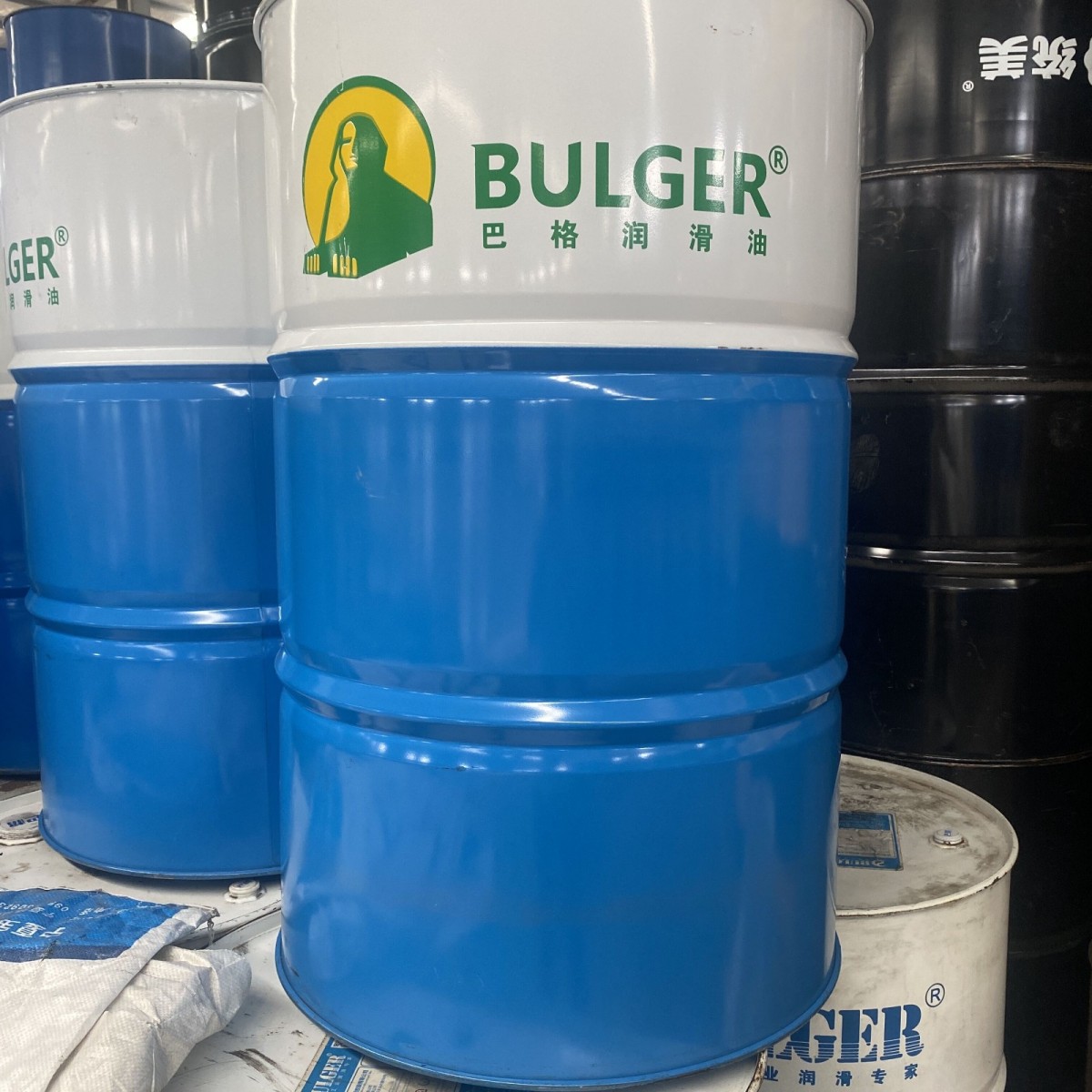


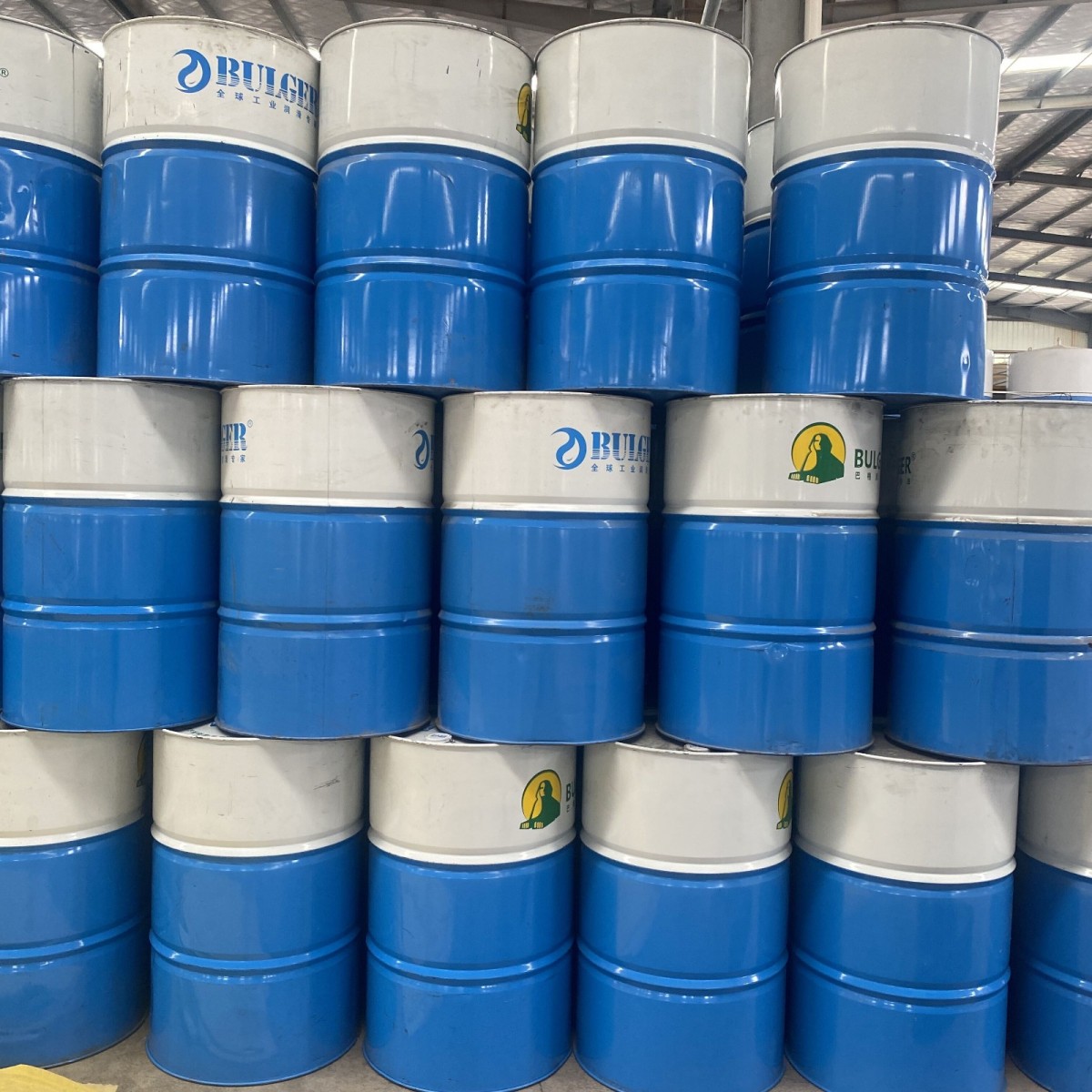
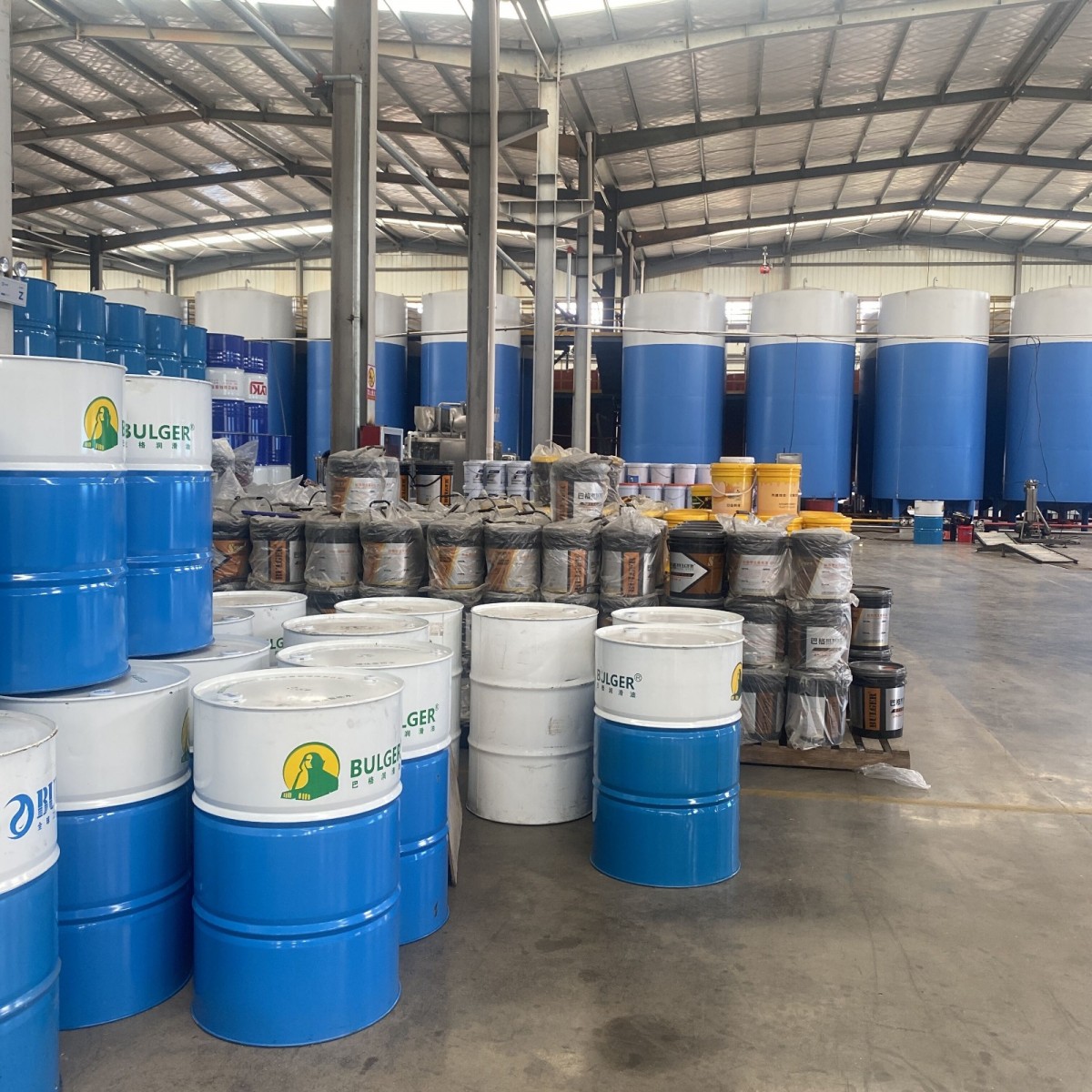
Basics of Industrial Lubricating Oils
Lubricants are based on base oils, with industrial lubricants including hydraulic oils, gear oils, turbine oils, compressor oils, refrigeration oils, transformer oils, vacuum pump oils, bearing oils, metalworking oils (liquids), rust-proofing greases, cylinder oils, heat treatment oils, and thermal oils, among others. Additionally, lubricating greases containing thickeners are also used. Industrial lubricants are utilized by businesses across various industries, typically involving a wide variety of types and large quantities. The choice is not solely based on product price, but also on quality and technical characteristics, as well as the quality of technical services. Therefore, technical marketing of industrial lubricants is of greater importance.
Mechanical and equipment configurations are relatively concentrated among industrial lubricant users. Therefore, targeted technical exchange events are more necessary. This is also the primary form of pre-sales technical service.
Hydraulic oil, as an energy transmission medium in hydraulic transmission systems, transmits power, reduces friction, prevents wear on surfaces, suspends pollutants, controls component oxidation, and has a cooling effect. Different hydraulic systems have various types of structures and operating conditions. To meet the requirements of various systems, hydraulic oil must possess certain properties, such as viscosity, viscosity index, relative density, wear resistance, low-temperature performance, acid value, flash point, oxidation stability, emulsification resistance, hydrolysis stability, foaming tendency, air release, shear stability, rust prevention, and filterability. According to GB11118.1-94, hydraulic oil is categorized by composition and application into the following types, each with different viscosity grades.
