



Vacuum equipment manufacturers typically require users to add genuine vacuum pump oil during the operation of vacuum pumps and to replace the oil regularly. What are the functions of vacuum pump oil, and how should one choose the appropriate vacuum pump-specific oil?
The functions of mechanical vacuum pump oil include: 1. Sealing the exhaust valve with vacuum pump oil prevents air from returning into the pump through the exhaust valve, ensuring the airtightness of the exhaust valve. 2. It penetrates through the oil path, exhaust valve, and assembly gaps to lubricate, seal, and cool various moving parts of the pump, such as rotors, vanes, bearings, shaft seals, and friction surfaces. 3. Reduces the high-pressure residual gases, thereby significantly minimizing the impact of harmful space on the ultimate vacuum. 4. Facilitates the smooth discharge of the pumped gas.
The vacuum pump oil purchased must have a certain viscosity and exhibit minimal change with temperature variations to ensure effective sealing. Insufficient viscosity leads to poor sealing performance, while excessive viscosity makes it difficult for the pump oil to enter the gaps between the rubbing surfaces, diminishing its lubricating effect. Additionally, this can cause the rotor to rotate with difficulty, increasing power consumption and causing the pump oil to overheat. As the oil's viscosity decreases with rising temperature, its sealing ability worsens, the saturated vapor pressure increases, and the vacuum level decreases. Therefore, it is specified that the working temperature of the vacuum pump oil must not exceed 70 degrees Celsius. Moreover, the vacuum pump oil must also possess a high flash point and stable performance.
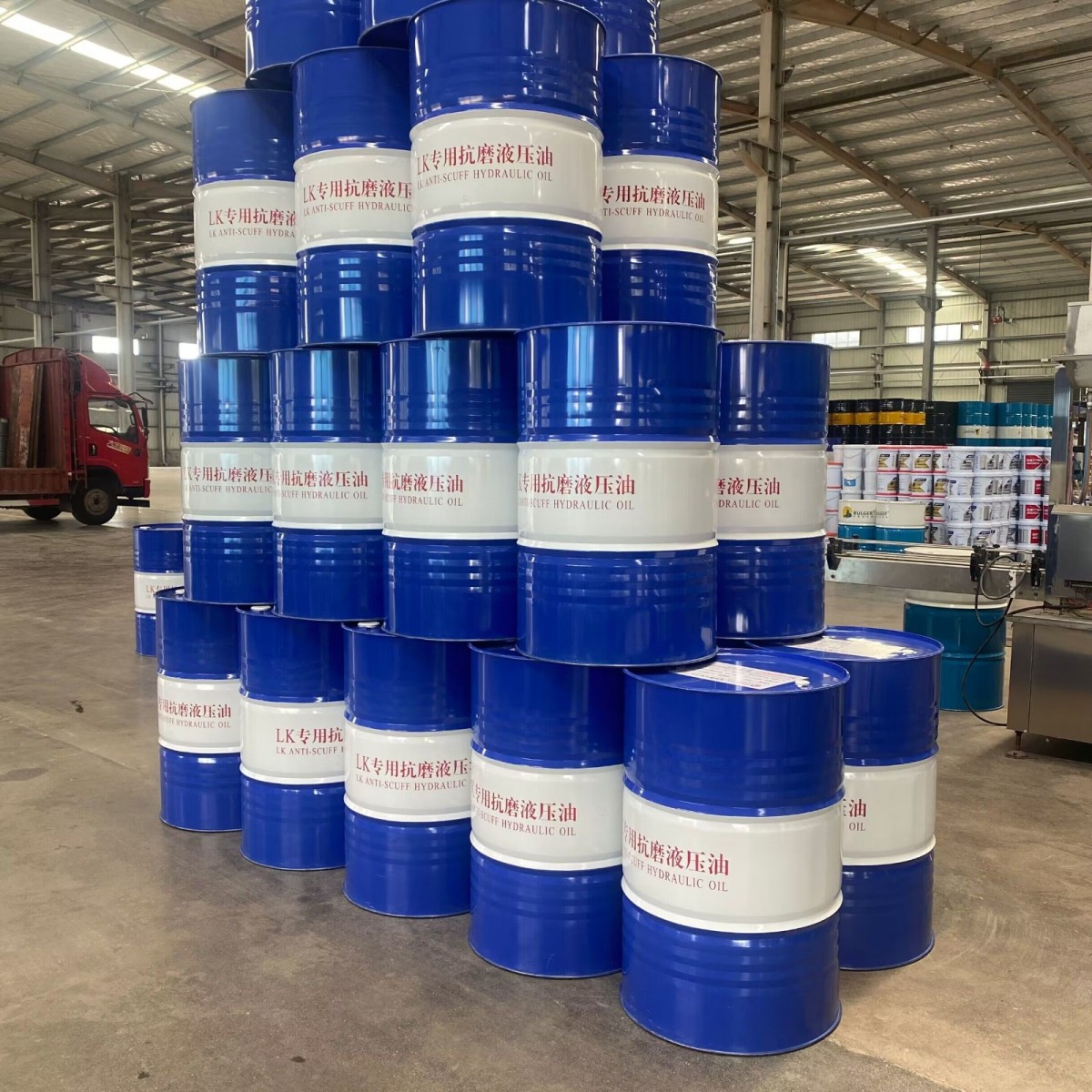

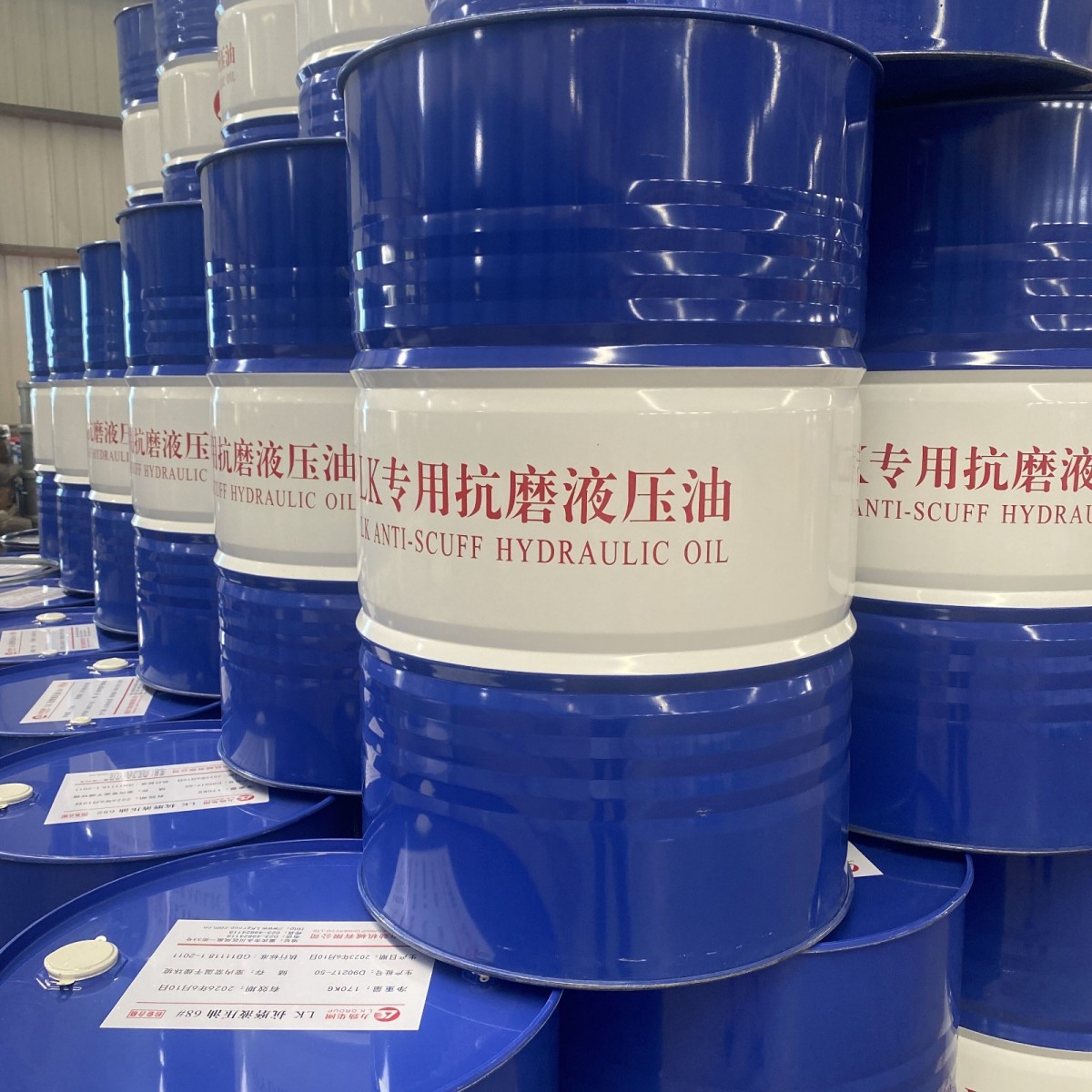
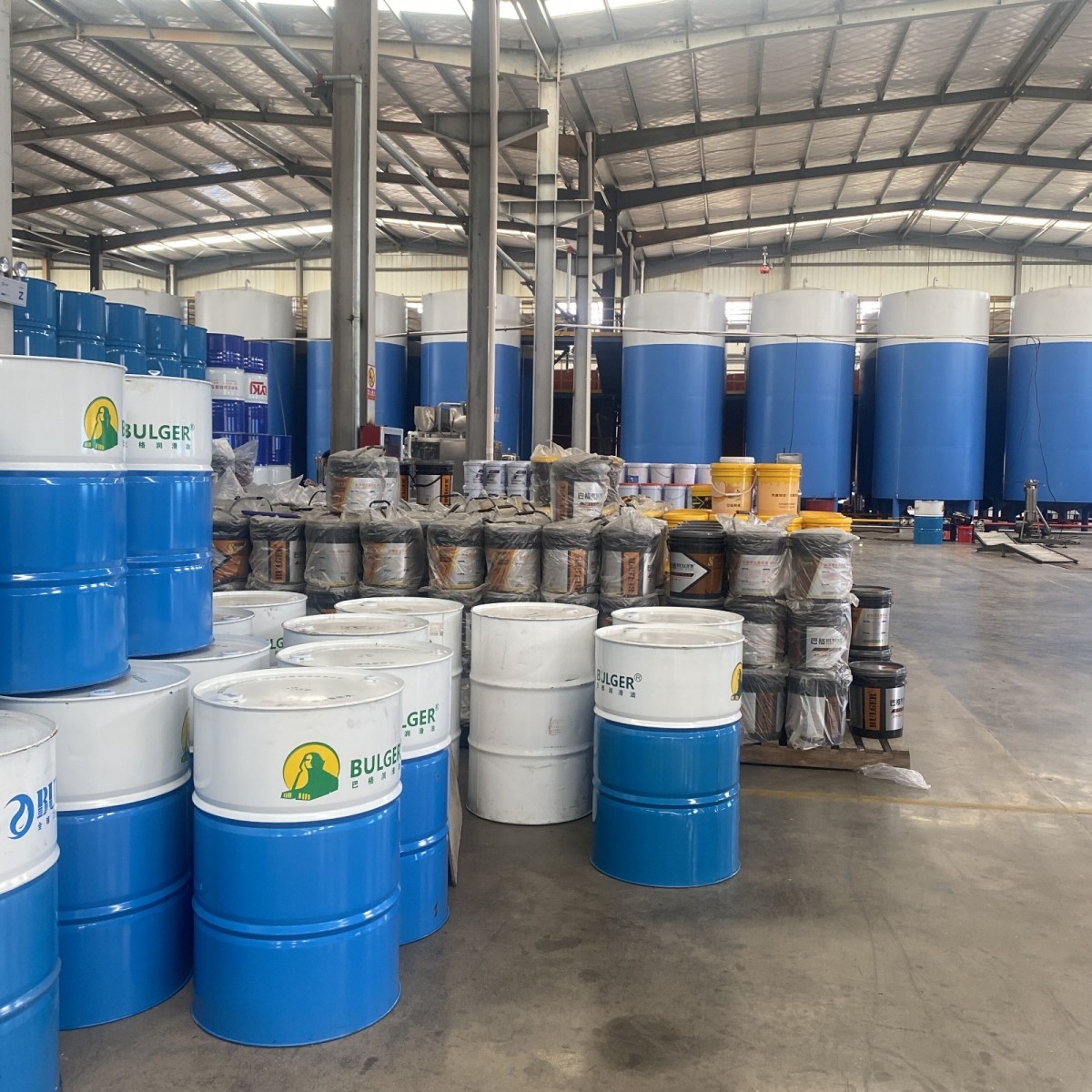

Performance Features
Extend Hydraulic Oil Life Span – Save Maintenance Costs
M Hydraulic Oil prevents equipment failure caused by high temperatures and chemical reactions, thus aiding in extending the maintenance intervals. It significantly reduces the formation of sludge. This product demonstrates superior performance in the industrial standard 943 TOST test (Turbine Oil Oxidation Stability Test), providing enhanced stability and system cleanliness.
Additionally, under humid conditions, hydraulic oil maintains excellent stability, extending the working life of the hydraulic oil and reducing the risk of corrosion and rust.
2. Abrasion Resistance
Hydraulic oil incorporates high-quality anti-wear additives, ensuring efficiency under various operating conditions, including low and extreme high load conditions. In tests with various types of piston and vane pumps, including the stringent Denison T6C test (both dry and wet environments) and the rigorous Vickers 35VQ25 test, M hydraulic oil demonstrated exceptional performance, validating that the product can help extend the lifespan of system components.
Maintain system efficiency
Excellent cleanliness, filtration, and superior drainage, air release, and anti-foaming properties all contribute to maintaining or enhancing the efficiency of hydraulic systems.
The additives used, combined with excellent cleanliness (the finished products meet and even exceed the ISO 4406 21/19/16 classification requirements, passing the DIN 51524 standard), help reduce the impact of pollutants on filter clogging. This not only extends the lifespan of the filter cores but also allows for the use of more precise filters, enhancing equipment protection.
