
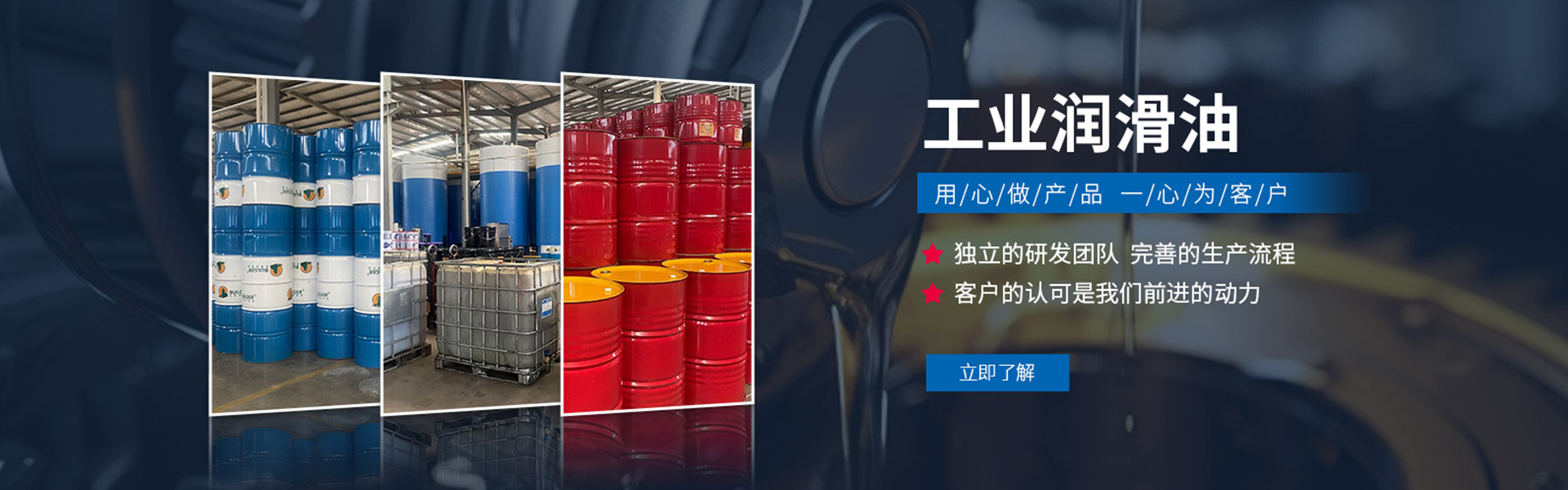
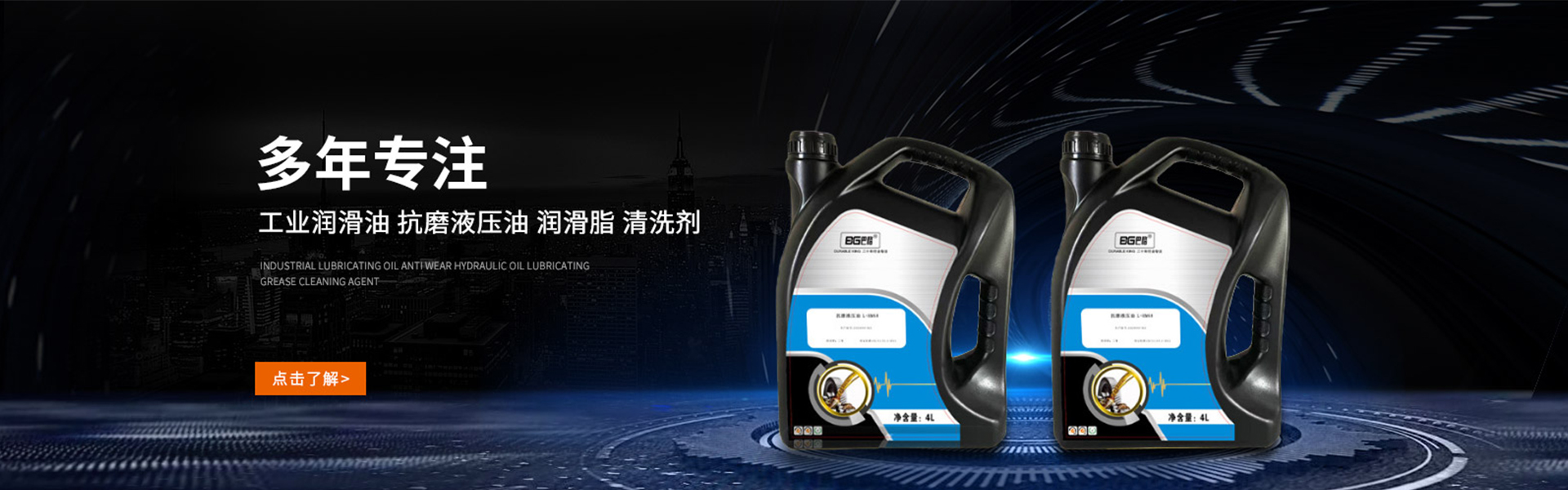


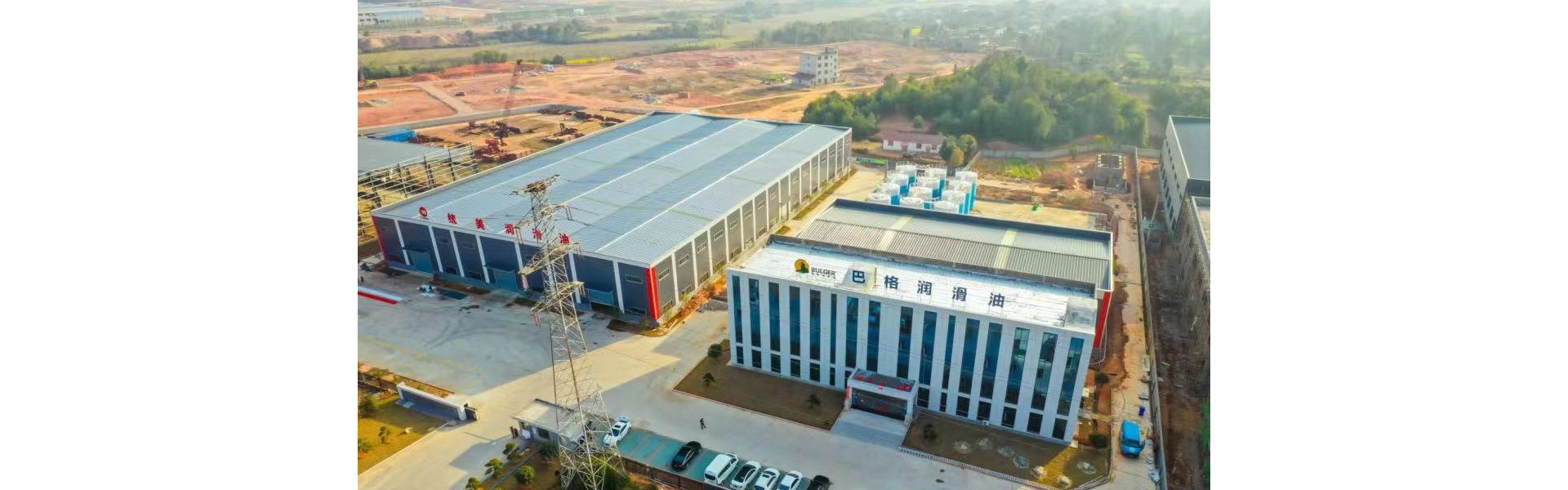

Hydraulic oil, as a lubricant in hydraulic systems, plays an irreplaceable role in both lubrication and rust prevention. Moreover, due to its susceptibility to contamination, it is essential to analyze the sources of pollution and take appropriate measures.
One of the causes of hydraulic oil contamination is the mixing of other oils, which alters the chemical composition of the hydraulic oil, changing its viscosity and affecting system efficiency; the second cause is the contamination by mechanical impurities, which is a more harmful type of contamination, as hydraulic oil pollution is typically referred to as particle contamination; the third cause is air contamination, which accelerates the oxidation of hydraulic oil, leading to noise in the hydraulic system; the fourth cause is the contamination by high-temperature oxides, as hydraulic oil produces oxides at high temperatures, clogging components and affecting normal system operation; the fifth cause is water contamination, where moisture from the air mixes with the oil, causing cavitation in the hydraulic oil at high temperatures, which then cools and forms water droplets that corrode metal. When temperatures drop below 0°C, they often freeze, subsequently blocking the oil pathways.


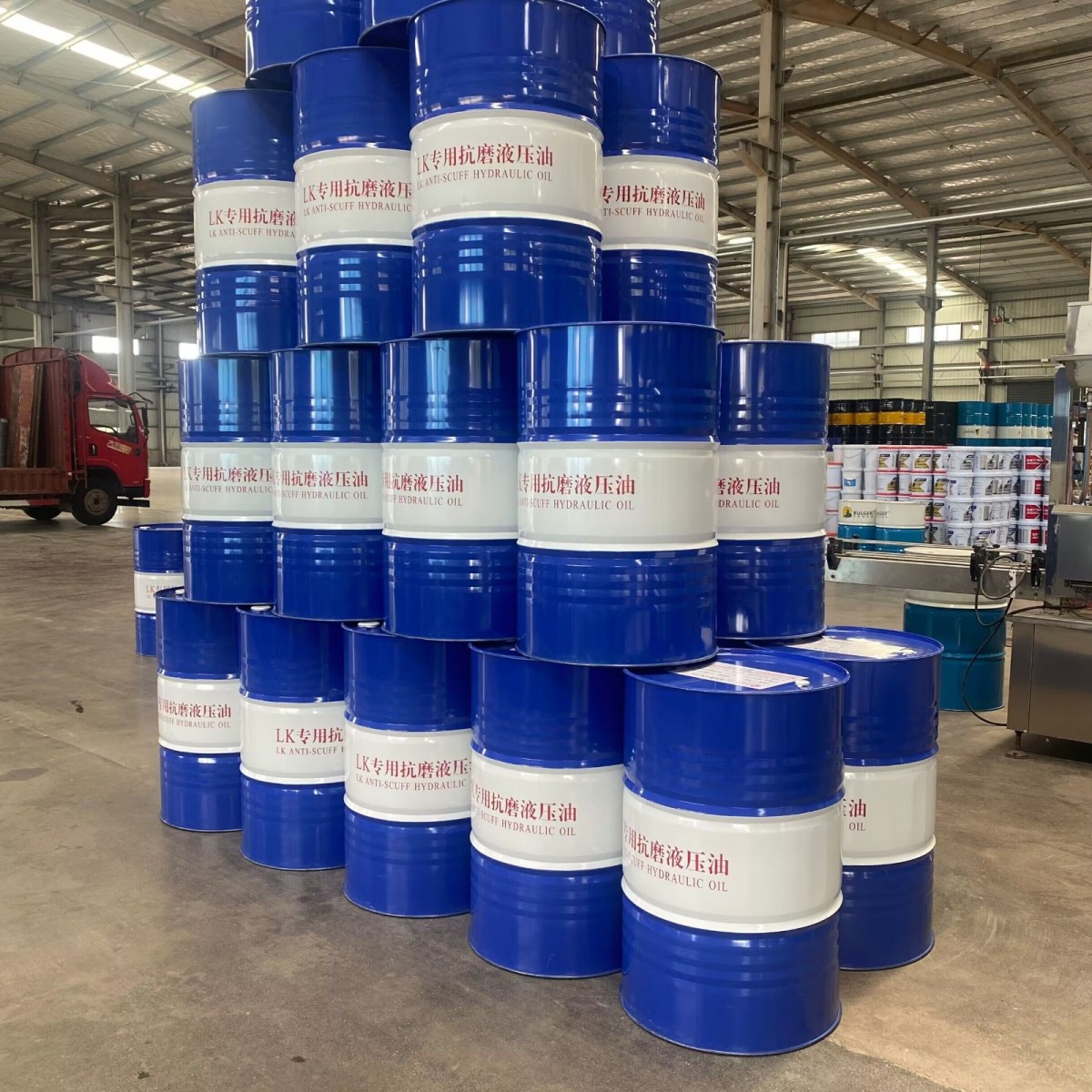

What Factors Affect the Service Life of Hydraulic Oil?
1. Operating temperature: Long-term exposure to high temperatures can cause oil products to carbonize easily, thereby reducing their service life.
2. Oil viscosity index; the lower the viscosity index, the poorer the stability of the oil.
3. Potential contamination, such as the intrusion of external impurities, moisture, and air.
4. The type of hydraulic oil selected; if the kinematic viscosity is not chosen correctly, it can also lead to a reduction in service life.
After understanding the influencing factors, we can target the solution to extend the service life of Mobil hydraulic oil.
Choose a high viscosity hydraulic oil.
Monitor operating conditions and control operating temperature using temperature control devices.
Ensure oil cleanliness, coolness, and dryness; maintain filtration; and use clean piping when adding hydraulic oil to the equipment.
4. Regularly analyze and test the current lubricants, closely monitor system and lubricant changes, and pay attention to whether oxidation and contamination of the lubricants exceed the standard. Monitor the particle size of the lubricants, and maintain it at a low level by adjusting the filtration system.
5. Generally speaking, change the oil according to the equipment's requirements or refer to the national oil change standards. According to the standard regulations, when an oil product in use meets the oil change standard, new oil should be replaced.
