
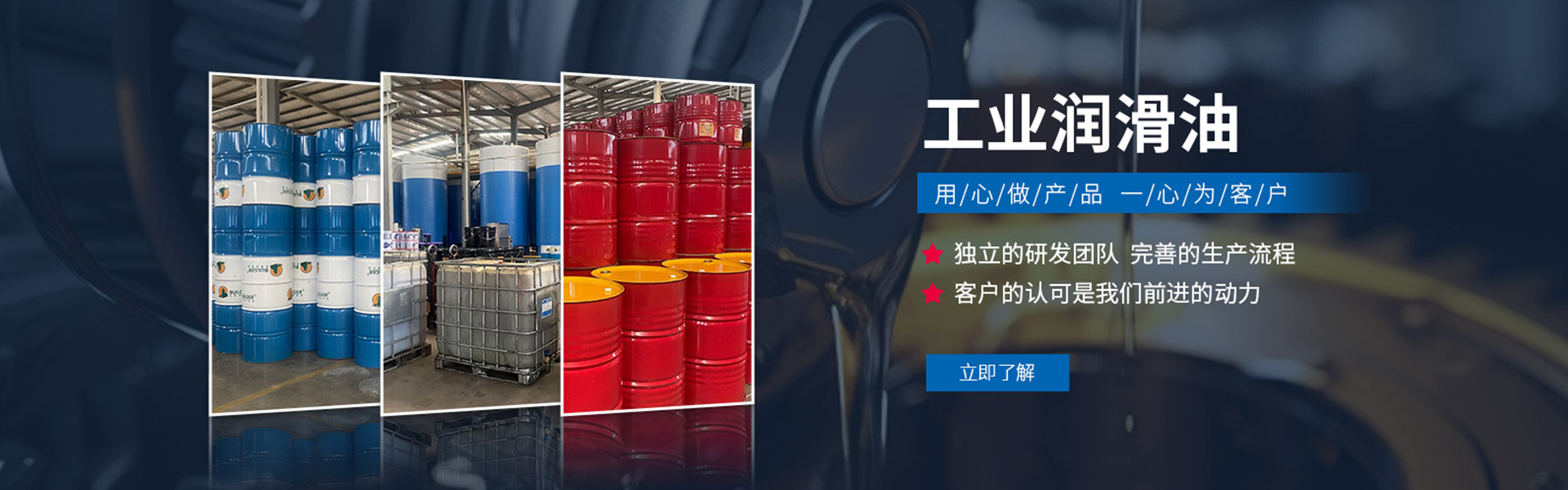
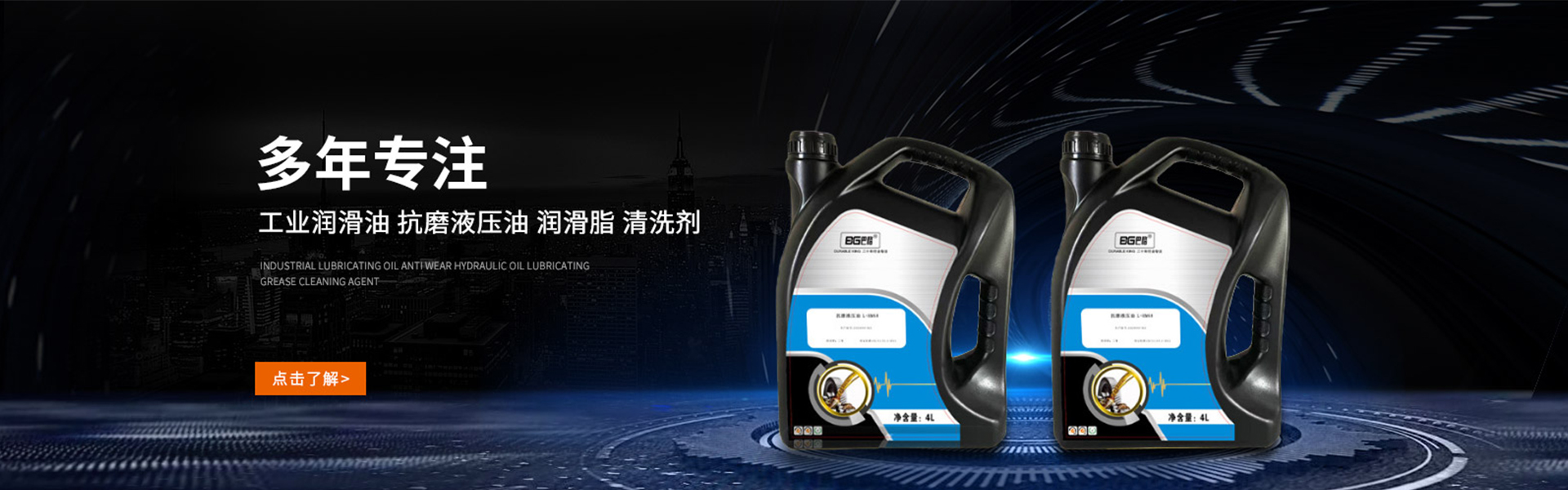
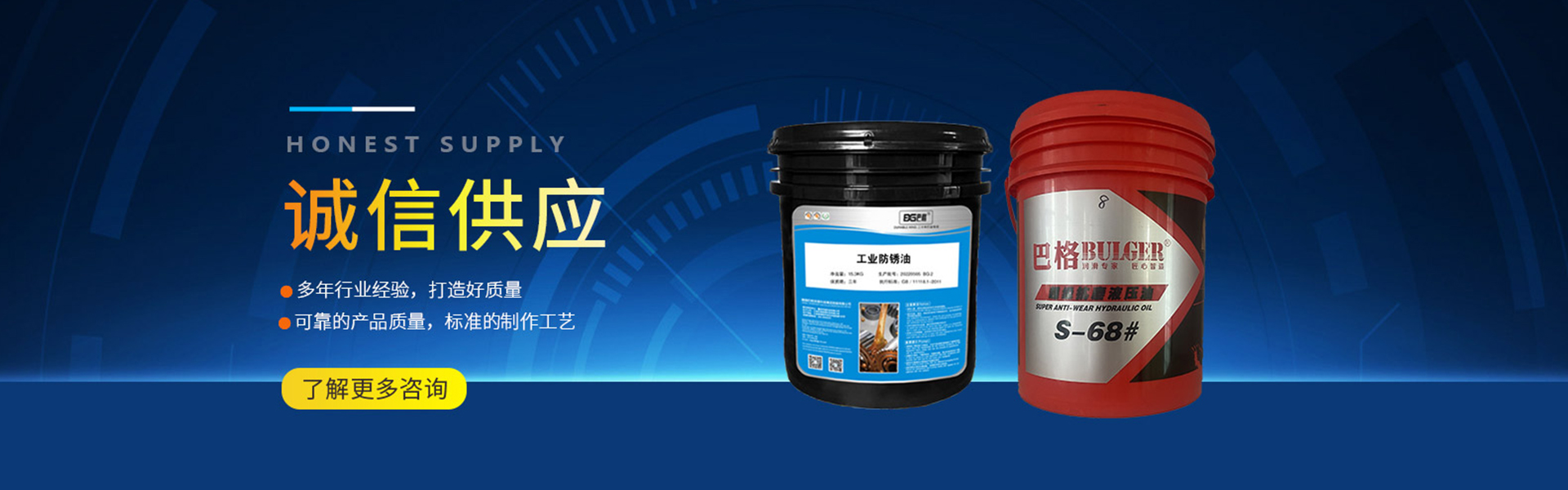

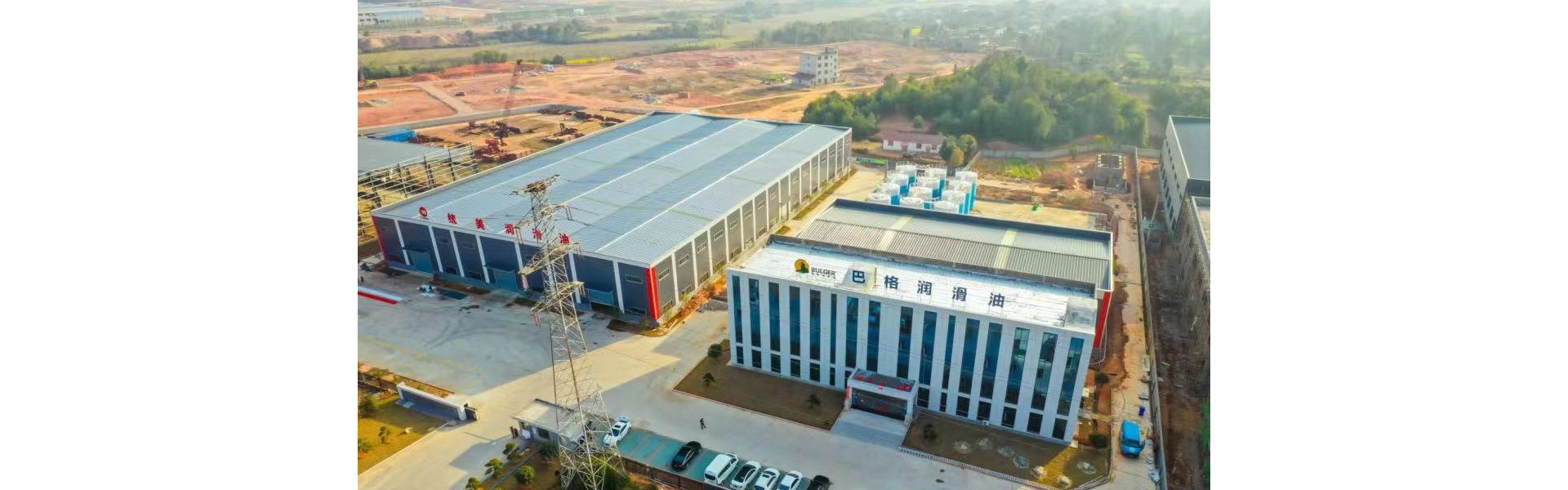

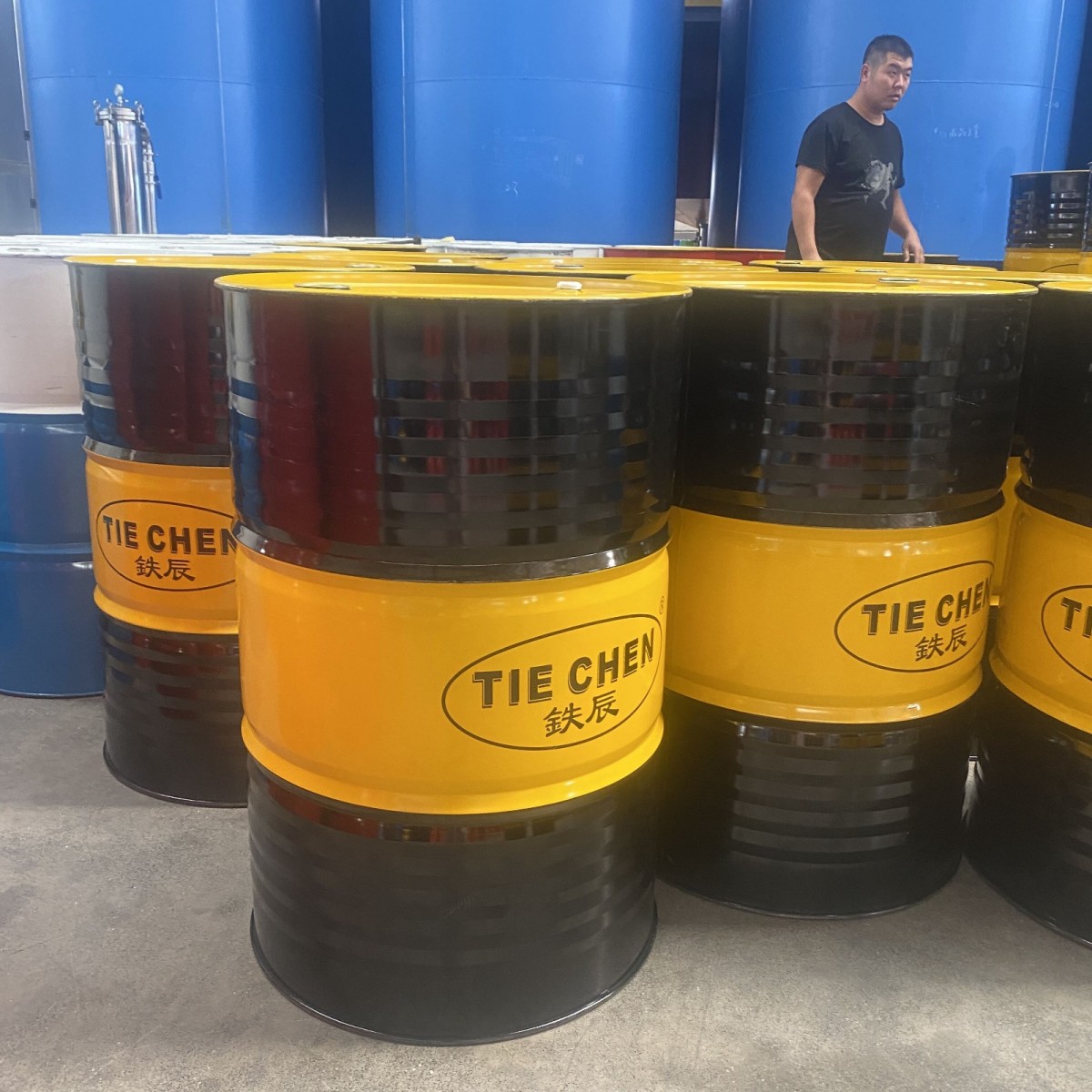
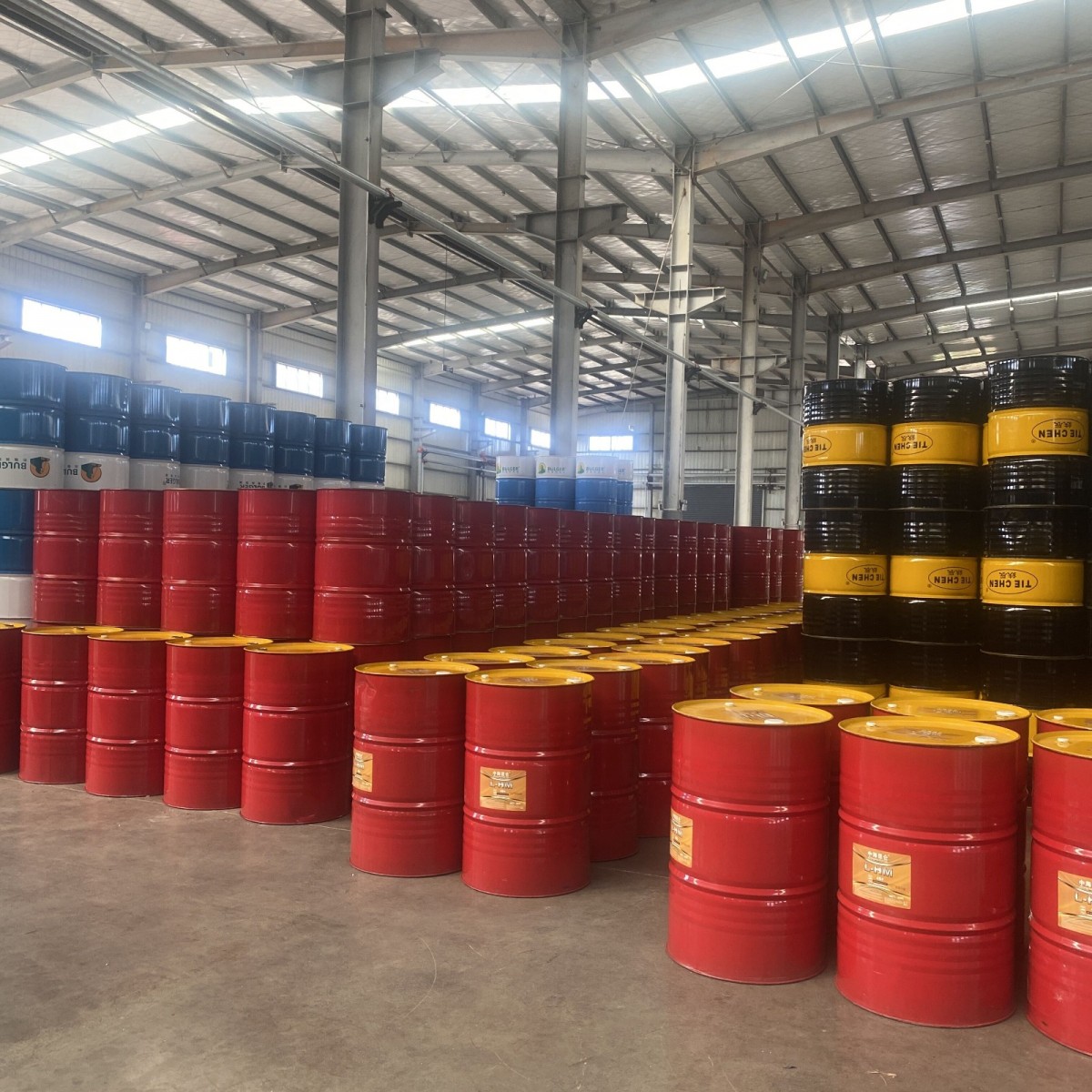
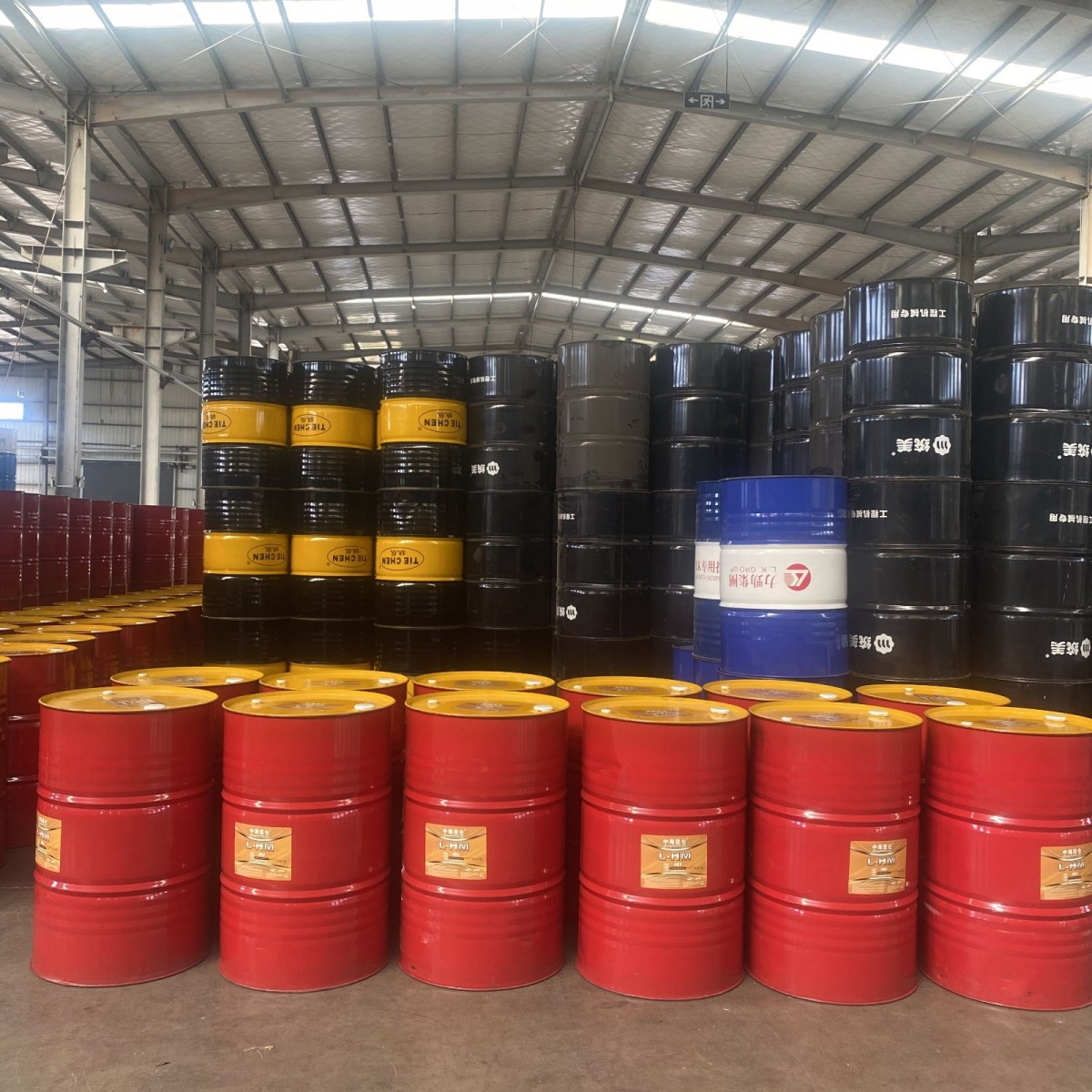
Our main products include: machinery and construction oils, industrial lubricants, greases, cleaners, marine oils, metalworking oils/liquids, a full range of rust preventatives, and we offer customized oil products for special customer needs. As a manufacturer providing OEM services, our business direction is to engage in multi-model sales nationwide; with the goal of becoming the most influential lubricant manufacturing base in the country.
Jiangxi Bagu Lubrication Technology Co., Ltd. has established partnerships with over 50 strategic clients, including Beijing Auto Group for production matching, as well as Wugang Group, Dongbei Group, Hanjiang Group, Jiangte Group, Pinggang, Fangda Special Steel, Jiugang, and more. The company now serves over 500 OEM clients.
Quality Assurance: Every lubricant product from our company has undergone rigorous product inspection and been evaluated by a third-party, nationally-recognized, authoritative laboratory. All technical and physical-chemical indicators of our lubricant products have been fully verified.
The company embarks on its journey with visionary market thinking and a high starting point. Committed to working alongside all our partners, we strive for the development of the lubricant industry, building a platform rich in cultural heritage and influence. Together, we aim to create a beautiful home for Bagu and forge a brilliant future hand in hand!
Hydraulic Oil Issues and Solutions in Industrial Lubricant Use
What are the causes of hydraulic oil particle contamination? What are the hazards? What are the prevention methods?
The causes of hydraulic oil particle contamination in Powder 1 are twofold: one is from external introduction, and the other is generated during the working process. One cause is the introduction of atmospheric dust through the oil tank's breathing hole, and the other is metal particles generated from the wear of moving parts.
2 Sludge and sediments caused by chemical changes in hydraulic oil mixed during transportation and storage 3 Presence of hydraulic system components
Clogged Filters: 2 Hazards Caused by 3 Incompatibilities - A. Adhesion. Servo Valve: B. Increased wear on pumps and moving parts; C. Accelerated aging of oil; D. Clogging the suction coarse filter, leading to cavitation in the pump. 3 Prevention Methods: A. Ensure the oil tank is sealed and dust-proof, or install breathing holes with air filters; B. Prevent dust and water during the storage and transportation of waste oil; C. Equip the system with a filter to remove contaminants promptly, preferably with a filter equipped with an indicator signal, and install a magnetic separator at the bottom of the oil tank; D. Install and regularly inspect and clean the coarse filter at the pump intake; E. Add protective covers to the cylinder and pushrod sealing areas, or use blowing to prevent dust.
However, the differences are significant. Can two mineral hydraulic oils with the same viscosity be freely interchangeable for systems requiring anti-wear hydraulic oil? No, they cannot. Although they have the same viscosity, it is absolutely not permissible to substitute L-HH or L-HL oils, as this could lead to premature failure of equipment oil pumps and operational malfunctions. Similarly, the L-HV and L-HS oils required for hydraulic systems in cold regions cannot be replaced with oils of the same viscosity grade, L-HM, as this could cause difficulties in cold starts and other issues.
Section II: Gear Oil Issues and Solutions
What are the main forms of gear failure? The main forms of gear failure include broken teeth, wear, pitting, and bonding.
What factors lead to the degradation of industrial gear oil over storage? Internal reasons include the limited stability of the base oil. As time progresses, the oil undergoes deterioration. Various additives added to improve the overall performance of the oil gradually degrade over time. Generally, this degradation is slow and often takes 2 years or more.
Mechanical impurities and sludge. ②Viscosity changes in oil containing viscosity index improvers, what are the phenomena of industrial gear oil degradation? ①Changes in appearance. The color deepens and becomes cloudy. Emulsification occurs with visible abrasive particles. Viscosity decreases due to mechanical shearing, while oxidation of the oil and emulsified sludge cause an increase in viscosity. ③Acid value changes. In oil products containing high acid value additives, a decrease in acid value during the initial use indicates the consumption of additives. An increase in acid value later on is the result of oxidation producing acidic substances. ④Increased moisture leads to poor anti-foaming properties, and the hydrolysis of extreme pressure agents affects lubrication, potentially causing pitting and adhesion on the gear surface. ⑤Increased benzene hexane (petroleum ether) insolubles are the result of oxidation products and metal shavings, dust, and other contaminants during temporary use at high temperatures.
Solution to Turbine Oil Usage Issues
L_TSA turbine oil and L-TCD turbine oil must not be mixed. 2. Why measure the demulsibility of turbine units? Demulsibility is an important indicator for steam turbine lubricating oil. It measures the time it takes for oil and water to separate under specified conditions. Can different types of turbine oil be mixed? Different types of turbine oil cannot be mixed. During the operation of steam or hydraulic turbines, abnormal system conditions may allow water or steam to enter, causing the oil to emulsify. To resist the demulsifying effect of water on the oil, turbine oil must have a certain degree of demulsibility to ensure long-term use in the equipment. A shorter demulsification time indicates that the emulsion can quickly break down and separate oil from water, whereas the opposite situation is undesirable. Therefore, the shorter the demulsification time of the oil, the better.
Section 4: Compressor Oil Issues and Solutions
If the cause is oil-related, is the flash point of lubricating oil related to the cause of explosion? Apart from mechanical factors, compressor explosions are often due to severe carbon accumulation in the oil, which blocks the compressor exhaust port, leading to a dramatic increase in internal pressure. Research suggests that the flash point of lubricating oil is not related to the cause of explosion, as the oil mist and vapor must reach temperatures 2-3 times higher than the flash point to ignite spontaneously.
For oil-lubricated compressors, the following points should be noted: 1. Choose the appropriate lubricant; 2. Regularly clean the exhaust system; 3. Pay attention to operation methods; 4. Maintain and preserve strictly; 5. Use suitable oil mist separation methods; 6. Employ a high-performance aftercooler for air cooling, which is a simple and effective fire and explosion prevention method. How to prevent fire and explosion in compressors? Prevent fires and explosions by regular maintenance checks.
