




Flame-retardant hydraulic oil is a type of hydraulic oil based on organic esters that features automatic flame extinction capabilities and strong biodegradability. It boasts excellent antioxidant, anti-wear, anti-corrosion, and anti-foaming properties, and significantly reduces the risk of fire and explosion when the oil comes into contact with flames or hot surfaces. Under what circumstances should flame-retardant hydraulic oil be used?
In metallurgy, power, glass manufacturing, mining, and certain chemical industries, some hydraulic systems are exposed to open flames or high-temperature environments. When using mineral oil-based hydraulic fluids, leaks or exposure to the atmosphere can potentially lead to fires, impacting production. These hydraulic systems must utilize fire-resistant hydraulic oils.As per your request, since there is no Chinese content provided, the translation remains: As per your request, since there is no Chinese content provided, the translation remains:Electro-hydraulic control for regulating steam supply to turbine generators(EHC)High-pressure and high-temperature conditionsPlease provide the Chinese content to be translated.The company is calling for the use of flame-retardant hydraulic oil to mitigate the high-cost fire risks and potential hazards.
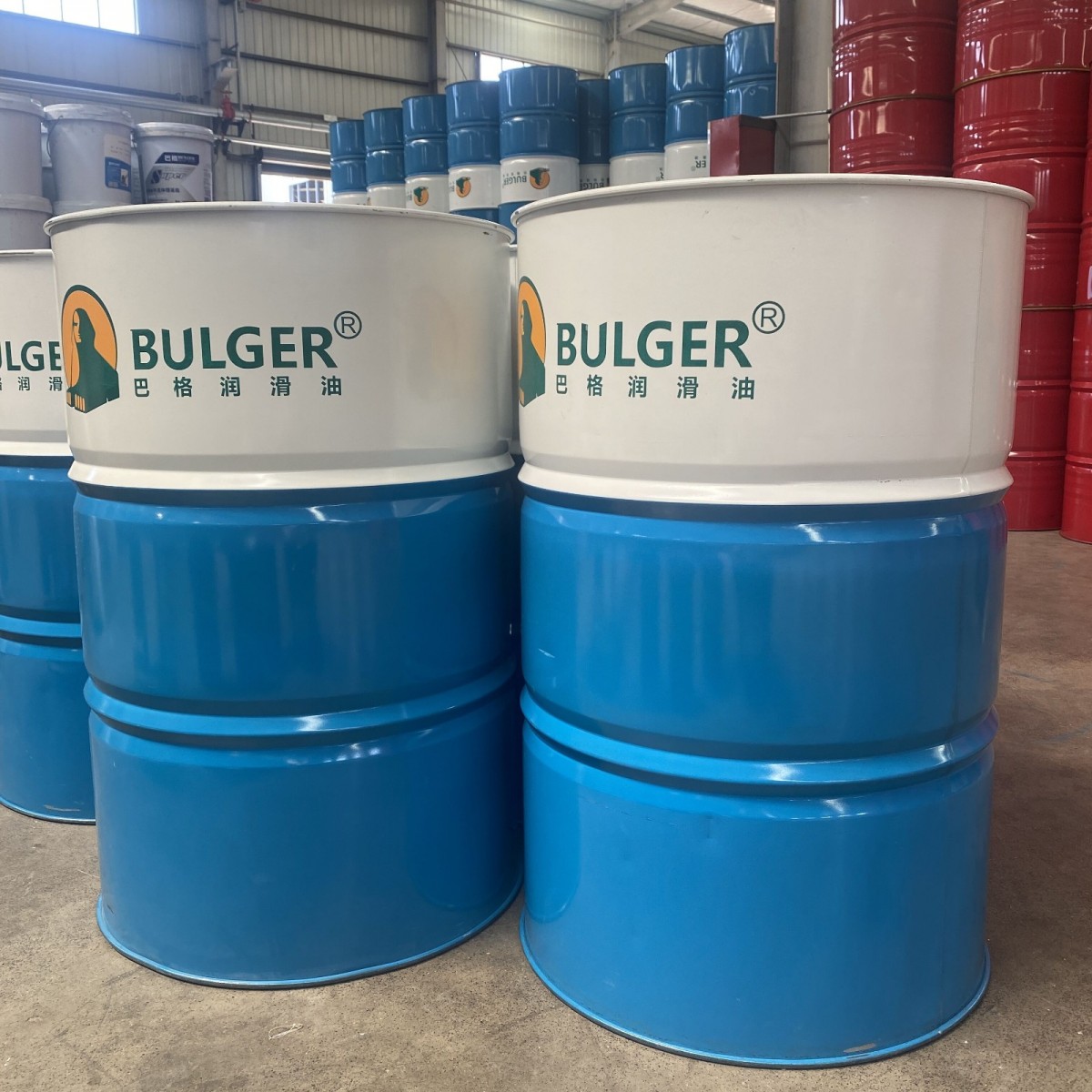
Anti-wear hydraulic oil
(1) Appropriate viscosity and good thermal stability to ensure that hydraulic components are well-lubricated, cooled, and sealed under varying working pressure and temperature conditions.
(2) Excellent extreme pressure and wear resistance to ensure normal lubrication of friction pairs in oil pumps, hydraulic motors, control valves, and cylinders under high pressure, high-speed, and stringent conditions, reducing wear.
(3) Excellent antioxidant stability, hydrolytic stability, and thermal stability to resist the effects or actions of factors such as air, moisture, high temperature, and high pressure, making it less prone to aging and deterioration, thereby extending its service life.
(4) Excellent anti-foaming properties and air release values ensure that foam generated under the intense mechanical agitation during operation dissipates rapidly. It also facilitates the release of air mixed with oil within a shorter period, achieving precise, sensitive, and stable transmission of static pressure.
(5) Excellent anti-foaming properties enable it to quickly separate from water mixed with oil, preventing the formation of emulsions and reducing the risk of metal corrosion in the hydraulic system and degradation of performance.
(6) Excellent rust resistance to prevent corrosion of the metal surface.
Hydraulic Oil Precautions
(1) Maintain the cleanliness of the hydraulic system by promptly removing sludge and metal shavings from the oil tank.
(2) Change the oil according to the recommended oil change criteria. During the oil change, ensure that all parts of the equipment are cleaned thoroughly to prevent contaminants from mixing with the oil, which could affect its performance.
(3) Containers and fueling equipment must be clean during storage and use to prevent contamination of the oil products.
(4) This oil is primarily suitable for hydraulic pumps used in steel-to-steel friction pairs. When used in hydraulic pumps for friction pairs of other materials, it is mandatory to have the recommended pump load limits from the pump manufacturer or the oil supply unit.
Hydraulic Oil's Abrasion-Resistant Properties and Advantages
Excellent oxidation stability contributes to maintaining system cleanliness and reducing deposits, thereby minimizing maintenance downtime and costs, ultimately extending the lifespan of lubricants and filters.
Enhanced abrasion and corrosion protection for system components utilizing various metals, aiding in extending the lifespan of the components and improving production capacity.
Controlled anti-foaming properties still protect the system under low or high water content.
The product features cleaning properties that reduce system sediment and sludge, aiding in the protection of equipment, extending its lifespan, lowering maintenance costs, and enhancing overall system performance.
Even under stringent operating conditions and extended oil change intervals, its exceptional quality reserve characteristics maintain the performance of the oil.
Abrasive Hydraulic Oil Applications
Hydraulic systems with stringent requirements for sediment accumulation, or those prone to forming oil sludge and sediment with conventional products.
Hydraulic systems requiring high load-bearing capacity and wear resistance, as well as those needing thin oil film corrosion protection.
Inevitably, the system contains a small amount of moisture.
Gear and bearing system
Hydraulic systems incorporating a wide range of components made from various metals
Antifriction hydraulic oil's prevention of air intrusion into the hydraulic system
Air can also cause hydraulic oil to oxidize, accelerating its deterioration. To prevent air intrusion, note the following points:
After maintenance and oil change, air in the system must be expelled according to the random "User Manual" in order to operate normally.
The intake port of the hydraulic pump must not extend above the oil surface, and the intake pipe line must be well-sealed.
The oil pump drive shaft seal should be in good condition. Attention should be paid to using a "double唇" oil seal when replacing the seal at this location.
During the quality inspection of anti-wear hydraulic oil, the following three aspects are primarily checked:
Hydraulic oil oxidation: During use, hydraulic oil is gradually oxidized due to temperature changes, the presence of oxygen in the air, and the effects of sunlight, which alters its viscosity and other properties. The degree of oxidation can usually be determined by the color and odor of the oil. If the hydraulic oil appears dark brown and emits a foul smell, it indicates oxidation. The darker the brown and the stronger the foul odor, the more severe the oxidation. In such cases, it is advisable to replace the oil with new hydraulic oil.
② The Degree of Water Content in Hydraulic Oil If water is mixed into hydraulic oil, it will reduce its lubricating performance and corrode metal. There are usually two methods to determine the degree of water contamination in hydraulic oil: first, by observing changes in color and odor, such as if the hydraulic oil turns milky white and the odor remains unchanged, it indicates excessive water contamination. Second, by placing a small amount of hydraulic oil on a hot iron plate; if it emits a "pop-pop" sound, it indicates the presence of water. At this point, it is advisable to replace the oil.
After a period of mechanical operation, if impurities are found in the hydraulic oil, take a few drops of hydraulic oil in your hand, rub it with your fingers, and inspect for metal particles or observe for any tiny glint under sunlight. If there are a significant number of metal particles or glinting spots, it indicates a high concentration of mechanical impurities in the hydraulic oil. In such cases, it is advisable to replace the hydraulic oil or remove it and allow it to settle for at least 42 hours before filtering and reusing it.
Mechanical oil, known in full as "Oil for Full Loss System," is a general-quality lubricating oil obtained from petroleum lubricating oil fractions through dewaxing, solvent refining, and clay treatment. It is suitable for gearboxes, manual oiling rotating parts, textile machinery, machine tools, small and medium-sized motors, fans, pumps, and other machinery's gearboxes, manual oiling rotating parts, and general lubrication points or systems, where the working temperature is below 60°C. To meet the diverse needs of various types of mechanical equipment, different lubricating oils with varying functions are typically required.
We understand that the differences in equipment construction environments and operational characteristics place higher demands on both equipment performance and hydraulic oil product performance. Therefore, the properties of the anti-wear hydraulic oil used in a specific application project are significantly different from those of other ordinary oils. Now, what are the specific characteristics of anti-wear hydraulic oil in adapting to low-temperature environments? Low-temperature hydraulic oil has an appropriate viscosity, excellent extreme pressure anti-wear properties, and superior low-temperature performance. It has a low pour point, ensuring that construction machinery or equipment can start up and operate normally in cold or severely cold areas.
