





ForTransformer insulating oil,The quality is generally not measured by the length of storage, but by whether it can effectively isolate air, preventing moist air from adding moisture to the oil and reducing its insulating properties. Moreover, prolonged exposure to air can lead to oxidation of transformer oil, which also causes a change in its chemical properties.HoweverTransformer insulating oil can be kept sealed and preserved, ensuring that the oil does not deteriorate.GB/T 7595Regulations state that the interfacial tension of operating oil must be less than19mN/mIf not, oil sludge may precipitate or the acid value may be substandard. The oil change cycle for low-oil circuit breakers can be the same as the maintenance cycle. Generally, it is required that insulating oil can be used10No Chinese content provided, nothing to translate.20Year.
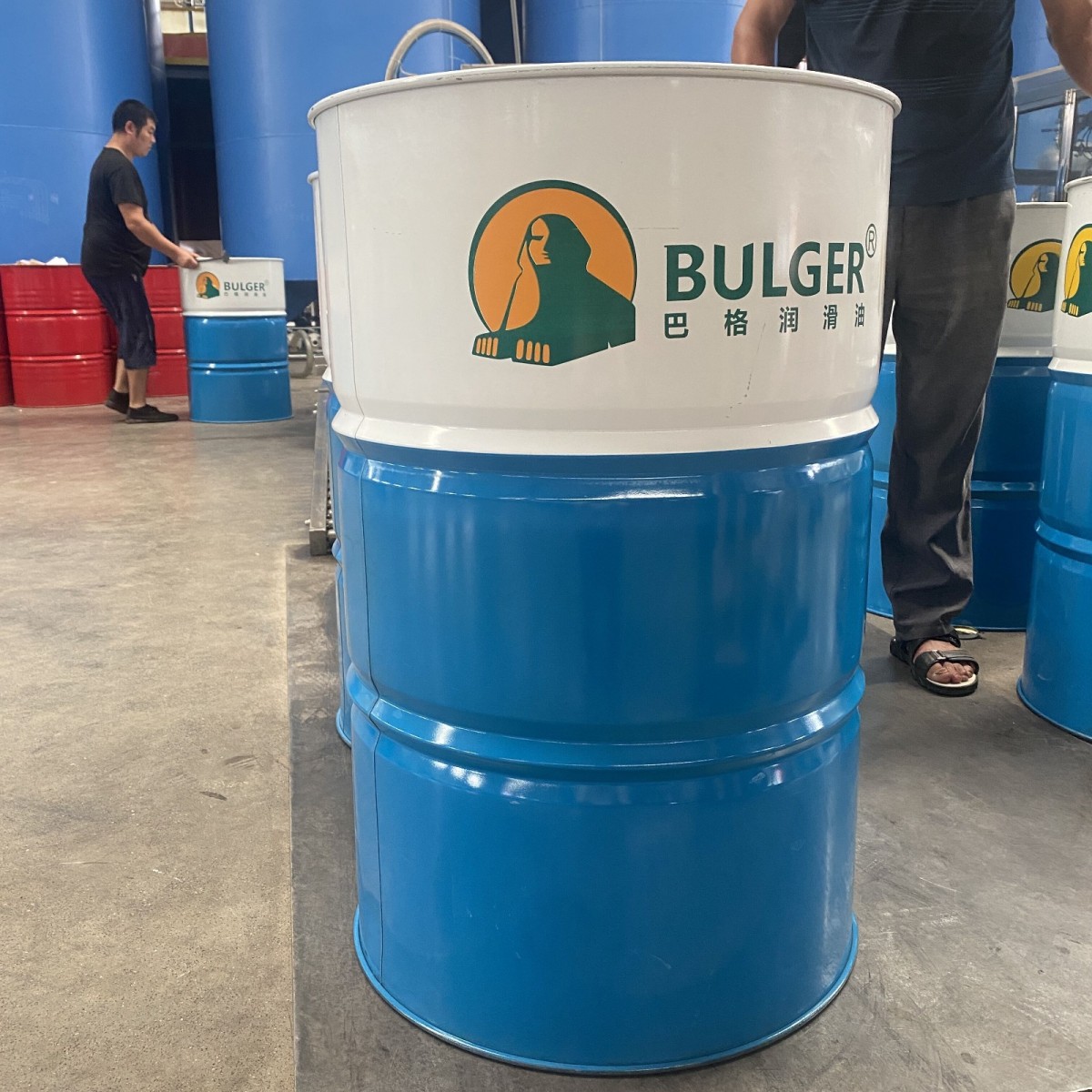
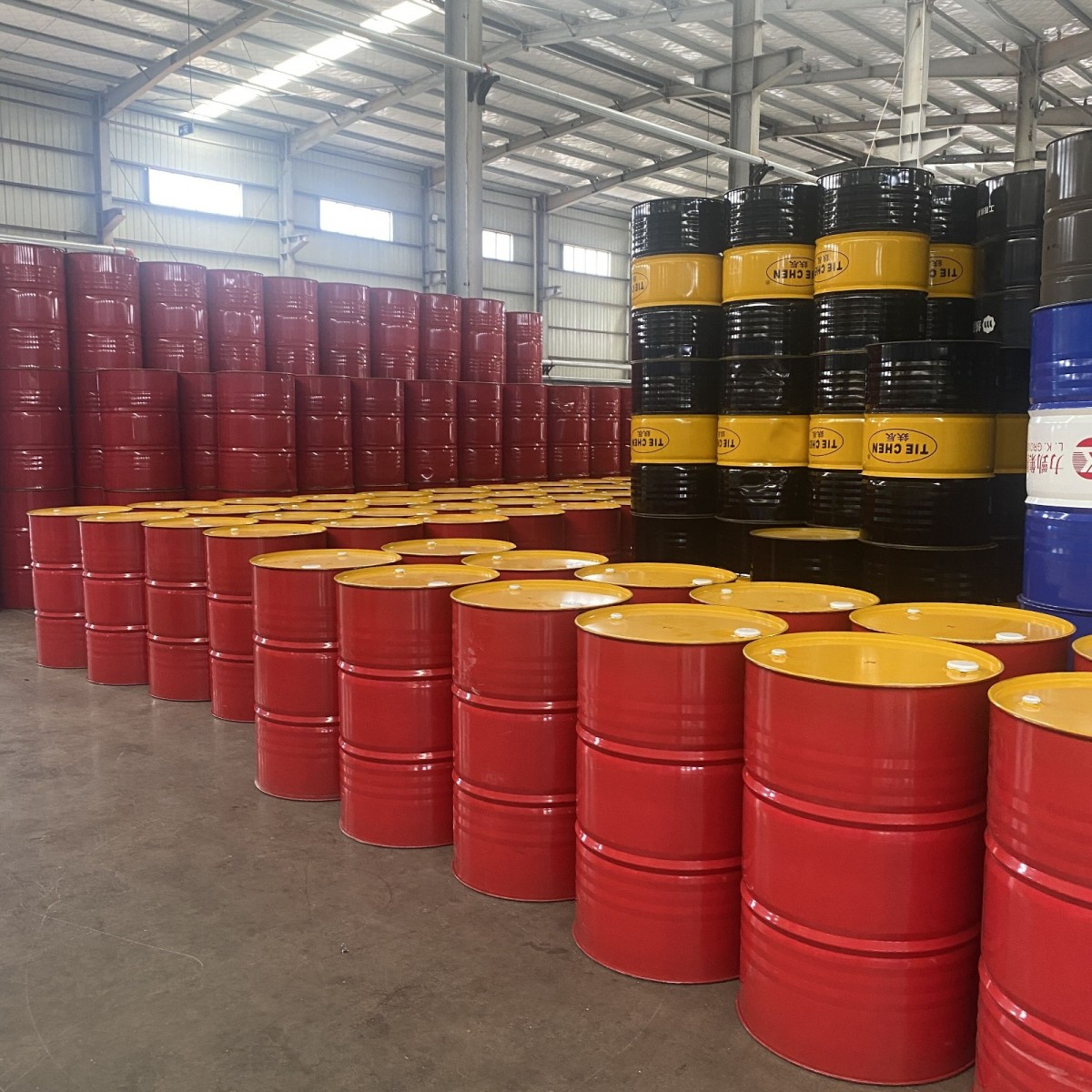
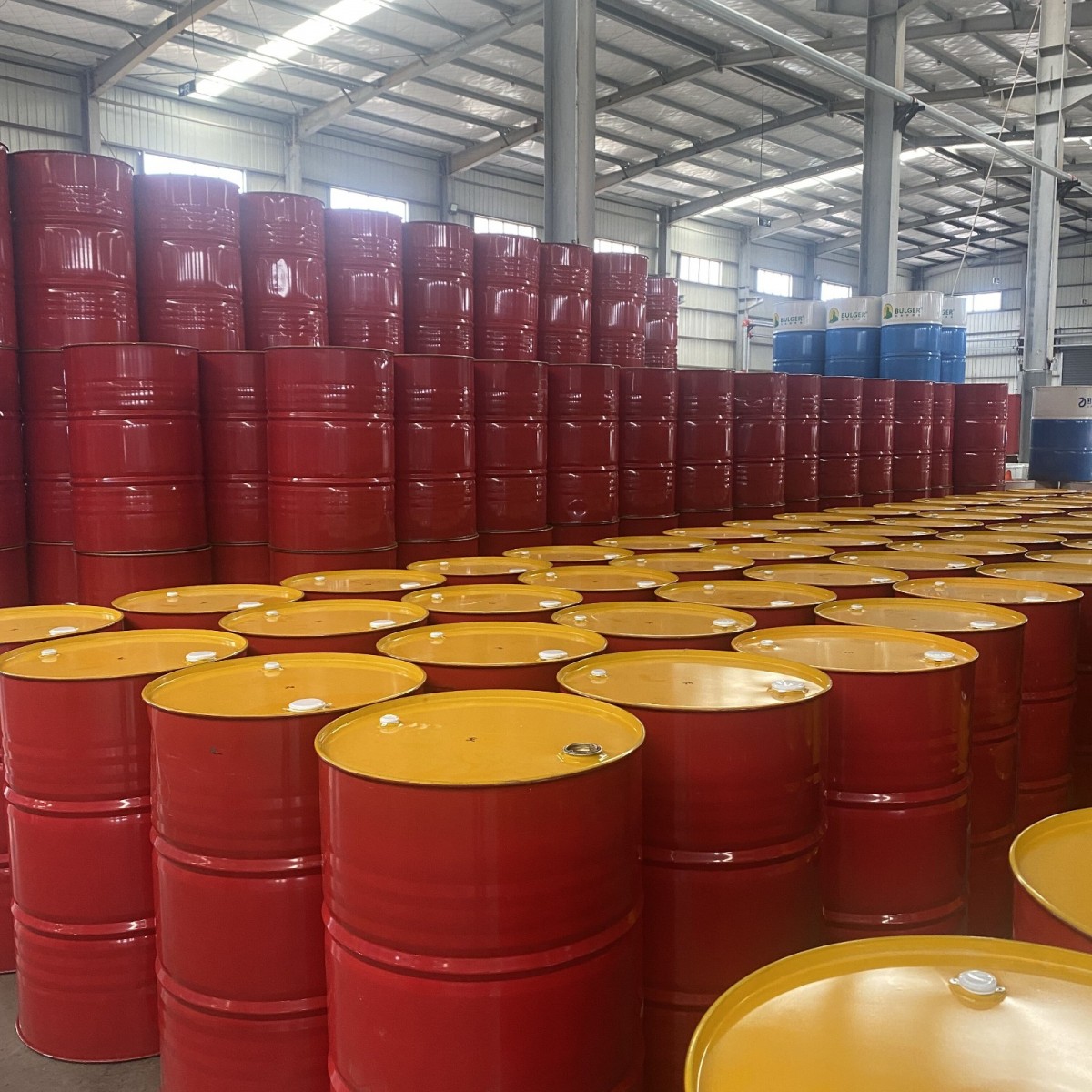
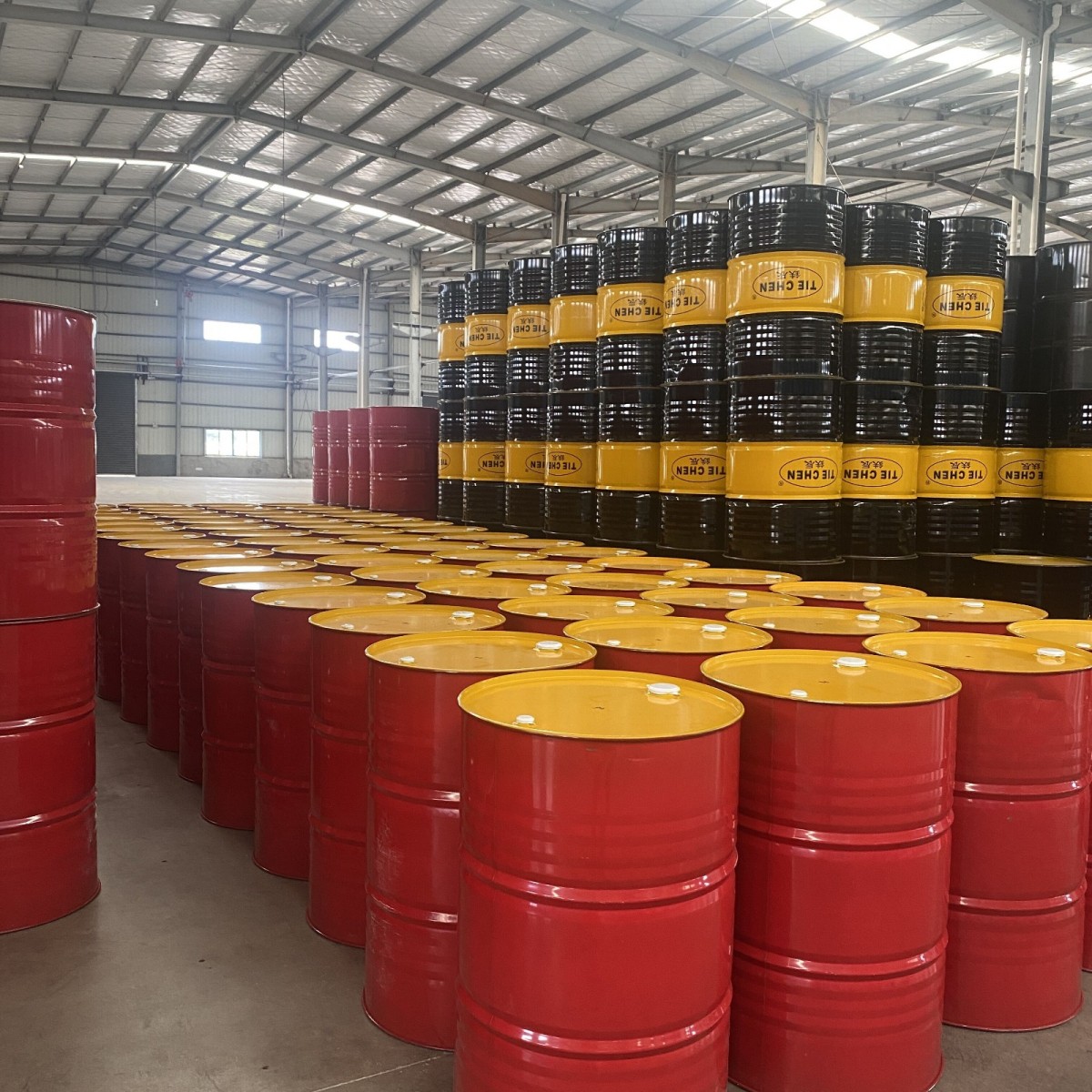
Lubricating oil is composed of two parts: base oil and additives. Base oil alone cannot meet the numerous performance requirements of engine oil. Base oil is a refined component extracted from crude oil, characterized by basic viscosity features, while additives are chemical substances used to improve and enhance the quality of the oil.
Base Oil for Lubricants
Lubricating base oils are primarily categorized into two types: mineral base oils and synthetic base oils. Mineral base oils are widely used and account for a significant portion of the market (over 95%), but there are certain applications that necessitate the use of products formulated with synthetic base oils, leading to the rapid development of synthetic base oils.
Mineral oil refers to substances directly refined from crude oil, used for manufacturing lubricants. Synthetic oil, on the other hand, is produced by cracking lighter oils or coal into ethylene, and then recombining them through complex chemical transformations. It boasts stable physical and chemical properties, is free of impurities, and possesses numerous natural advantages over mineral oil.
(2) Additives
Additives are essential for enhancing the physical and chemical properties of lubricants according to their quality and performance requirements. They can confer new special properties to lubricants or reinforce existing ones, meeting higher standards. Careful selection, meticulous balancing, and rational blending of additives are crucial for ensuring lubricant quality. In fact, superior lubricants demonstrate a comprehensive performance.
In general, engine oil must meet the following requirements to ensure the normal operation of the engine: appropriate viscosity; good low-temperature flow properties; antioxidant properties; thermal stability; cleanliness and dispersancy; anti-wear properties; and corrosion and rust prevention.
