



Stamping oil and stretching oil are essentially the same, differing only in the extent to which they are used in the stamping and stretching of workpieces.
Stretching refers to the process of thinning and elongating bars, pipes, or wires. The stretching oil is formulated using superior mineral base oil, compounded with high-performance sulfurized lard and sulfurized fatty acid esters as the main agent, dedicated to metal stamping and stretching processing. It boasts excellent anti-wear and extreme pressure properties, preventing surface damage to workpieces and enhancing their smoothness. It effectively extends the lifespan of stamping dies, is easy to clean, odorless, and non-irritating to the skin. This high-energy lubricant is formulated with a variety of special additives, including extreme pressure additives, lubricants, cooling agents, and rust prevention additives, specifically designed for various metal stretching and stamping forming processes.
Stamping and stretching refers to the process of forming sheets into circular, square, or oval shapes without a hollow bottom, and it involves the use of stamping oil, which is a metalworking oil primarily made of electrically sulfonated lard, enriched with refined oil additives, rust inhibitors, and other additives. It is particularly suitable for high-intensity operations such as piercing, stamping, threading, and slotting. Additionally, it is highly applicable in plastic forming processes. Its exceptional lubricity and extreme pressure resistance make it ideal for ultra-high-strength stretching, tube stamping, and shearing, among others.
The optimal combination of oiliness, anti-wear, and extreme pressure additives in the formulation ensures the product has excellent load-bearing capabilities and anti-welding functions, effectively preventing "dragging flowers" and "pulling bursts" in molds and workpieces, thereby enhancing product quality and mold lifespan.
Traditional stamping and stretching oils primarily include mineral oils, volatile oils, borax soap-based dry films, and soap-based compounds. As the requirements for stainless steel stretching increase, the drawbacks of traditional lubricants are gradually becoming apparent. For instance, mineral oils are difficult to wet out, contain harmful and volatile components, and are hard to clean and directly bond; volatile oils are flammable, toxic, and offer little protection, thereby increasing the VOC content in the workshop; borax soap-based dry films can accumulate on surfaces, produce boric sand particles during stamping, and become soft and sticky in humid environments; soap-based compounds can cause sticking at the stamping areas, corrode soft metals, and produce foam during cleaning.
Since water-based lubricants possess many advantages that dry film lubricants cannot offer, since the early 1970s, various countries have been researching water-based drawing lubricants. The United States Patent and Trademark Office, the Japan Patent Office, and the European Patent Office have already granted nearly a hundred patents for water-based lubricants. In 1981, a high-performance, environmentally friendly, oil-free water-based stamping lubricant emerged, capable of replacing traditional lubrication technology. This is a polymer and molding lubricant that boasts non-toxicity, stable chemistry, water solubility, easy washability, and unique thermal conductivity, high adhesion, high lubricant film strength, high anti-polar pressure, high cooling properties, and high thermal insulation. It is primarily used in metal workpiece forming processes such as drawing over forming, punching, cutting, and bending, and can accomplish difficult deep drawing over forming. Compared to traditional stainless steel drawing oils, it has significant advantages.
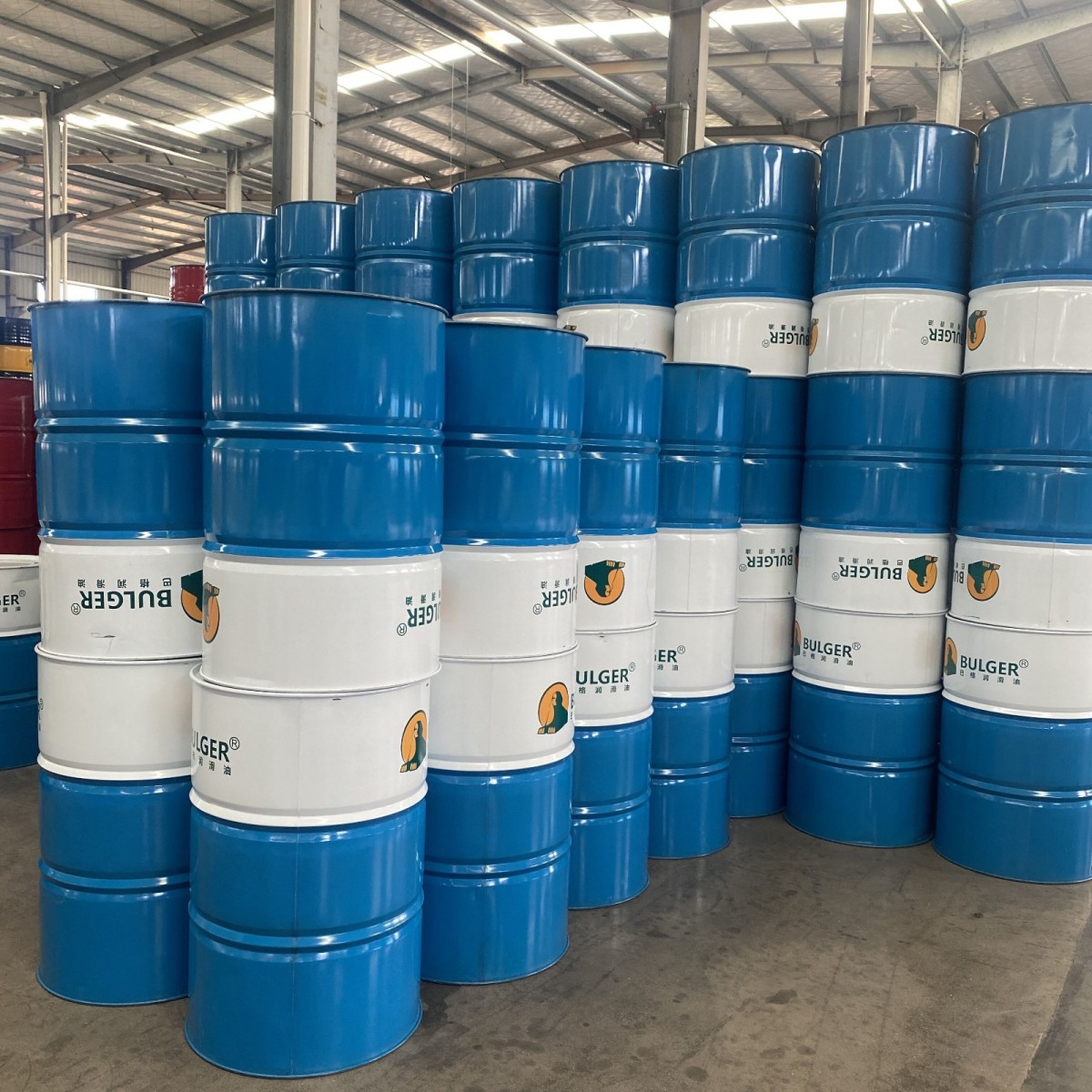
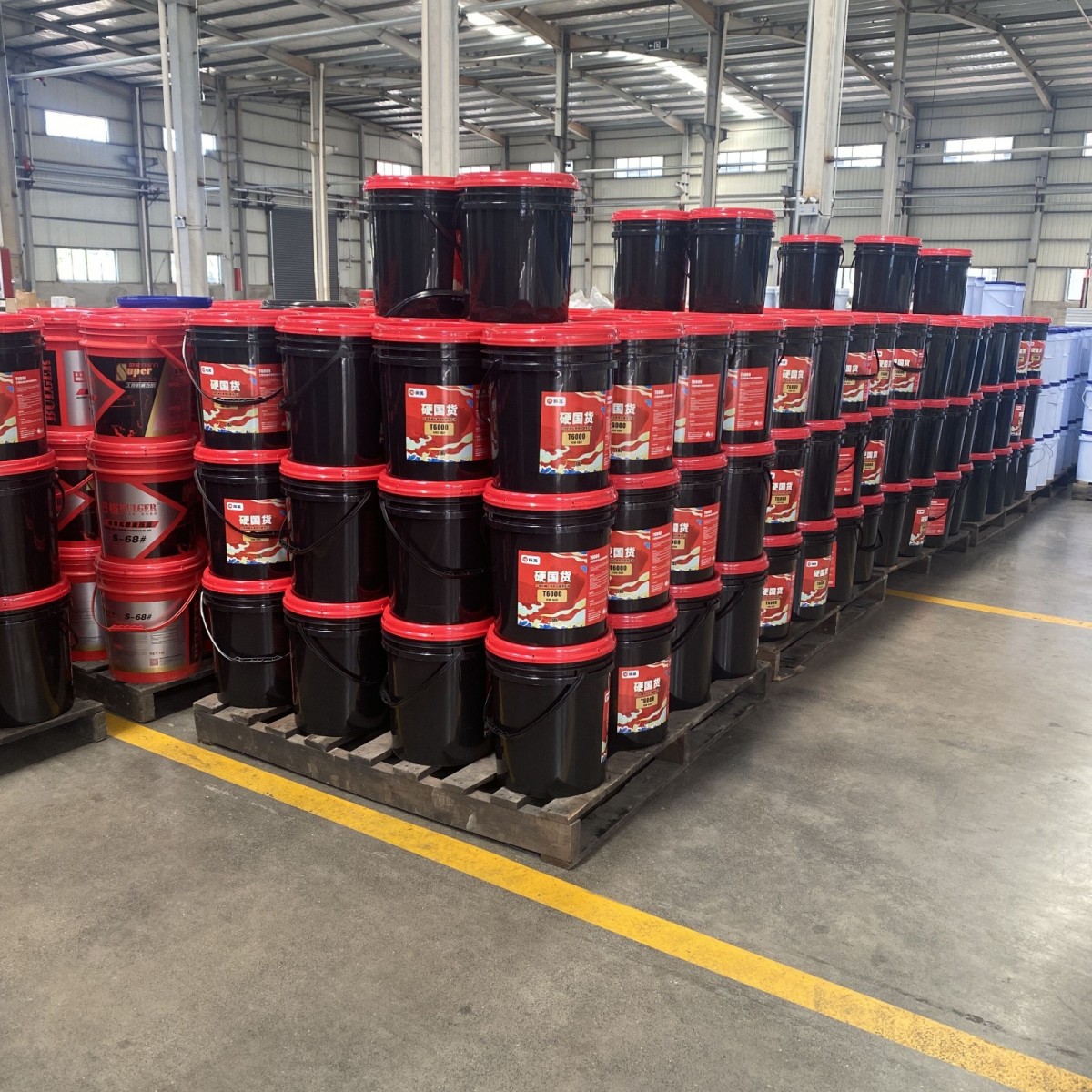
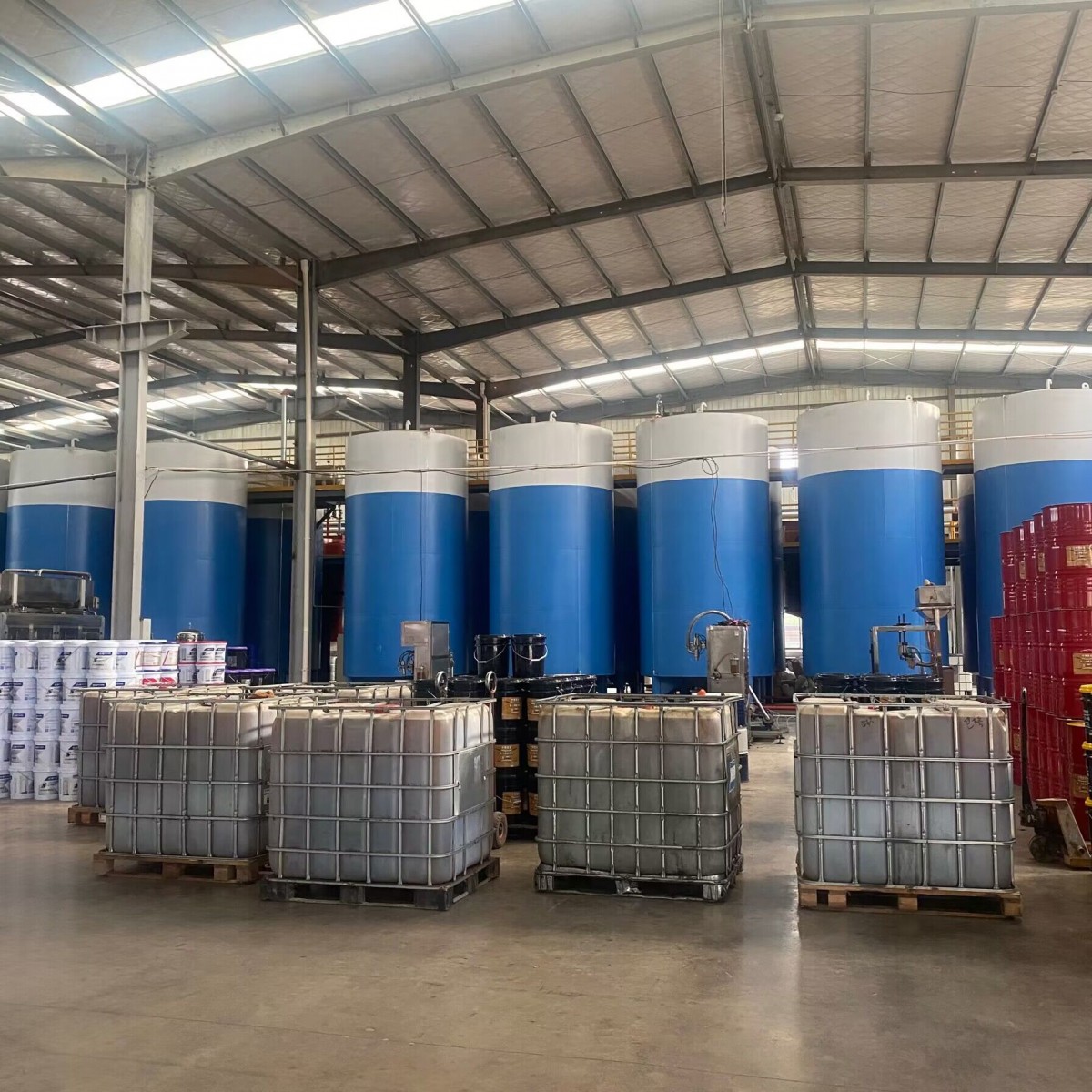


Gear oils are produced in accordance with the American Petroleum Institute (API) quality standards and are primarily categorized into the following series: CKC100#, CKC150#, CKC220#, CKC320#, CKC460#, CKC680#, CKD100#, CKD150#, CKD220#, CKD320#, CKD460#, and CKD680#.
What's the difference between CKC and CKD, and how can we tell them apart when the product viscosity is roughly the same?
CKC is a medium-duty gear oil, while CKD is a heavy-duty gear oil. Generally, CKC is primarily used in closed spur and helical gears under extremely demanding operating conditions, as well as in bearings and couplings, turbine gear drives, reducers, etc., offering exceptional pressure resistance and wear resistance. CKD heavy-duty gear oil, on the other hand, is mainly applied in very stringent conditions (high loads, extreme high or low temperatures) for industrial closed helical and straight gears, heavily loaded bearings and gear couplings, worm gears, and other gear components. Its viscosity can be further distinguished based on the power and load of the gear equipment.
Therefore, it is crucial to strictly differentiate between medium and heavy loads, which is the purpose of CKC and CKD gear oils, playing a vital role in protecting gear equipment.
Thermal oil application scope:
1. Industrial Sector: Application in industrial and equipment rubber and plastic industries: hot pressing, calendering, extrusion, vulcanization, artificial leather processing, film processing.
2. Fine Chemicals: synthesis of pesticide intermediates, antioxidants, surfactants, fragrances, etc.
3. Fats & Chemicals: Fatty Acid Distillation, Fat Decomposition, Distillation, Concentration, Nitration
4. Textile Industry: polymerization reactions, melt spinning, thermal setting, fiber finishing.
5. Paper Industry: Hot Melt Extruders, Corrugated Sheet Processing Machines, Dryers
6. Wood Processing: Composite Panel Pressing, Dryer
7. Electrical Processing: Wire and Cable Manufacturing
8. Energy Industry: Waste Heat Recovery, Solar Energy Utilization, Reactor Heat Extraction
9. Food Industry: Grain Drying, Food Baking
10. Air Conditioning Industry: Residential heating, chemical, and industrial applications;
11. Petrochemical: polymerization, decomposition, distillation, concentration, evaporation, melting equipment, etc.
12. Construction Materials Industry: Asphalt Melting, Insulation, Gypsum Board Drying
Textile Printing and Dyeing Industry: Thermal melting dyeing, thermal setting, and drying equipment.
Product Performance of Rust-Proof Emulsifying Oil:
This product boasts stable quality, a long service life, and is an ideal cutting oil with multifunctional properties including clearness, corrosion resistance, lubrication, and cooling, suitable for metal cutting operations such as grinding, turning, milling, planing, boring, tapping, and drilling. It is harmless to both humans and equipment. The product has a wide application range and strong versatility, widely used in the cutting and grinding processes of ferrous and non-ferrous metals, particularly for inter-process corrosion prevention. The product exhibits excellent clarity, corrosion resistance, cooling, and lubrication properties, which can enhance the surface finish of workpieces.
