



What's the Difference Between Cutting Fluid and Lubricating Oil? What's the Role of Cutting Oil?
Slicing LiquidThere are two types of cutting oils: oil-based and water-based. Water-based cutting oils contain 80% to 95% water and have emulsifying capabilities, commonly referred to as cutting fluids. Cutting Oil: The role of cutting oil goes beyond limiting friction during cutting, as it also addresses internal molecular friction between the tool and the selected metal. The interface temperature in the cutting zone can reach 600 to 800°C. Such high temperatures and pressures can decrease the strength and hardness of the tool, hence cutting oil must serve four functions: cooling, lubricating, cleaning, and rust prevention. Cutting oil is used for lubrication and cooling during metal cutting processes for tools and components.
Lubricant:Lubricants are formulated by blending base oils of different viscosity grades with varying proportions of several types of additives. The base oil of mineral oil in both mineral and synthetic oils is originally derived from the residue at the bottom of the tower after the practical light substances have been distilled off during the extraction process.
Difference:Coolants are aqueous cutting oils with emulsifying functions, while lubricants are mineral oils made by blending different grades of base oils and additives, which are the original liquid with a high viscosity.
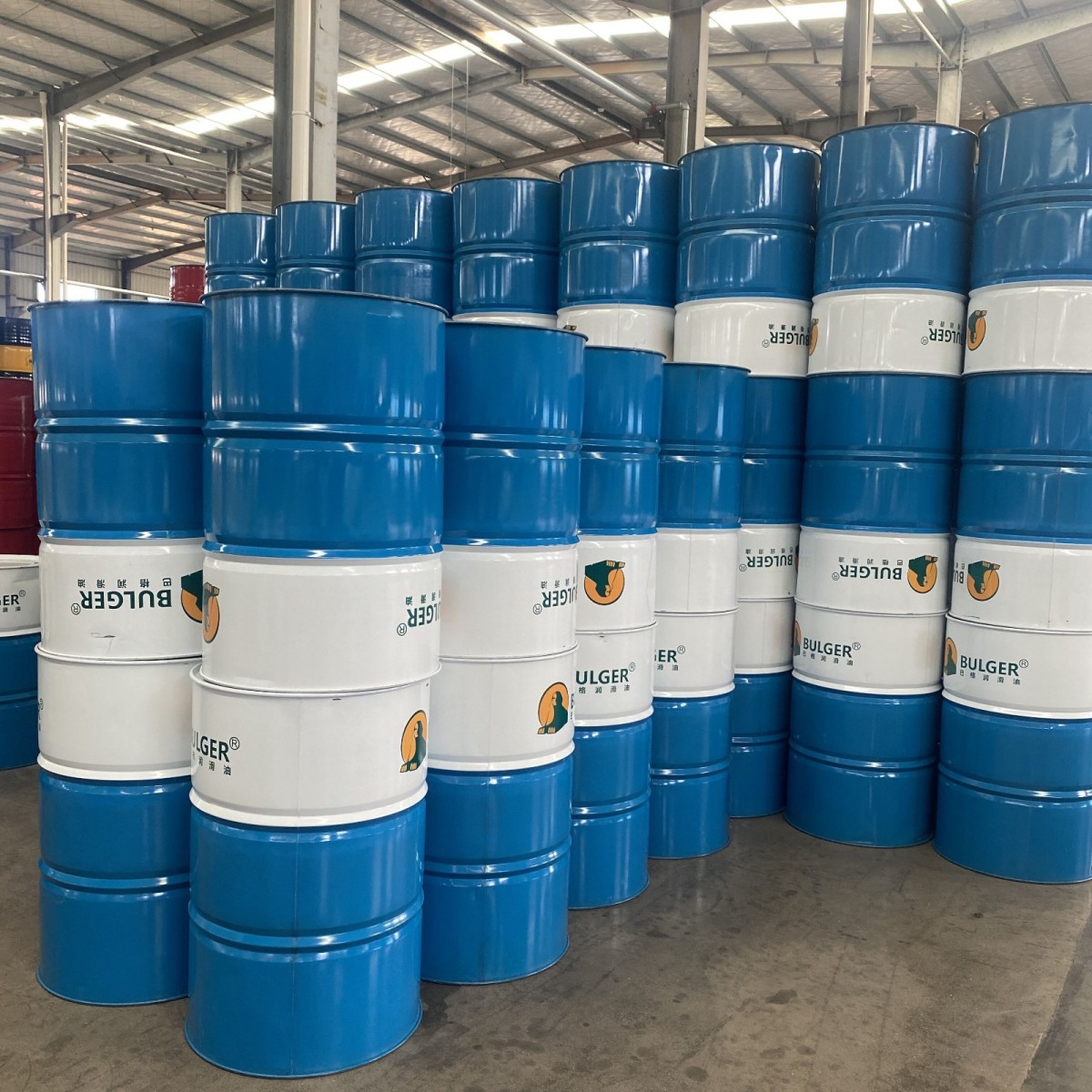
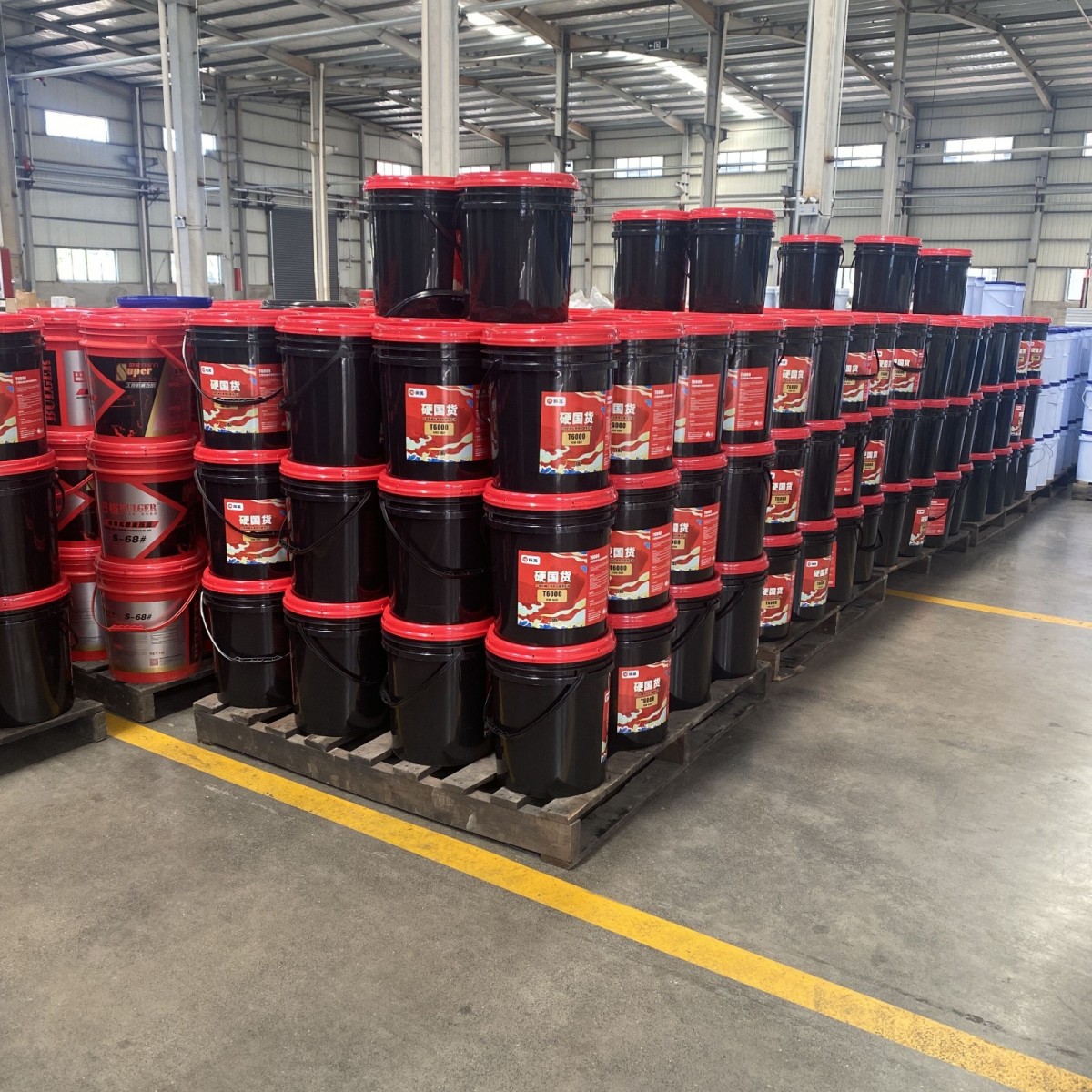
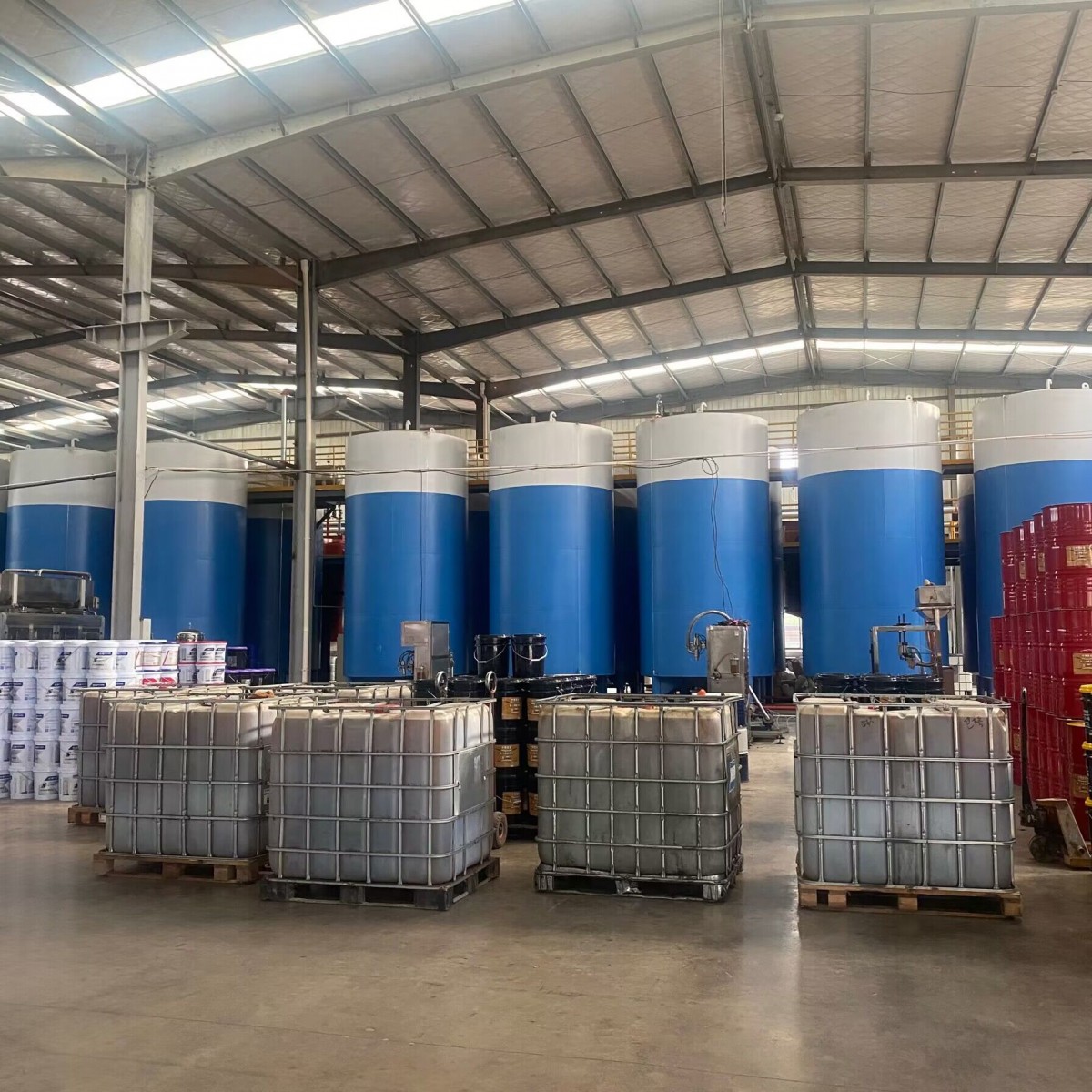

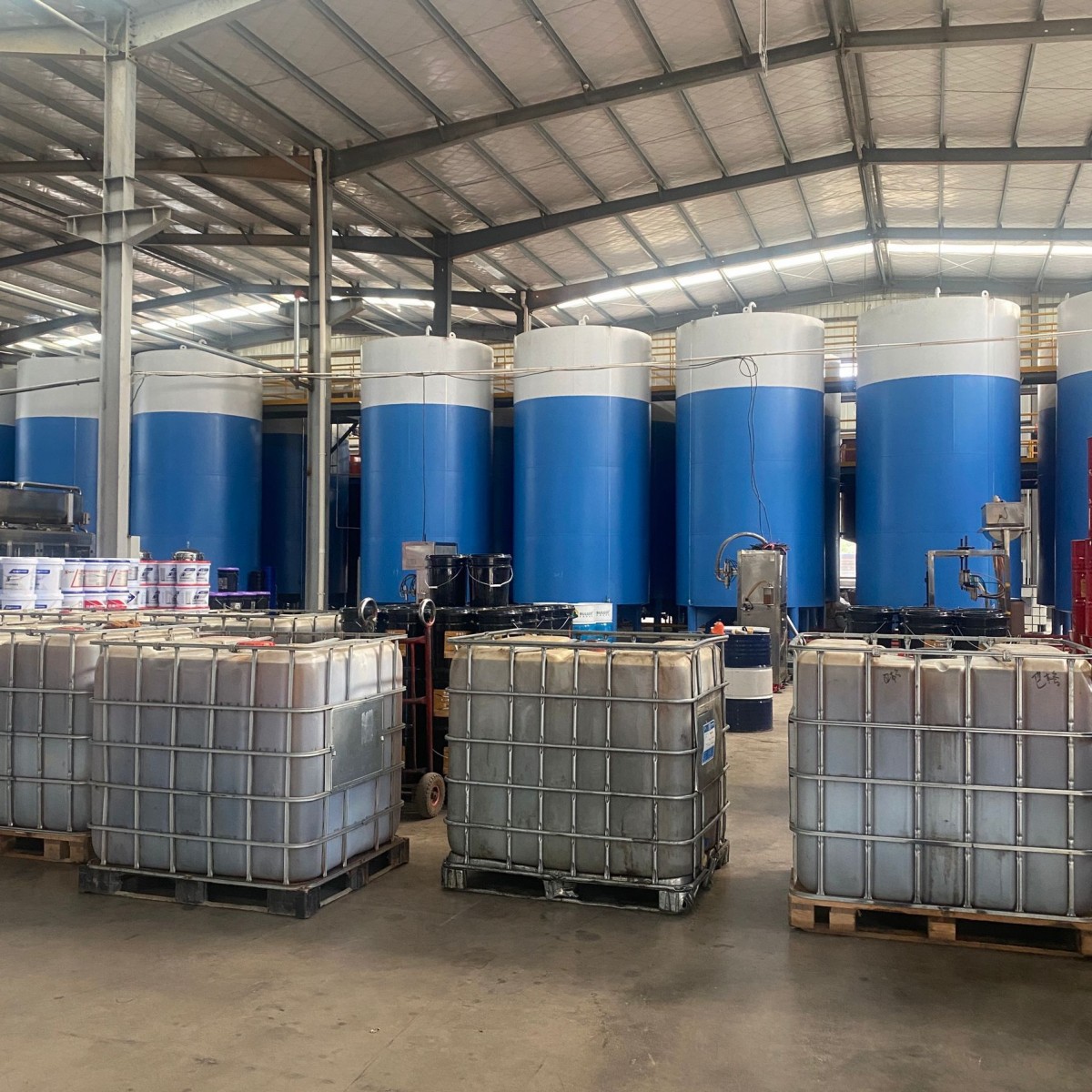

Gear oils are manufactured in accordance with the American Petroleum Institute (API) quality standards and are primarily categorized into the following series: CKC100#, CKC150#, CKC220#, CKC320#, CKC460#, CKC680#, CKD100#, CKD150#, CKD220#, CKD320#, CKD460#, and CKD680#.
What's the difference between CKC and CKD, and how can we distinguish them when the product viscosity is quite similar?
CKC is a medium-duty gear oil, while CKD is a heavy-duty gear oil. Generally, CKC is primarily used in closed gear boxes with severe operating conditions, such as spur and helical gears, bearings and couplings, turbine gears, reducers, etc., offering exceptional pressure resistance and wear resistance. In contrast, CKD heavy-duty gear oil is mainly applied in extremely demanding conditions (high loads, extreme high or low temperatures) for industrial closed helical and spur gears, heavily loaded bearings and gear couplings, worm gears, and other gear components. The viscosity can be further distinguished based on the power and load of the gear equipment.
So, it is crucial to strictly differentiate between medium and heavy load conditions, which is where the CKC and CKD gear oils come into play, playing a vital role in protecting gear equipment.
Thermal Conductive Oil Application Range:
1. Industrial Sector: Application in industrial and equipment rubber and plastic industries: hot pressing, calendering, extrusion, vulcanization, artificial leather processing, film processing.
2. Fine Chemicals: synthesis of agricultural intermediate, antioxidant, surfactant, and fragrance, etc.
3. Edible Oil & Chemicals: Fatty Acid Distillation, Oil Decomposition, Distillation, Concentration, Nitration
4. Textile Industry: polymerization reactions, melt spinning, thermal setting, fiber finishing.
5. Paper Industry: Thermal Melters, Corrugated Plate Processing Machines, Dryers
6. Wood Processing: Composite Panel Pressing, Drying Machines
Electrical Processing: Wire and Cable Manufacturing
8. Energy Industry: Waste Heat Recovery, Solar Energy Utilization, Reactor Heat Extraction
9. Food Industry: Grain Drying, Food Baking
10. Air Conditioning Industry: Residential heating, chemical, and industrial applications.
11. Petrochemicals:聚合, decomposition, distillation, concentration, evaporation, fusion equipment, etc.
12. Construction Materials Industry: Asphalt Melting, Insulation, Gypsum Board Drying
Textile Dyeing and Finishing Industry: Hot Melt Dyeing, Heat Setting, Drying Equipment.
Product Performance of Rust-Preventing Emulsified Oil:
This product offers stable quality and a long service life, making it an ideal cutting oil with multifunctional properties such as clearness, anti-rust, lubrication, and cooling for metal cutting operations, including grinding, turning, milling, planning, boring, tapping, and drilling. It poses no harm to either humans or equipment. With a wide range of applications and strong versatility, it is extensively used in the cutting and grinding processes of ferrous and non-ferrous metals, particularly for anti-rust protection during production. The product excels in clarity, anti-rust, cooling, and lubrication, enhancing the surface finish of workpieces.
