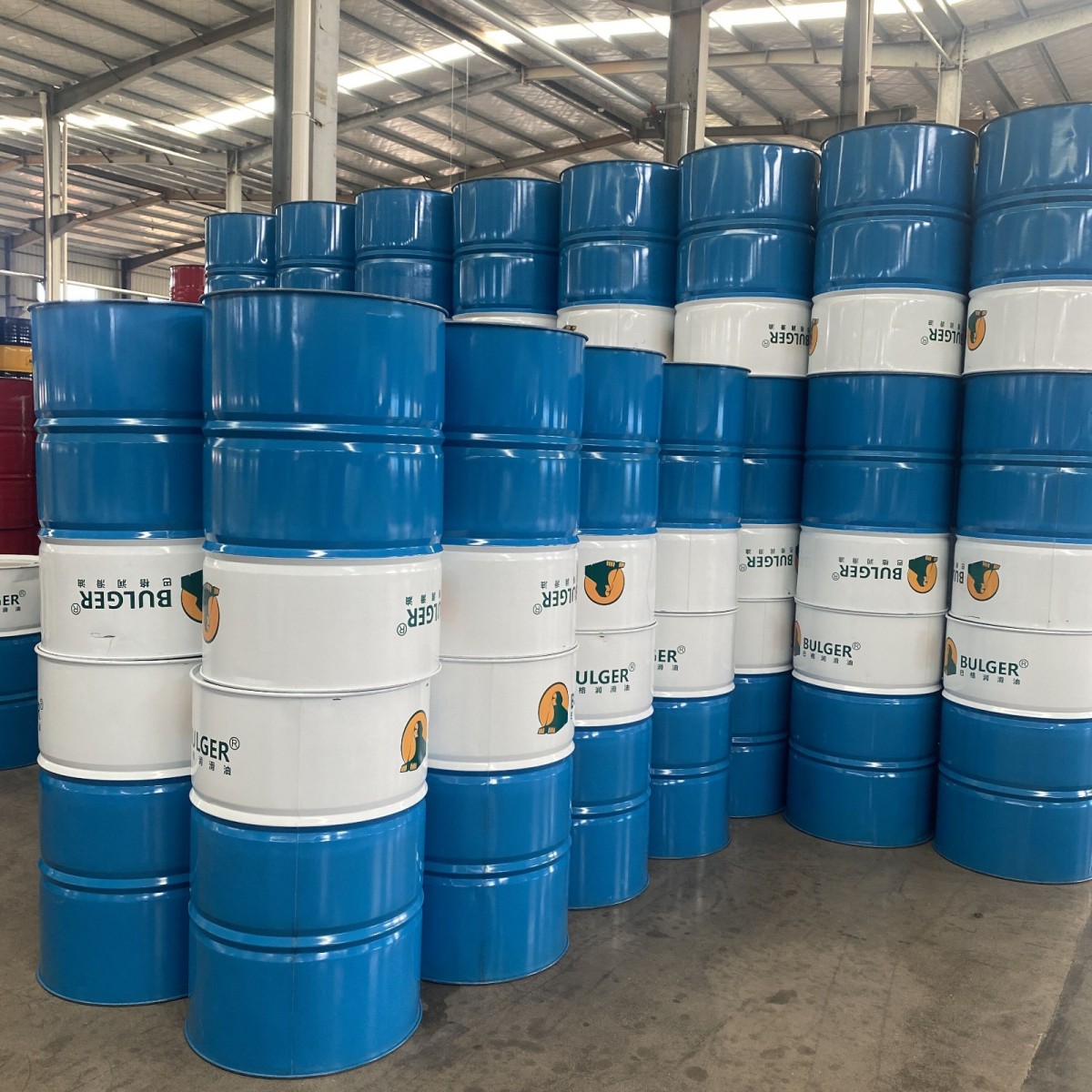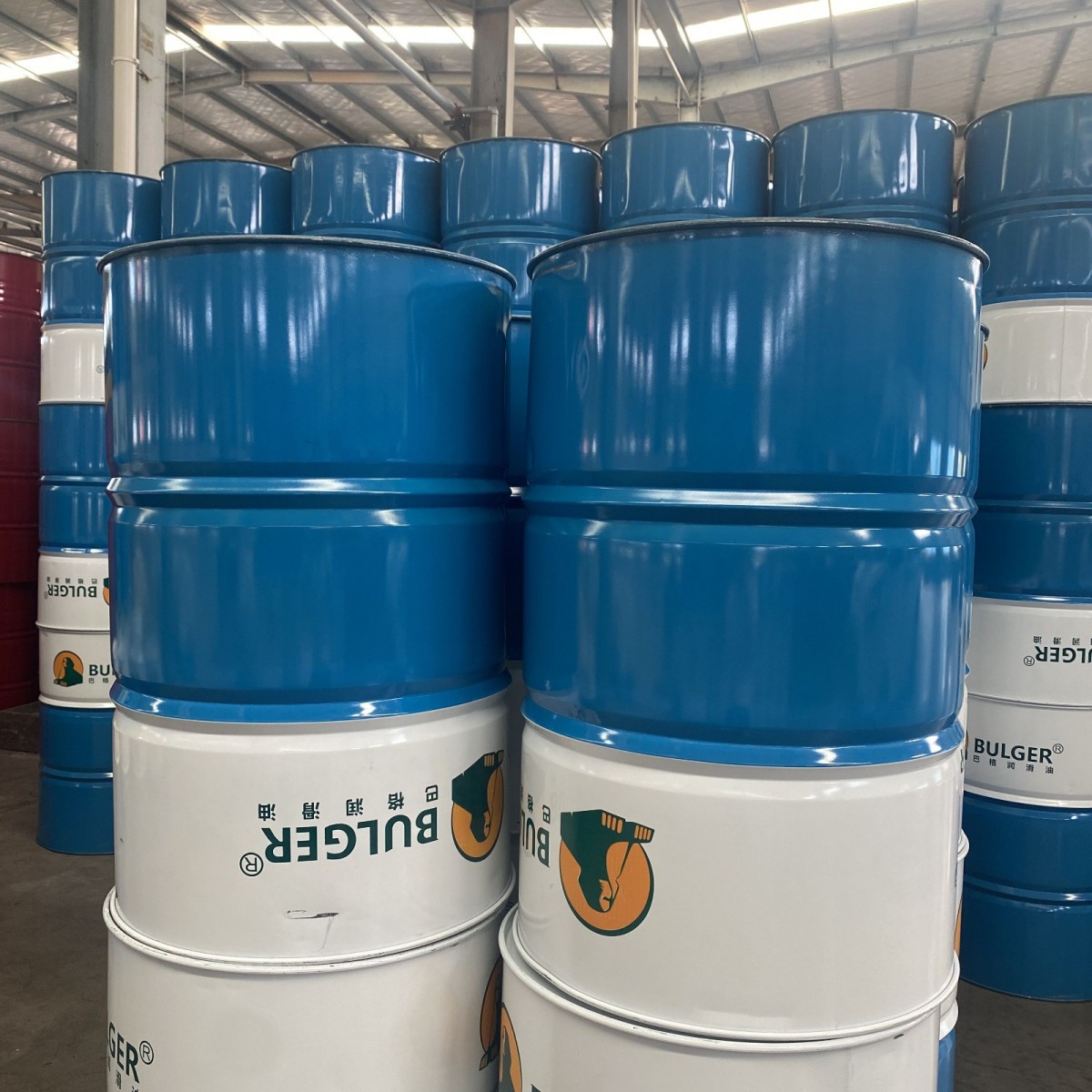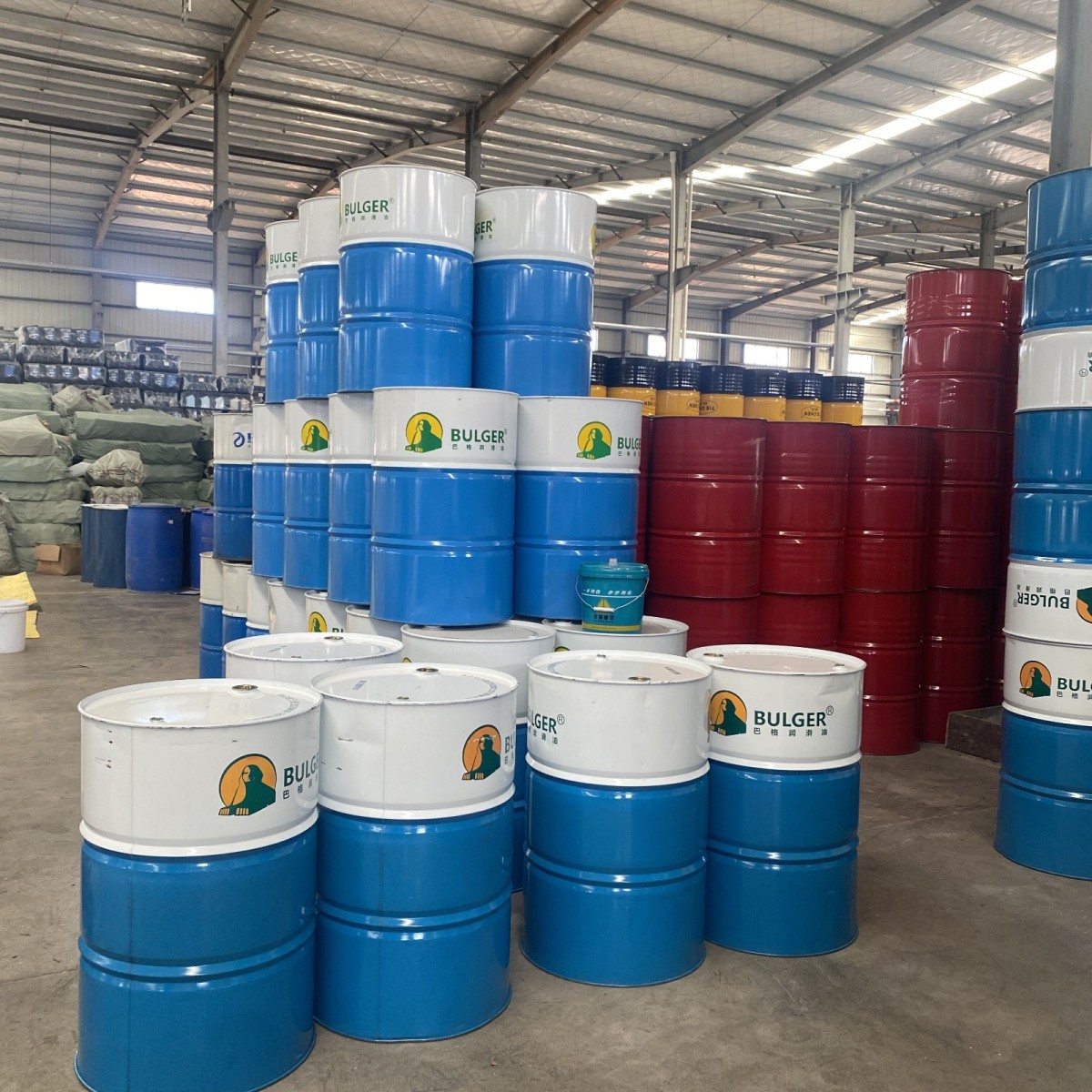




Hydraulic oil is widely used in major machinery, and it is recognized by most mechanics.Hydraulic OilAfter a period of use in machinery, it is necessary to replace the oil, even though the new oil should be the same brand and specification as the old oil. However, before changing the oil, the old oil should be completely drained and the system thoroughly flushed. Special attention should be given to areas such as valve bodies and hydraulic cylinders that cannot be drained or flushed. Mixing new and old oil can compromise the quality of the hydraulic oil. In addition to this, factors that can affect the quality of hydraulic oil include:
1. Air: If there is air in the hydraulic oil circuit, when bubbles rise out, they will impact the pipe walls and components, causing cavitation. This can prevent the system from operating normally and, over time, may damage the components.
2. Chemical Reactions: Cleaning agents used to thoroughly clean the fuel tank can cause changes in the chemical properties of the fuel.
3. Water Content in Oil: According to the national standard GB/T1118.1-94, the water content in the oil should not exceed the trace level after testing. If the water content in the oil exceeds the standard, it must be replaced; otherwise, it not only damages the bearings but also causes rust on the surface of the steel parts. This can lead to the emulsification, deterioration, and precipitation of hydraulic oil, hinder the heat transfer of the cooler, affect the operation of the valves, reduce the effective working area of the filter, and increase the abrasive effect of the oil. Therefore, it is essential to choose high-quality hydraulic oil.
4. Oxidation: The operating temperature range for general construction and engineering hydraulic oils is typically 30-80°C. The lifespan of hydraulic oil is closely related to its operating temperature. Experience teaches us that once the working oil temperature exceeds 60°C, every increase of 8°C halves the oil's lifespan, meaning that at 90°C, the oil's lifespan is about 10% of what it is at 60°C. This is due to oxidation of the oil.
5. Impurities: Impurities not only wear down various moving parts but can also disrupt the normal operation of the entire system once they get stuck in the valve core or other moving components, leading to machine malfunctions.