
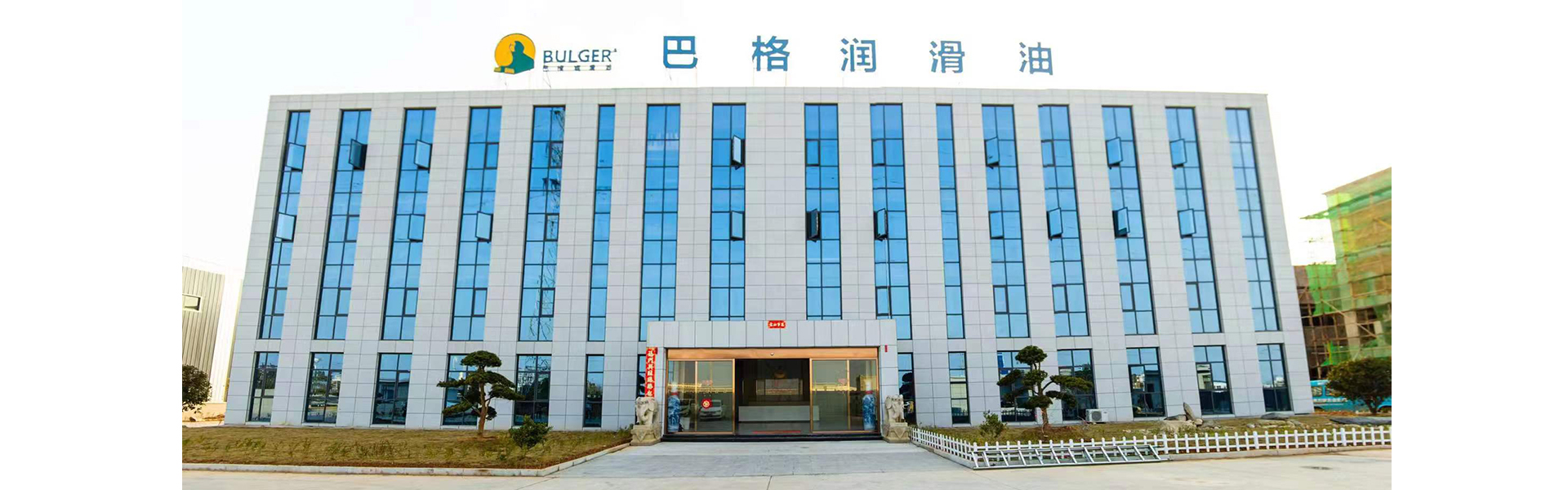
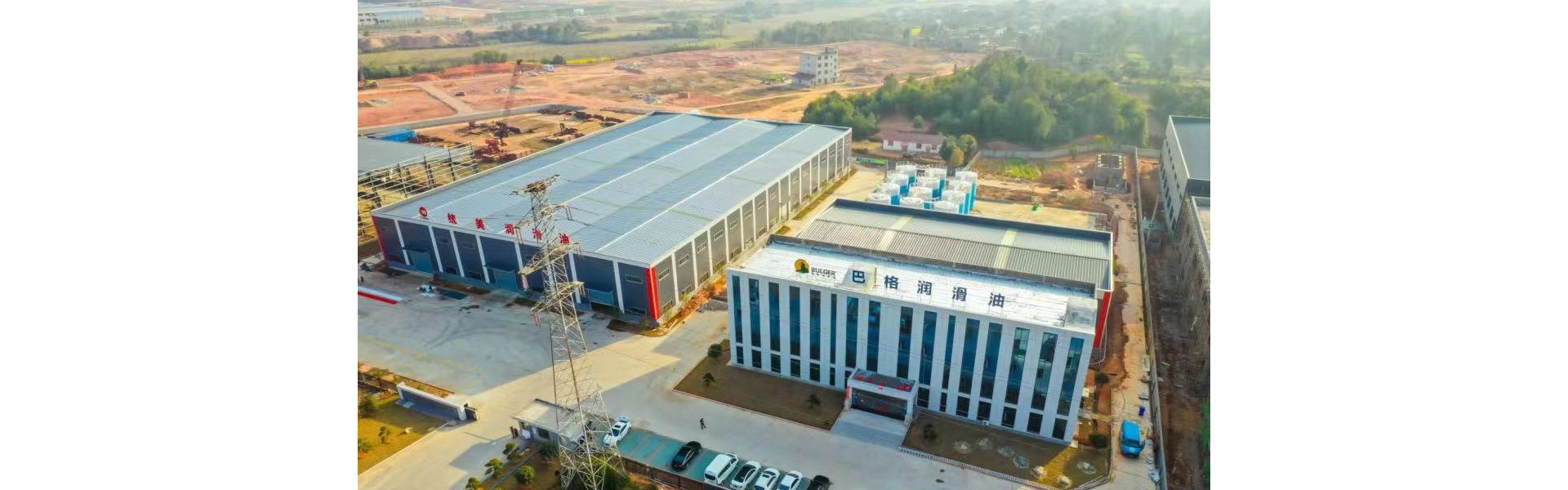

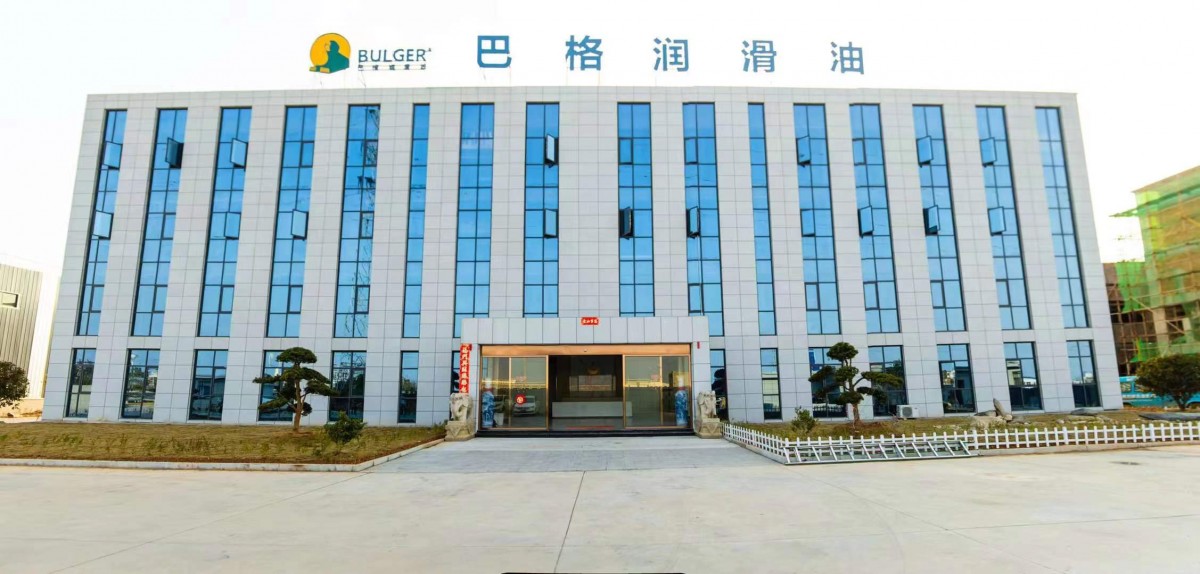
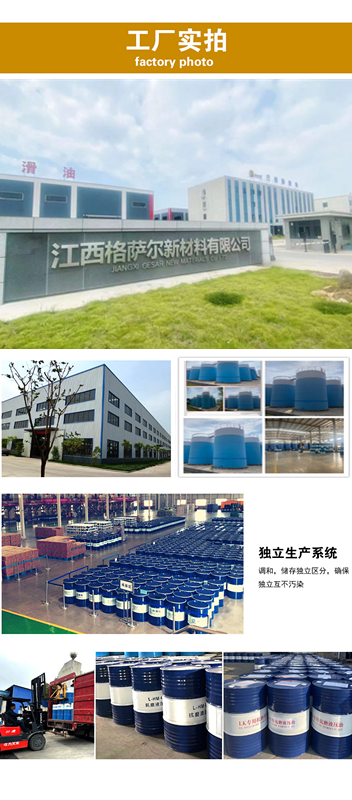
Headquartered in Bag Lube Technology Group Co., Ltd., Germany, and with a domestic manufacturing base in Jiangxi Bag Lube Technology Co., Ltd., located at No. 169, South Ring City Road, Fengxin Economic Development Zone, Yichun City, Jiangxi Province; the group also includes Chongqing Bag Technology Co., Ltd. and Jiangxi Gesar New Material Co., Ltd.
The company initially established a working laboratory in Shanghai, providing technical support to numerous lubricant suppliers. Over time, it expanded from a single R&D model to a multi-faceted business model encompassing technology, production, and sales, with the laboratory as its solid foundation. This led to the gradual expansion of its business scope. In 2013, Chongqing Bagu Technology Co., Ltd. was founded, followed by the establishment of the Jiangxi Bagu Lubricant Technology Co., Ltd. production base in 2016, and Jiangxi Gesar New Material Co., Ltd. in 2020.
Jiangxi Bagu Lubrication Technology Co., Ltd. boasts an independent R&D team, including 1 postdoctoral fellow, 2 doctors, and 5 masters. We utilize additives and base oils from international brands like Chevron in the U.S. and GS in South Korea to independently develop specialized lubricants under the Bagu brand that meet various market demands. Since its establishment, the company has focused on lubrication solutions, on-site lubrication management, and full-factory lubrication contracting projects in the industrial manufacturing sector, rapidly growing into a thriving enterprise. Additionally, we have a dedicated after-sales service team that adheres to the market service philosophy of "concerning customer worries before our own, and rejoicing in customer joy." With our technology and expertise, we alleviate customer concerns and provide end-to-end services, truly safeguarding our customers' interests.

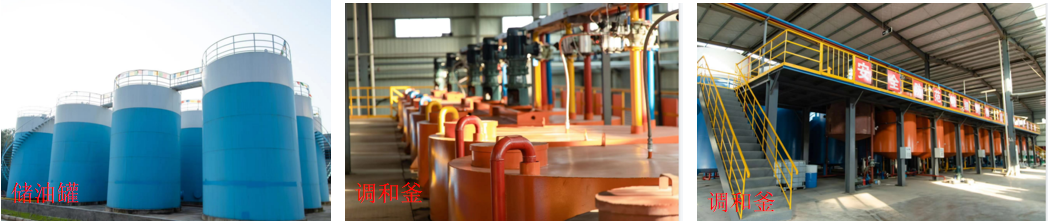
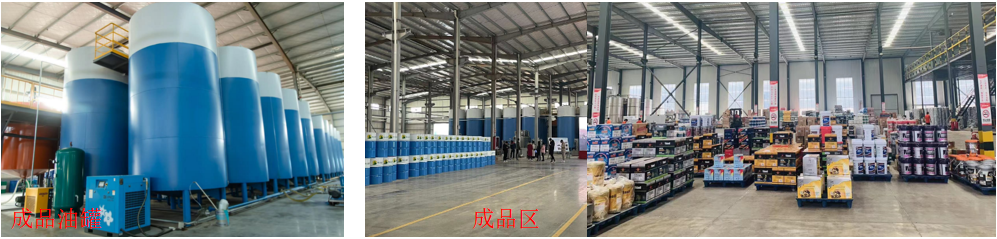
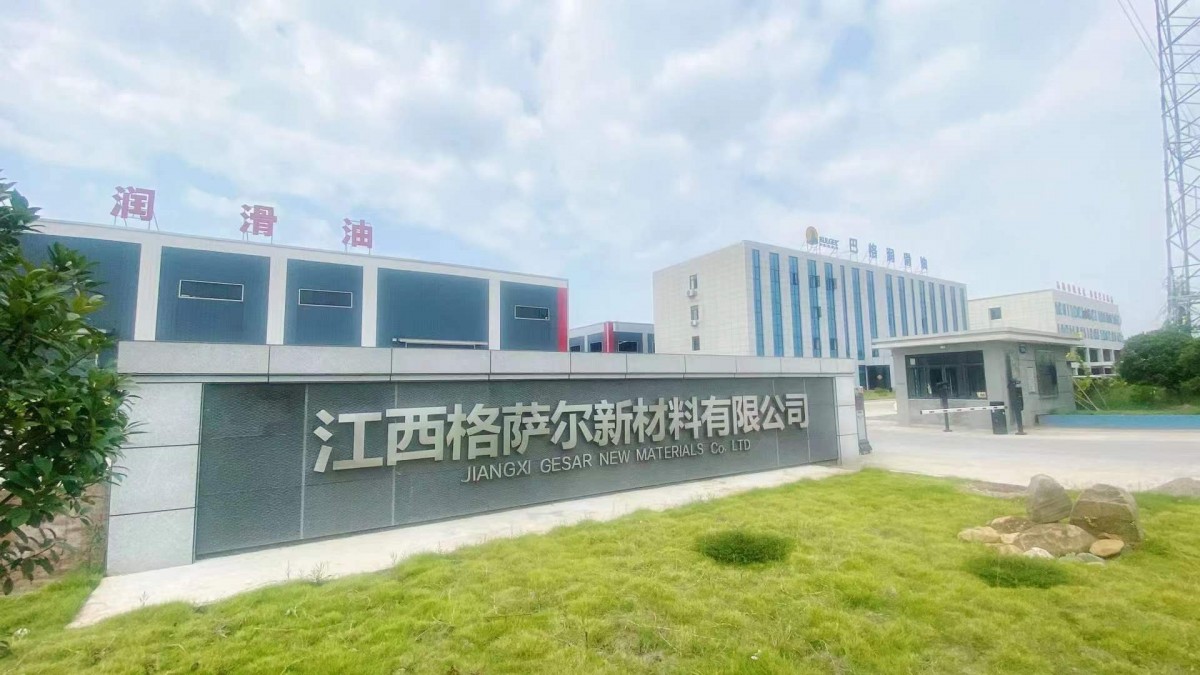
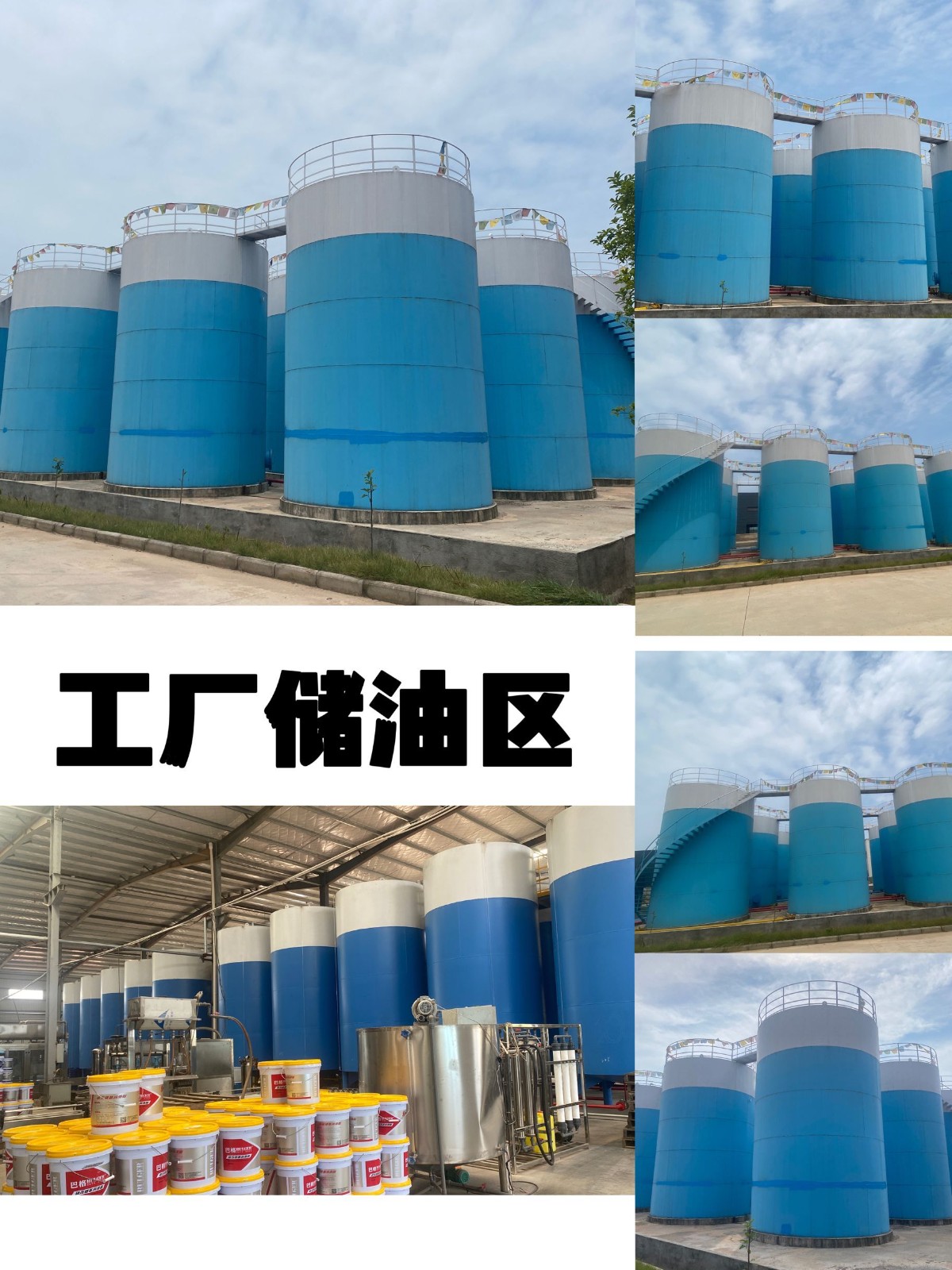
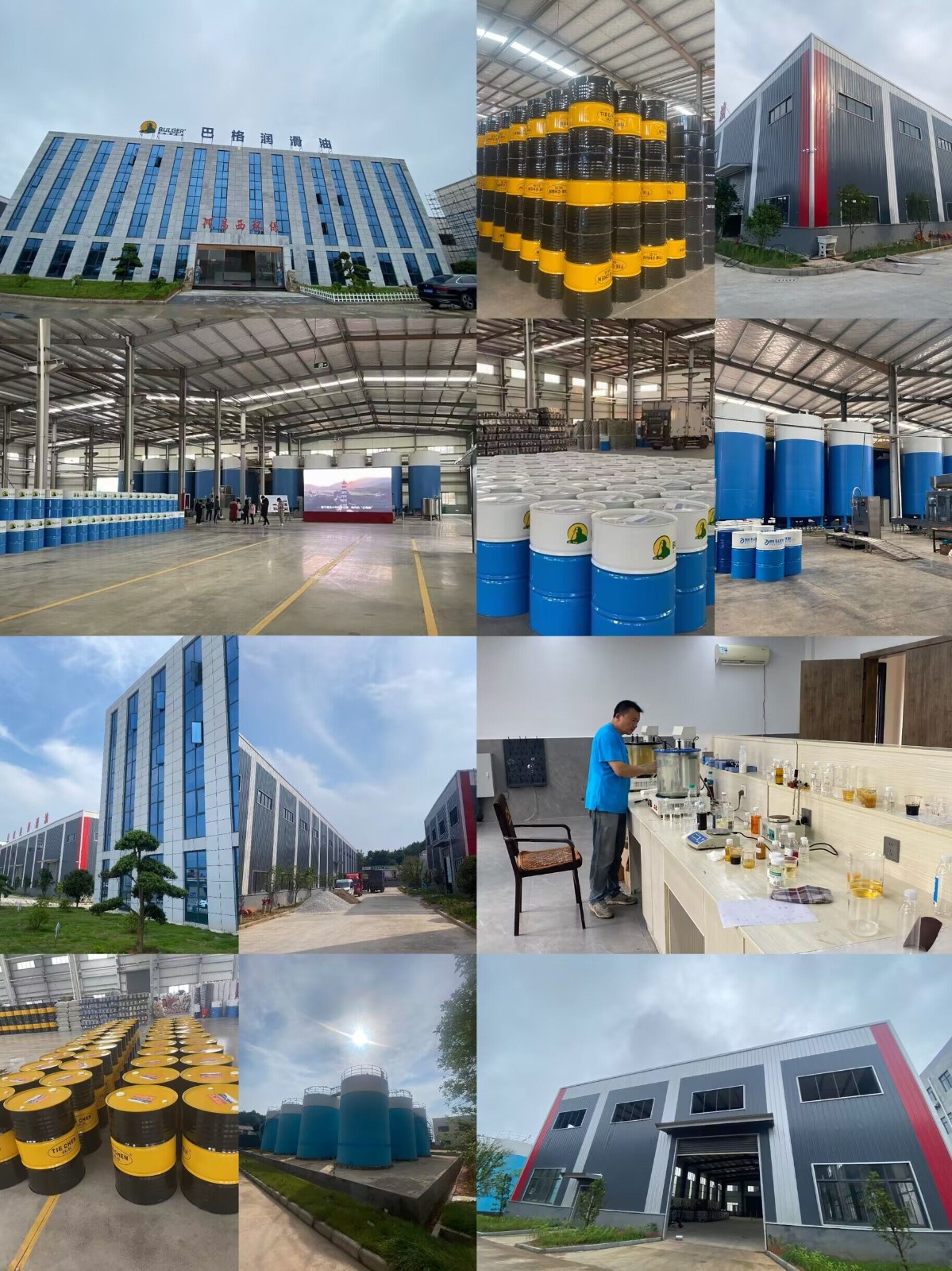
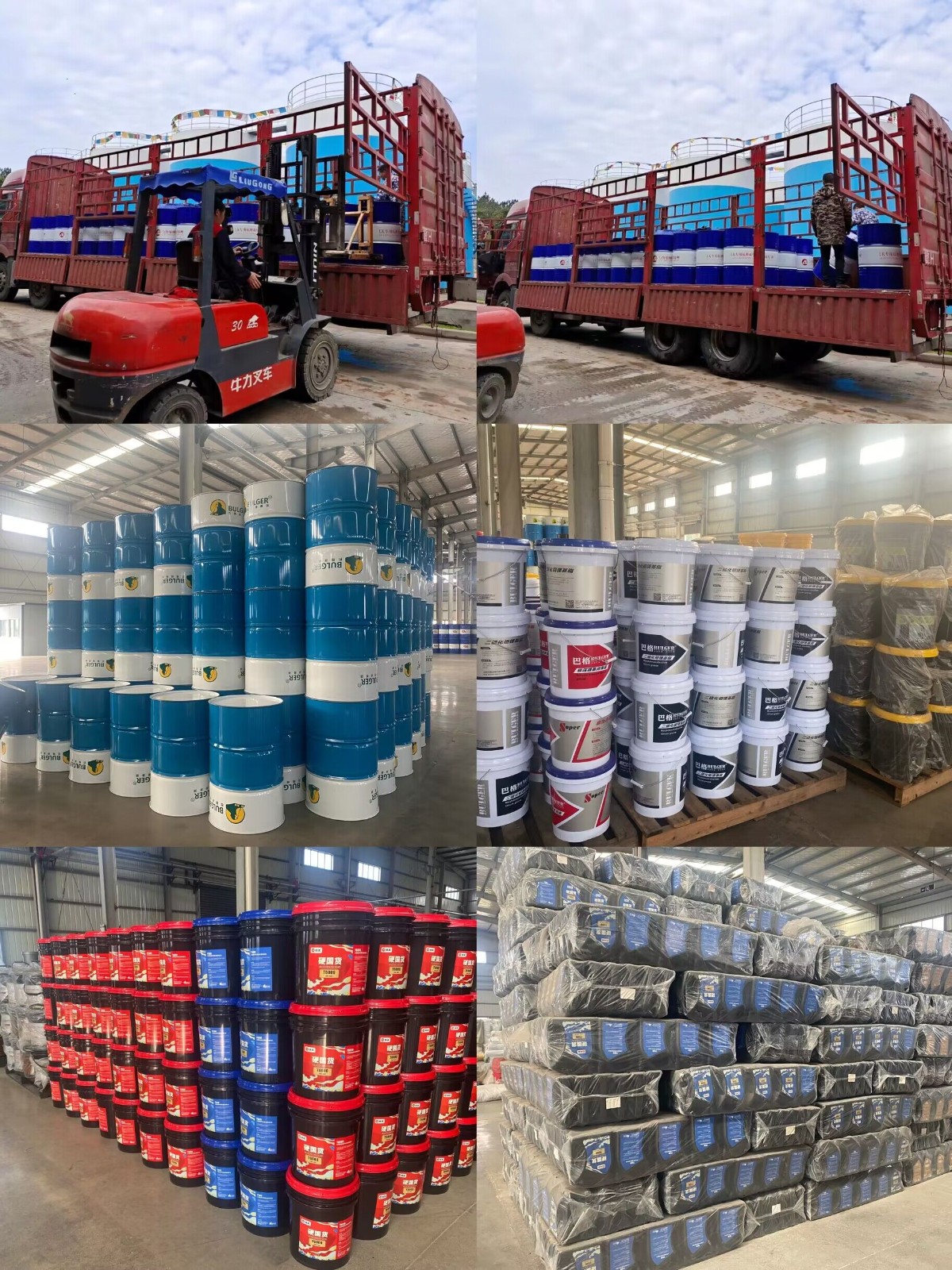
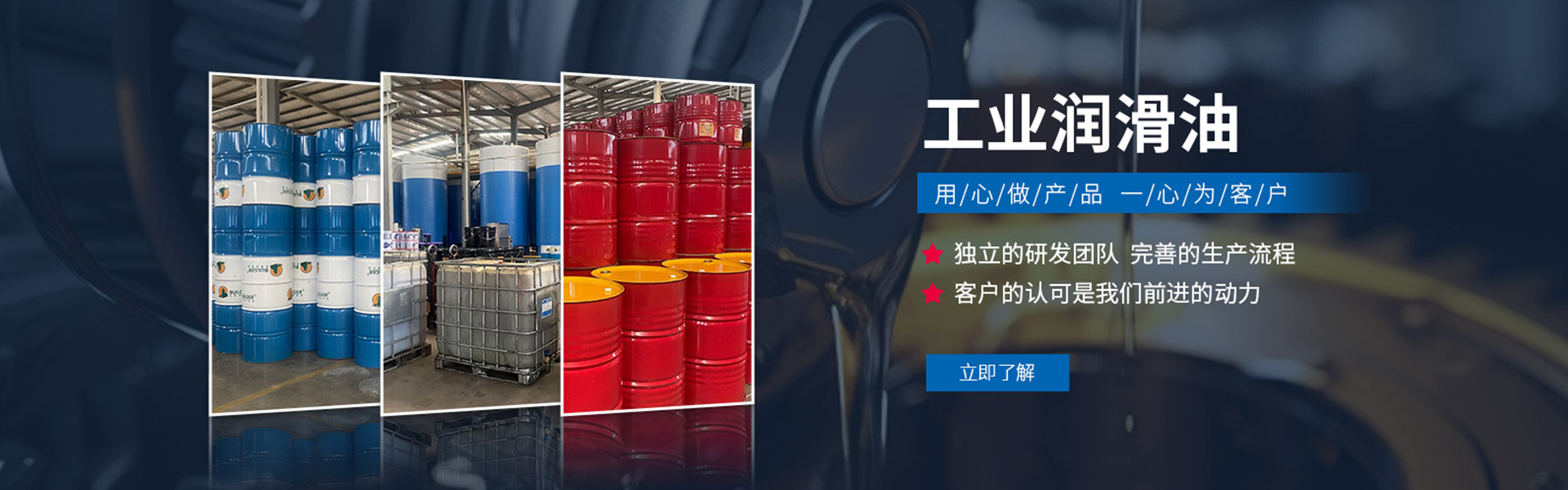
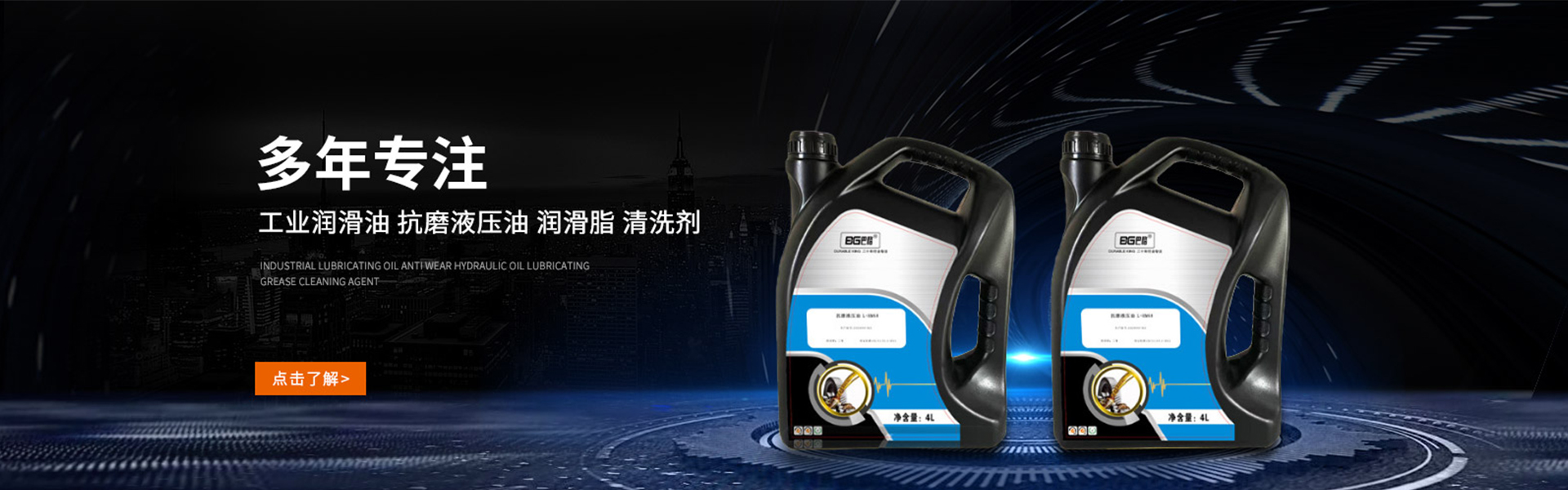
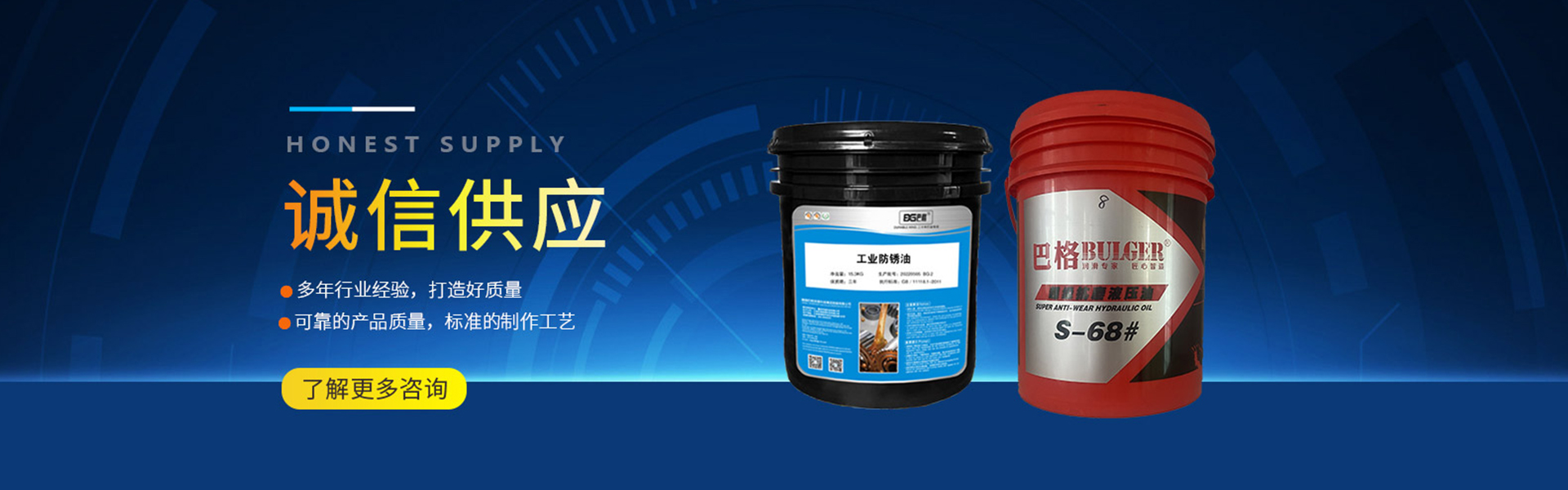
Our main products include: construction machinery oils, industrial lubricants, greases, cleaners, marine oils, metalworking oils/liquids, a full range of rust preventatives, and customized oil products for special customer needs. As a manufacturer providing OEM services, we focus on multi-model sales across the country and aim to establish a national lubricant intelligence manufacturing base.
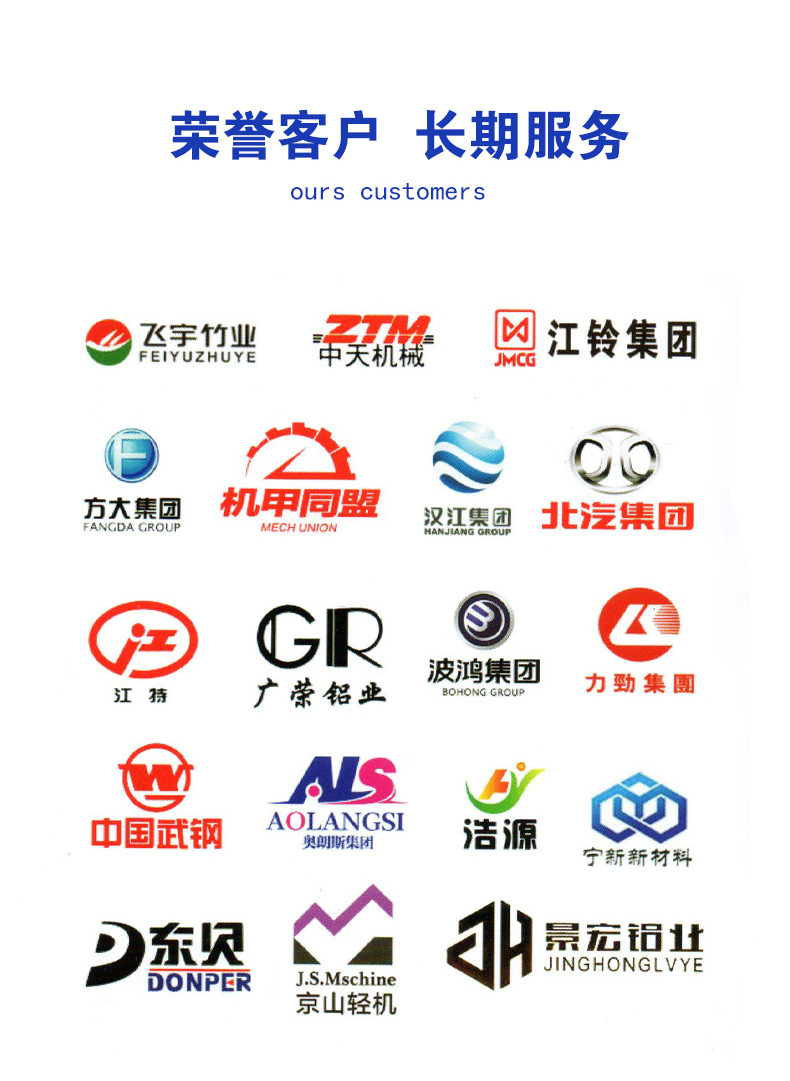
Jiangxi Bagu Lubrication Technology Co., Ltd. has established partnerships with over 50 strategic customers, including Beijing Automotive Group, Wu'an Iron and Steel Group, Dongbei Group, Hanjiang Group, Jiangte Group, Pinggang, Fangda Special Steel, and Jiugang, among others. The company now serves more than 500 OEM clients.
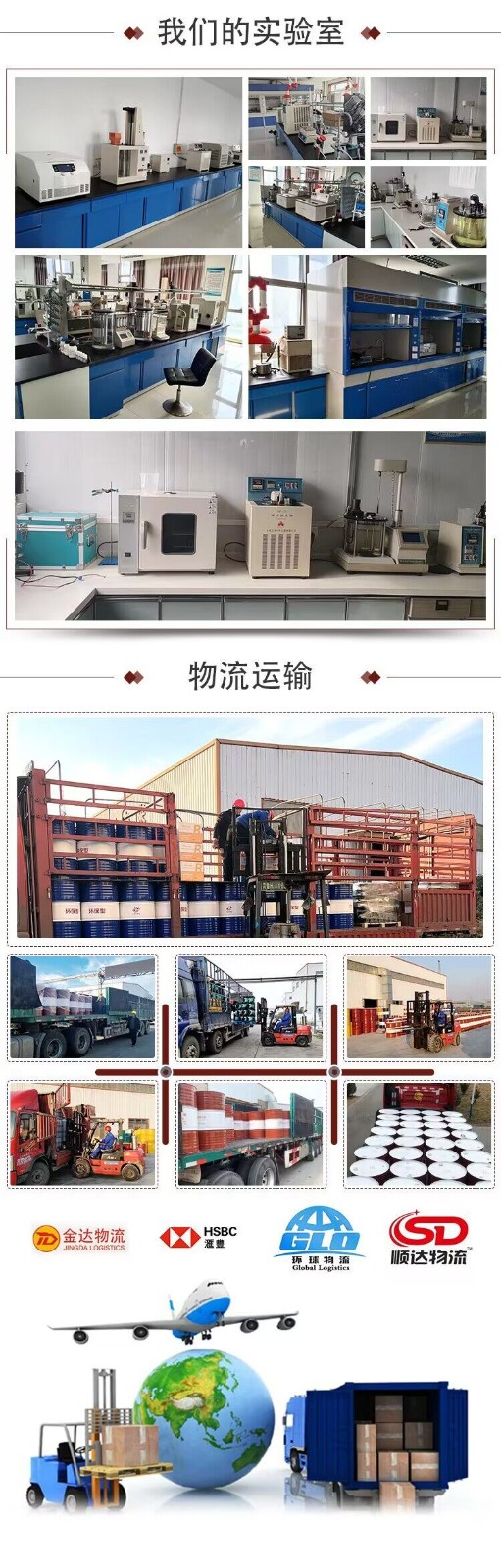
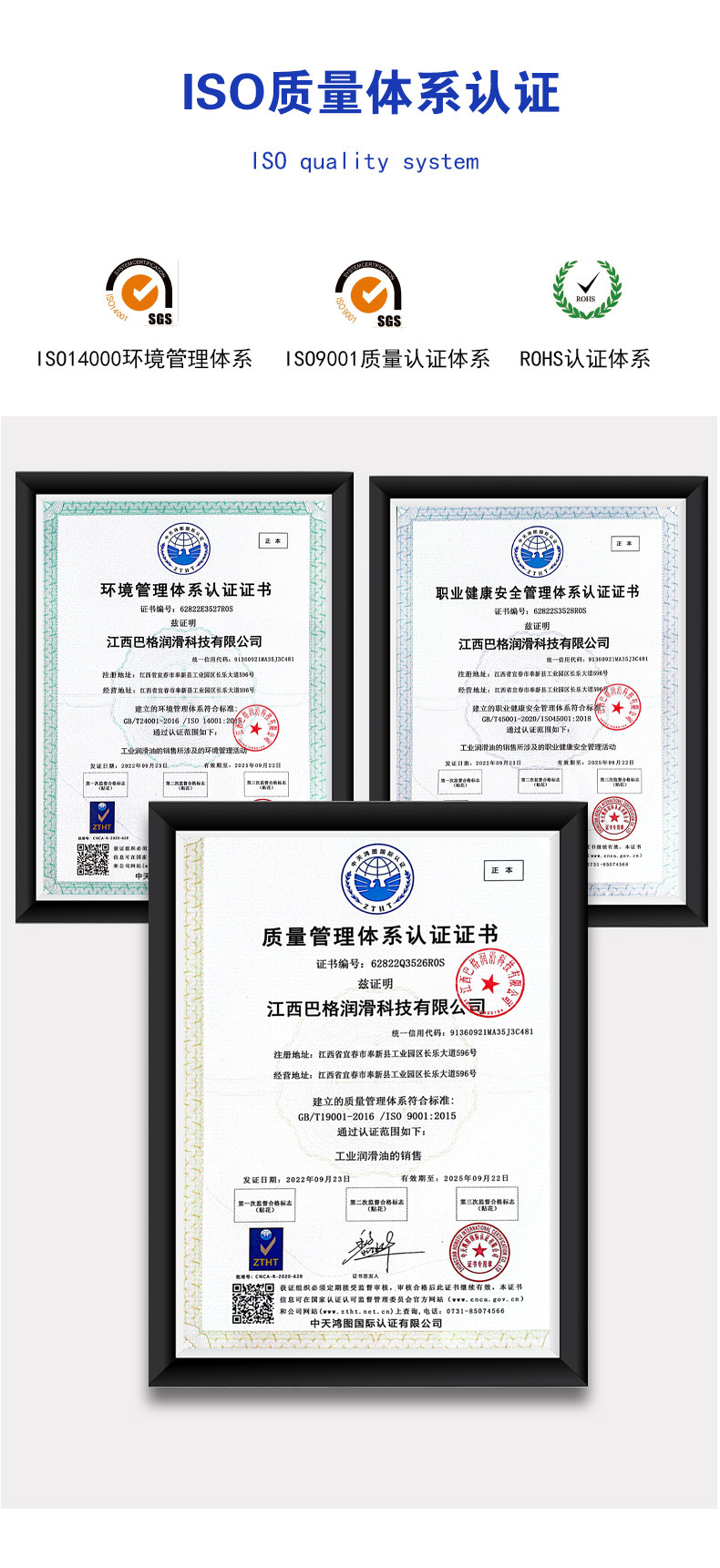
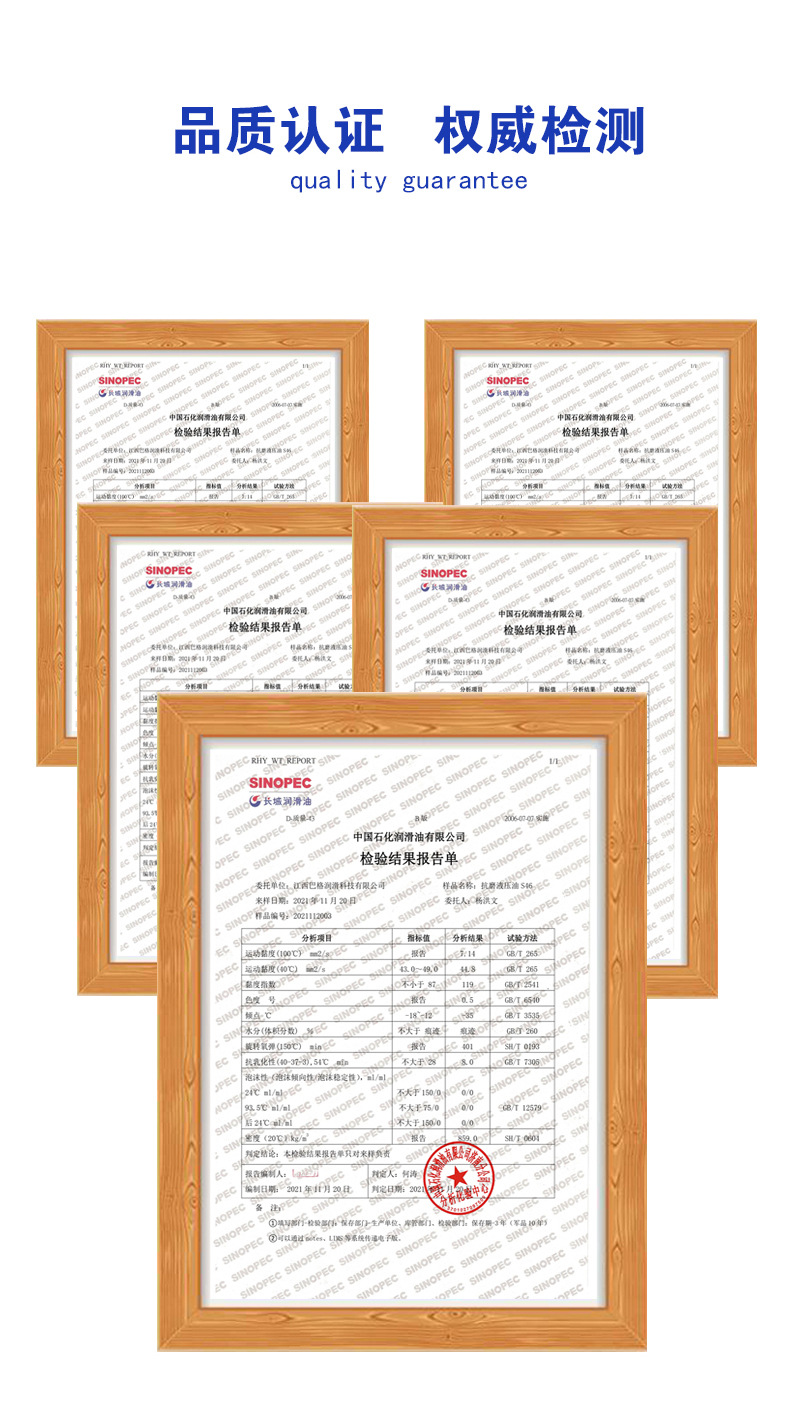
Quality Assurance: Every lubricant product from our company has undergone rigorous product inspections and evaluations by authorized third-party national laboratories. The technical and physical-chemical specifications of our lubricants have been fully verified.
The company embarks on its journey with visionary market thinking and a high starting point. Committed to joining forces with all our partners, we aim to contribute to the lubricant industry's growth, build a platform rich in cultural heritage and influence, and create a beautiful home for Bagu. Let's move forward together, crafting a brilliant future!
A lubricant product is formulated from base oils and additives, guided by specific technical formulas. But where does the base oil come from? You often hear about national standard base oils and non-standard base oils; what are the differences between them? Why do some customers only need to pay $1800 for a drum (200L) of hydraulic oil, while national standard hydraulic oil can sell for $2600-$2800 per drum?
Base oils are produced from petroleum fractions, commonly referred to as mineral base oils. The transition from crude oil to base oil involves numerous refining processes, such as vacuum distillation, dewaxing, and hydrogenation. Due to variations in equipment, processes, and technology, the quality of national standard base oils and non-standard base oils can differ significantly, as can their prices. In terms of sourcing, the raw materials for non-standard base oils are arbitrary, making their quality unguaranteed. In contrast, the raw materials for national standard base oils are restricted, typically requiring paraffin-based or naphthenic oils. Non-standard base oils, sourced from reconstituted fractions of small refineries, are valued primarily for their low price. As the saying goes, "You get what you pay for." Specifically, the use of non-standard oils poses several notable hazards to equipment:
Compared to standard base oils, non-standard base oils have a higher acid value, and the acidity poses a strong corrosive effect on equipment. Machinery using non-standard oils tends to wear down quickly and consume more oil. Many devices using non-standard oils exhibit pitting on their surfaces, which is the root cause. Therefore, using non-standard oils not only fails to provide protection but may even be detrimental.
2. The low viscosity index and poor viscosity-temperature properties result in high viscosity at low temperatures, causing significant flow resistance. At high temperatures, the oil becomes as thin as water, leading to a thin oil film that fails to provide adequate protection and results in substantial wear on the equipment over extended use. 3. High pour point, due to the absence of dewaxing in the production of non-standard base oil, it solidifies at slightly lower temperatures, exhibits poor fluidity, and is prone to blocking oil lines. 4. Compared to standard base oil, non-standard oil has inferior antioxidant properties, a shorter service life, and is more prone to deterioration, which means the oil change cycle is shortened. Although it may seem cheaper on the surface, the usable time is reduced.
