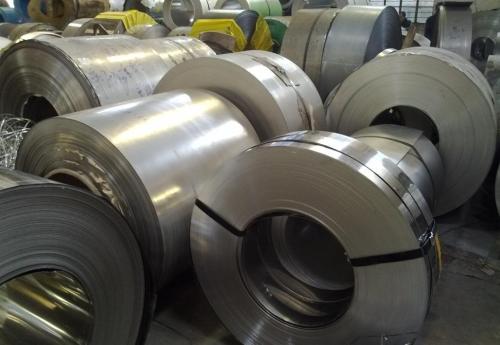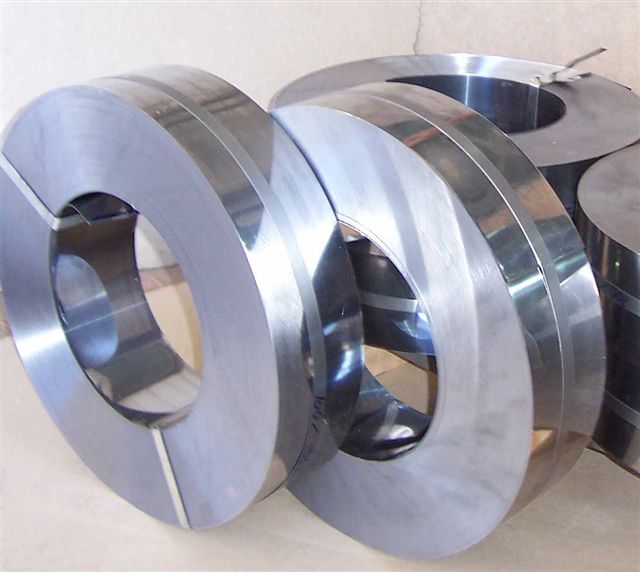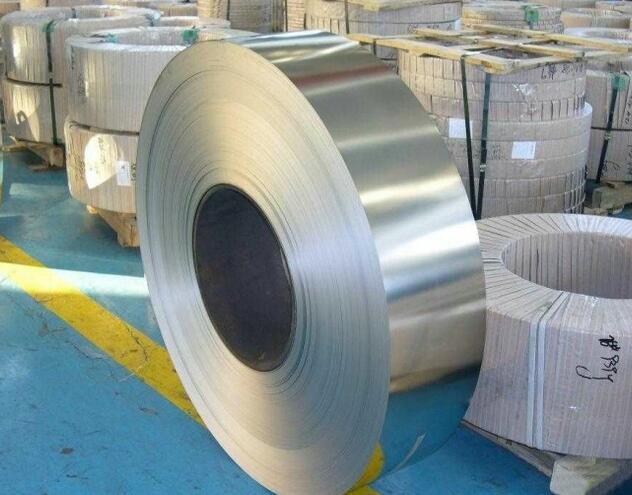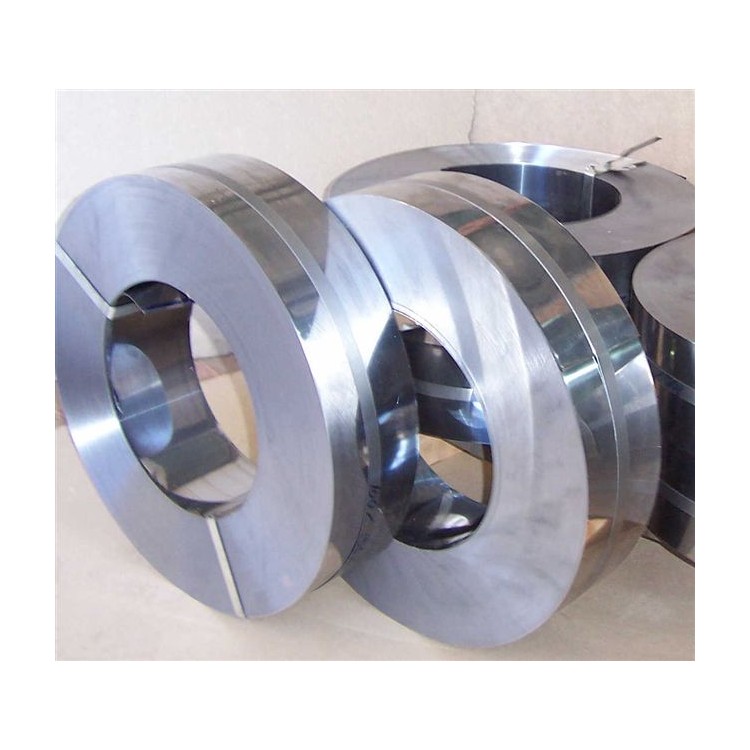
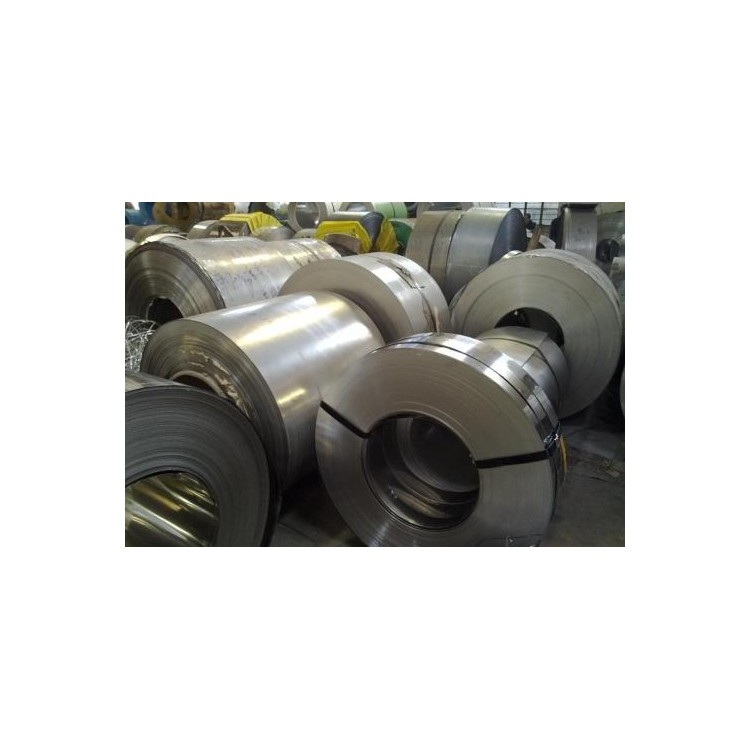
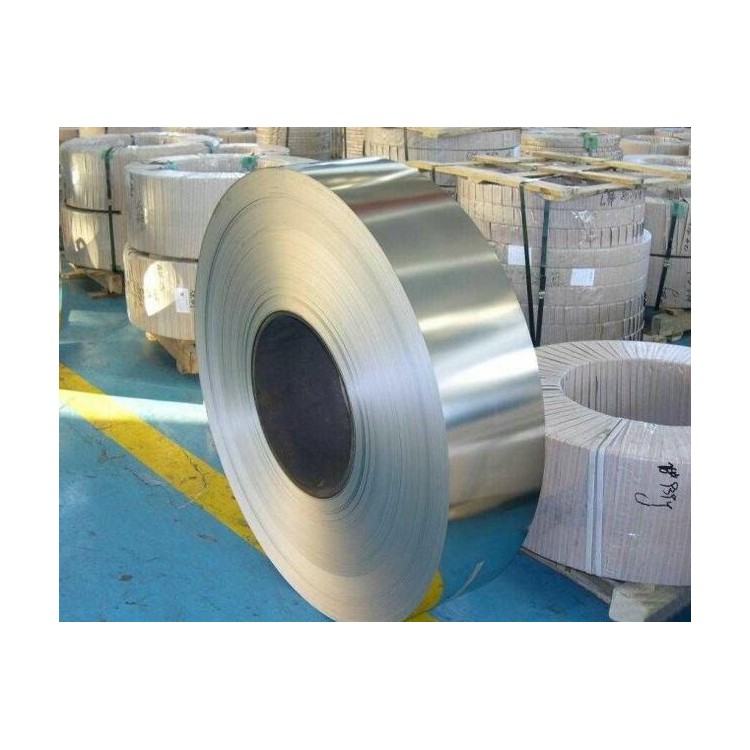
254SMO stainless steel strip in ample stock, available for regular supply
254SMO Chemical Composition, 254SMO Stainless Steel Strip Wholesale Price
The primary chemical composition of 254SMo stainless steel:
Carbon (C) ≤ 0.02
Mn ≤ 1.00
Nickel (Ni) 17.5~18.5
Silicon (Si) ≤ 0.8
Phosphorus (P) ≤ 0.03
Sulfur (S) ≤ 0.01
Chrome (Cr) 19.5~20.5
Copper (Cu) 0.5~1.0
Molybdenum (Mo) 6.0~6.5
International Standards: UNS S31254, DIN/EN 1.4547, ASTM A280, ASME SA-240.
GuoShuo's 254SMo stainless steel offers excellent high-temperature resistance, ductility, and weldability. Below, GuoShuo introduces its superior properties:
1. Extensive field tests and broad usage experience demonstrate that even at slightly higher temperatures, 254SMO exhibits excellent resistance to crevice corrosion in seawater, a property found in only a few types of stainless steel.
2. The corrosion resistance of 254SMO in acidic solutions and oxidizing halide solutions, required for paper bleaching production, is comparable to that of corrosion-resistant nickel-based alloys and titanium alloys.
3. Due to its higher nitrogen content, 254SMO boasts superior mechanical strength compared to other grades of austenitic stainless steel. Additionally, it exhibits excellent ductility, impact strength, and weldability.
4. The high molybdenum content in 254SMO allows for a higher oxidation rate during annealing, resulting in a rougher surface than standard stainless steel after pickling. However, this does not adversely affect the steel's corrosion resistance.
The 254SMo stainless steel has a wide range of applications and can be used in the following scenarios:
1. Oceans: Oceanic structures in marine environments, seawater desalination, mariculture, seawater heat exchange, etc.
2. Environmental Protection: Flue gas desulfurization equipment for thermal power generation, wastewater treatment, etc.
3. Energy Sector: Nuclear power generation, comprehensive utilization of coal, tidal power generation, etc.
4. Petrochemical Industry: Refining, chemical and engineering equipment, etc.
5. Food Industry: Salt production, soy sauce brewing, etc.
6. High concentration chloride ion environment: Pulp and paper industry, various bleaching facilities.