


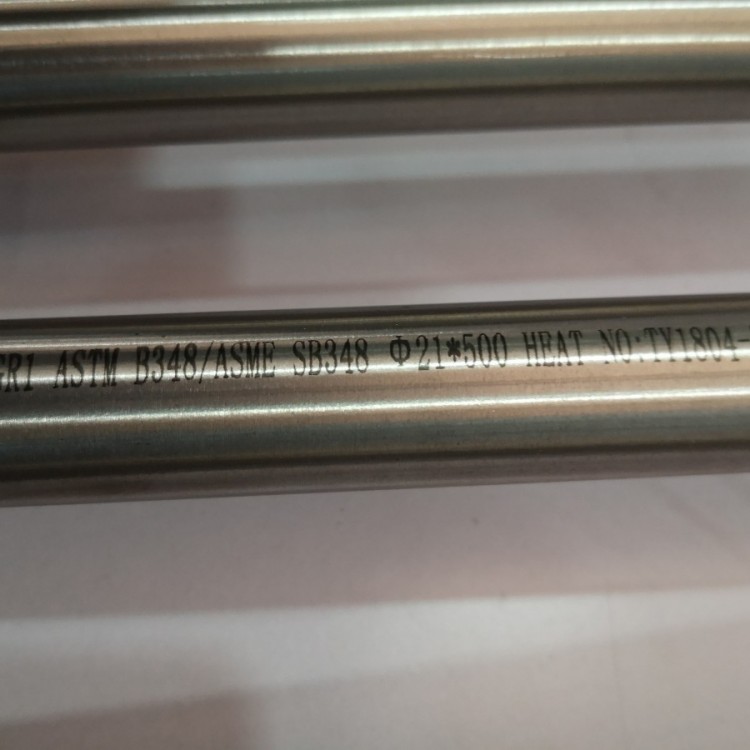
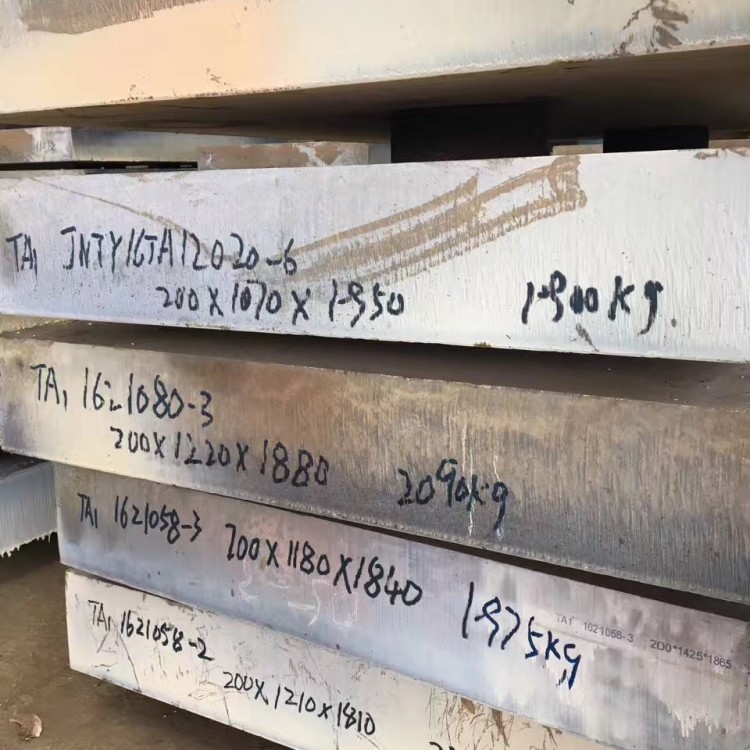
TA1 Titanium Material in abundant supply, ASTM Gr1 Pure Titanium in stock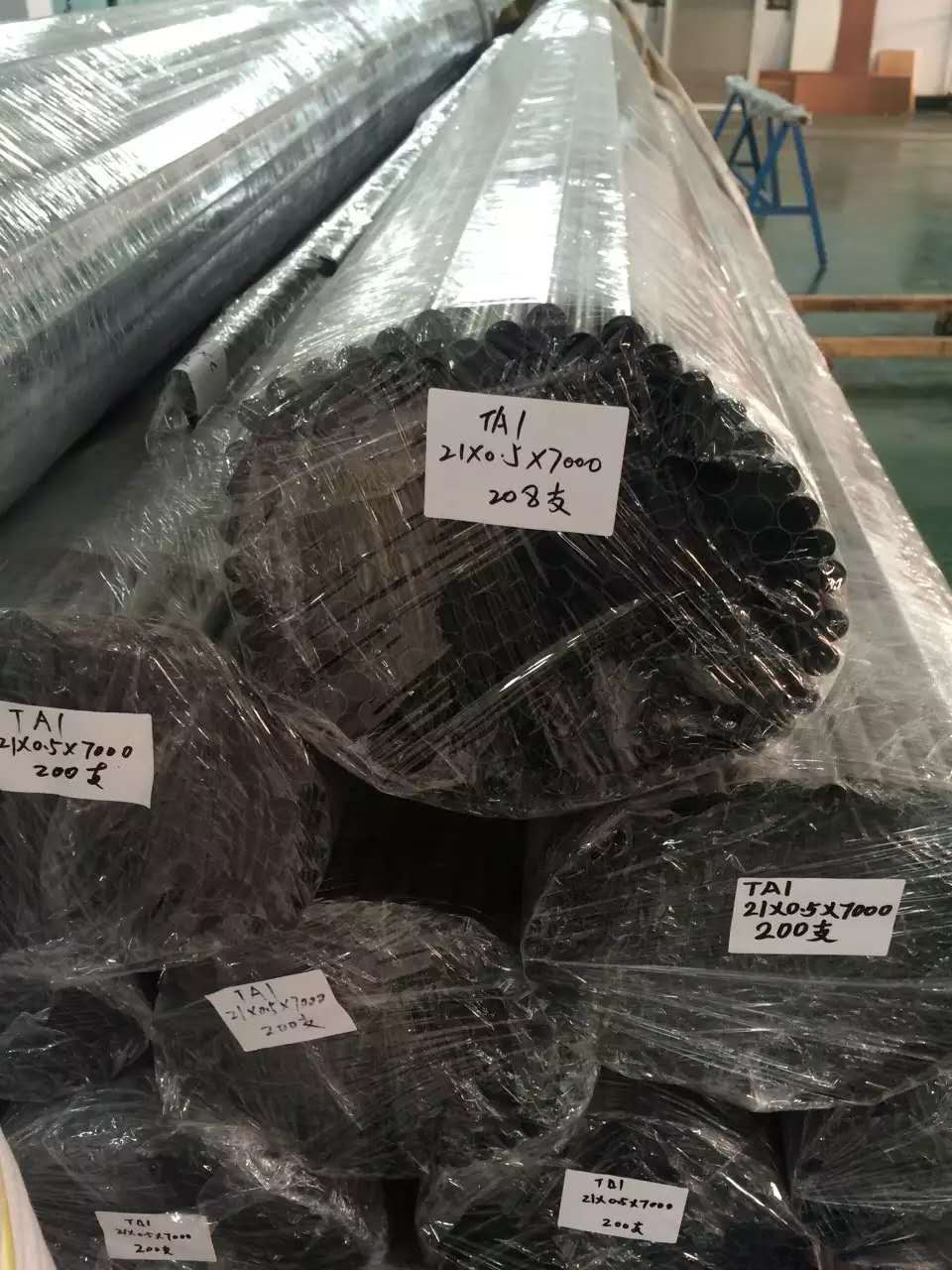
TA1 Titanium Alloy Plate is an industrial grade pure titanium sheet, offering affordable pricing and timely delivery!
Industrial Pure Titanium: Industrial pure titanium has a higher impurity content than chemical pure titanium, resulting in slightly higher strength and hardness. Its mechanical and chemical properties are similar to stainless steel. Pure titanium is stronger than titanium alloys and has better oxidation resistance than austenitic stainless steel, but lower heat resistance. The impurity content increases in order of TA1, TA2, TA3, with mechanical strength and hardness increasing accordingly, but plasticity and toughness decreasing sequentially.
Gr.1 titanium alloy belongs to the α alloy category. Titanium alloy classification introduced by Guo Zhuo!
Titanium alloys can be divided into three categories based on phase composition: α alloys (α+β) alloys, and β alloys, which are represented by TA, TC, and TB in China, respectively.
1. The α alloy contains a certain amount of elements that stabilize the α phase, mainly consisting of the α phase in a balanced state. The α alloy has a low density, good thermal strength, and excellent welding and corrosion resistance properties. However, it lacks high room temperature strength and is commonly used as heat-resistant and corrosion-resistant materials. The α alloy is typically divided into all-α alloys (TA7), near-α alloys (Ti-8Al-1Mo-1V), and α alloys with a small amount of compounds (Ti-2.5Cu).
2. The (α+β) alloy contains a certain amount of elements that stabilize α and β phases, with the alloy's structure in a balanced state consisting of α and β phases. The (α+β) alloy has moderate strength and can be heat-treated to strengthen it, although its welding performance is poor. The (α+β) alloy is widely used, with the production of Ti-6Al-4V alloy accounting for over half of all titanium materials.
3. β alloys contain a large amount of elements that stabilize the β phase, allowing the β phase to be retained at high temperatures down to room temperature. β alloys are typically divided into heat-treatable β alloys (sub-stable β alloys and near-sub-stable β alloys) and heat-stable β alloys. Heat-treatable β alloys exhibit excellent plasticity in the quenched state and can achieve tensile strengths of 130 to 140 kgf/mm² through aging treatment. β alloys are generally used as high-strength and high-toughness materials. Their drawbacks include high density, high cost, poor welding properties, and difficult machining.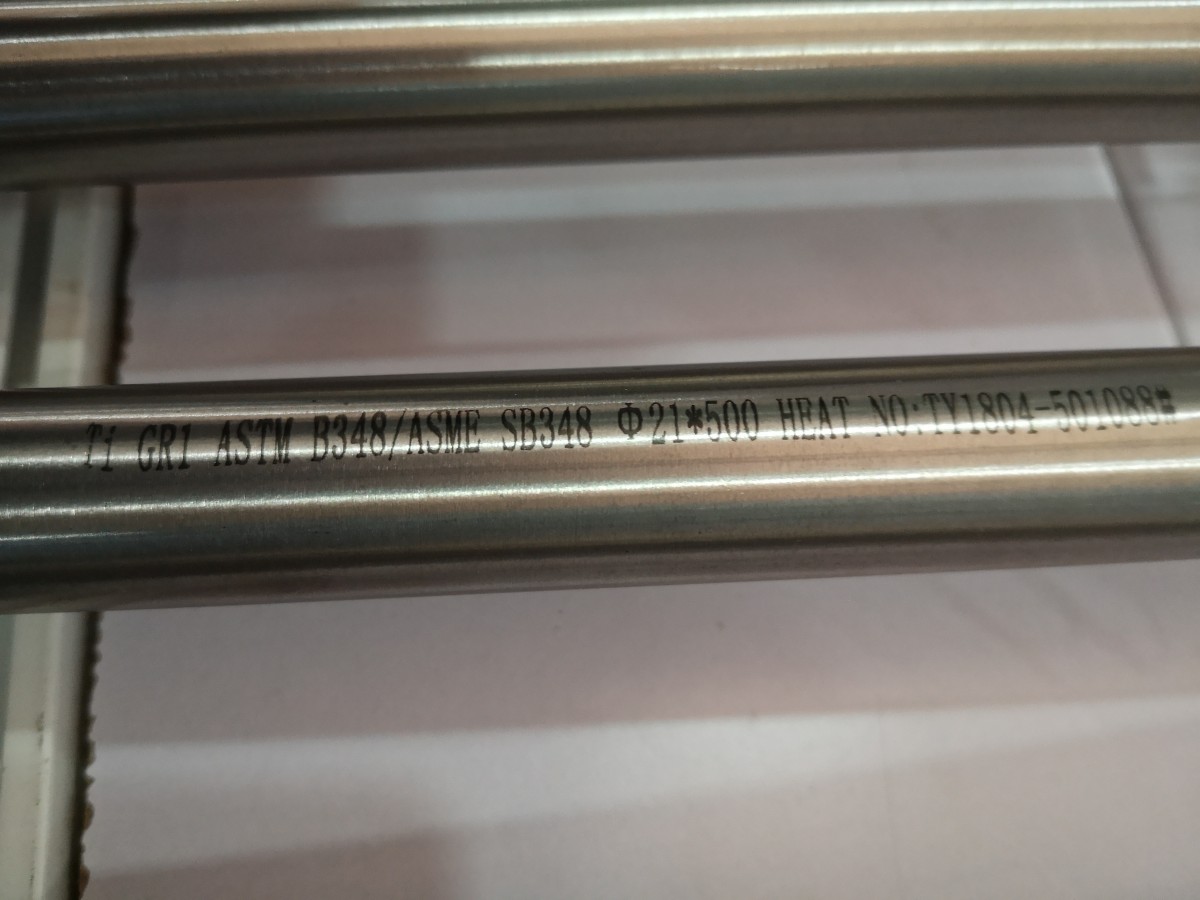
Applications of TA1 Titanium Alloy Sheets:
TA1 titanium alloy plates are primarily used for stamping parts with high plasticity and corrosion-resistant structural components under working temperatures of 350 degrees Celsius or below, where the load is not significant. These include aircraft frames, ship piping, valves, pumps, heat exchangers, distillation towers, coolers, ion pumps, and compressor gas valves. In industry, Ta1 is generally required for high formability, Ta3 for wear resistance and high strength, while Ta2 is widely used for general purposes.
Long-term supply of various models of corrosion-resistant non-ferrous metal alloys. Welcome all new and old customers to call for orders!
