Gr.1 Titanium Alloy in Stock, Direct Supply from TA1 Titanium Material Manufacturer
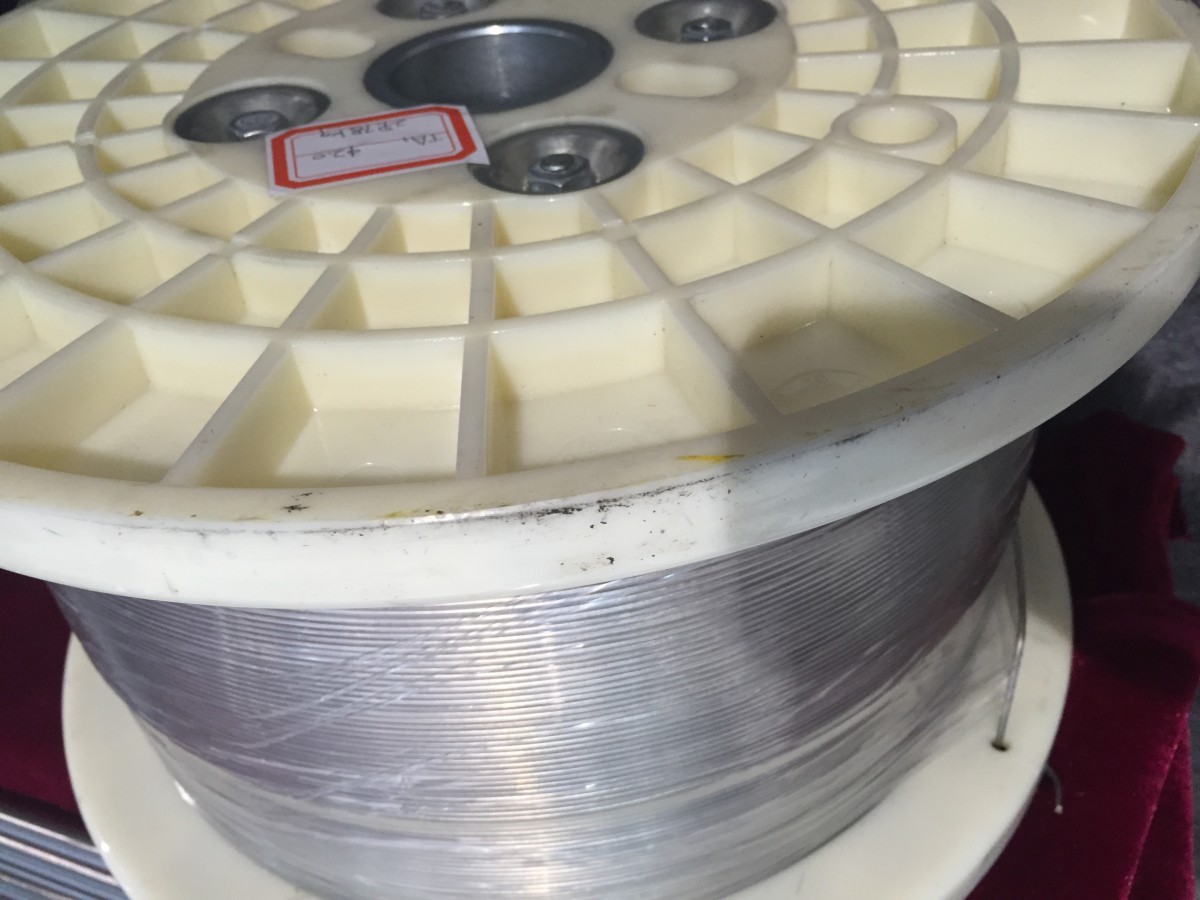
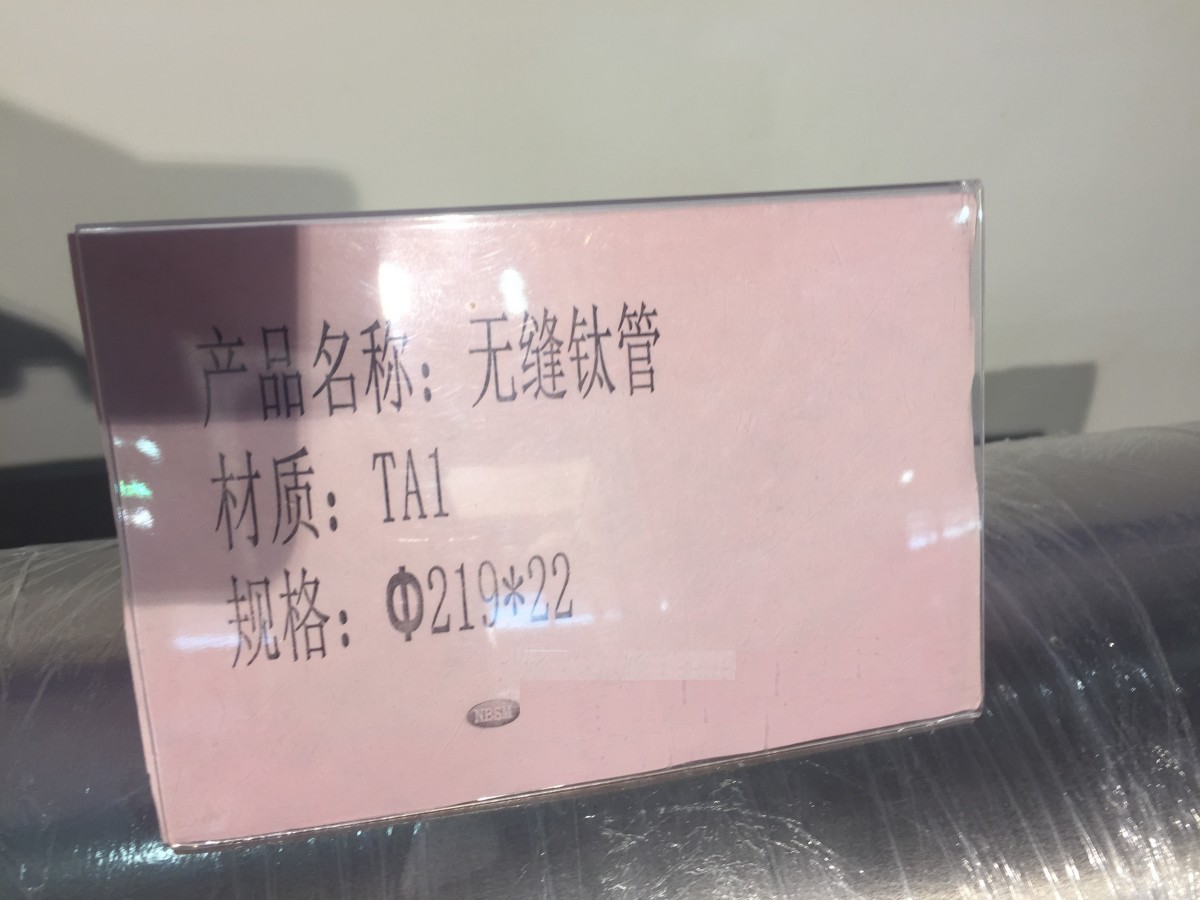
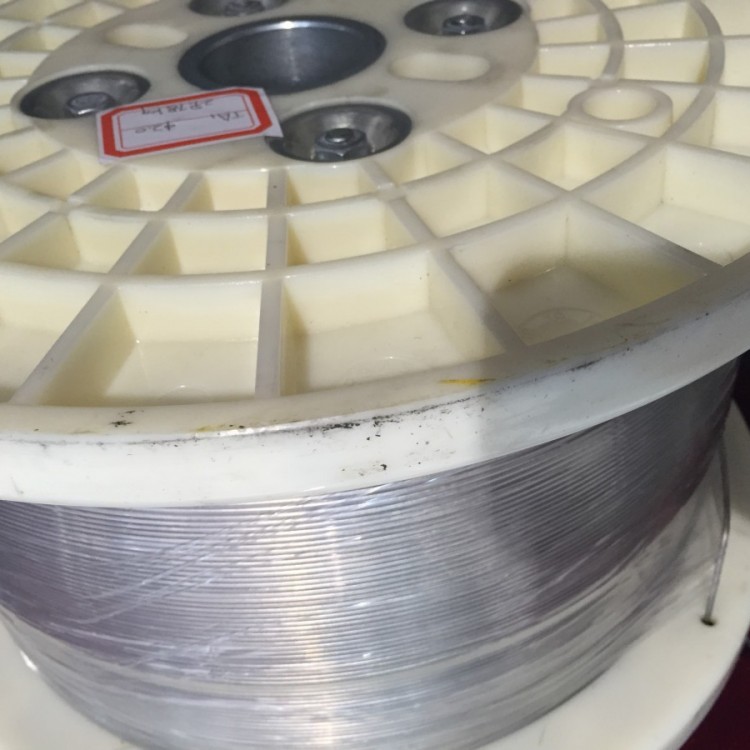
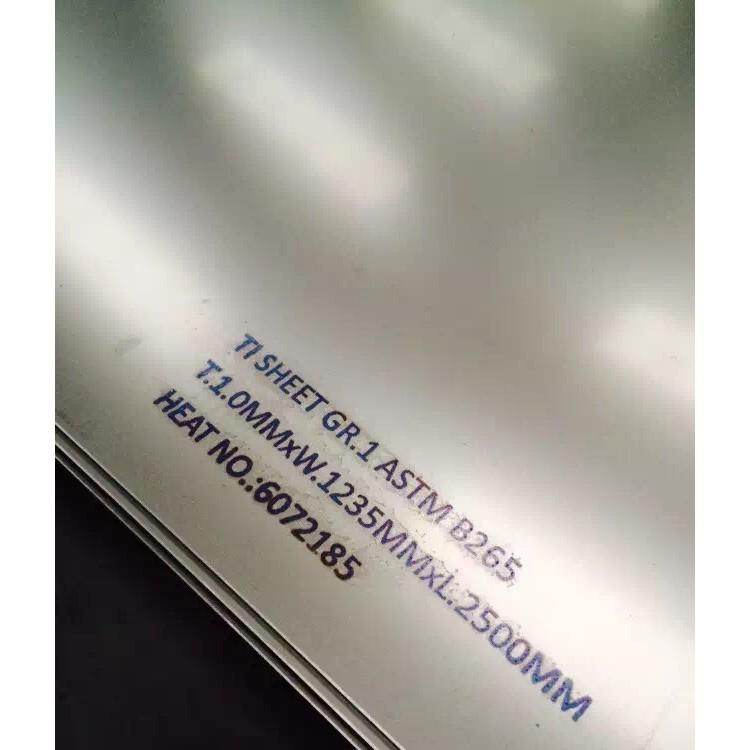
Gaohe produces and sells TA1, which is an alpha titanium alloy, an industrial pure titanium alloy. TA1 boasts high strength, low density, excellent corrosion resistance, and toughness. Its tensile strength ranges from 350 to 550 MPa, with excellent plasticity, making it easy to process, form, and weld. The working temperature of TA1 titanium alloy is around 300°C, with a strength greater than 370 MPa.
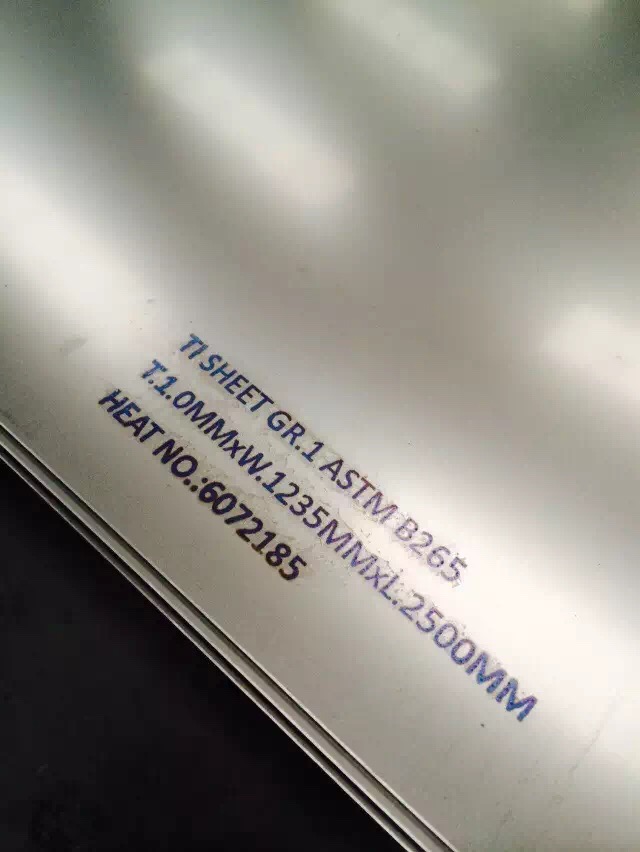
Gr.1 is an alpha titanium alloy, containing elements that stabilize the alpha phase in a certain amount. In a balanced state, it is primarily composed of the alpha phase. Alpha alloys are lightweight, have good thermal strength, excellent weldability, and superior corrosion resistance. Their drawback is low strength at room temperature, and they are commonly used as heat-resistant and corrosion-resistant materials. Alpha alloys can also be further categorized into all-alpha alloys (TA7), near-alpha alloys (Ti-8Al-1Mo-1V), and alpha alloys with a small amount of compounds (Ti-2.5Cu).
Titanium alloys can be divided into three categories based on phase composition: α alloys (α+β alloys) and β alloys, which are respectively represented as TA, TC, and TB in China.
1. Alpha alloys contain a certain amount of elements that stabilize the alpha phase, mainly composed of the alpha phase in a balanced state. These alloys have a low density, good thermal strength, and excellent weldability and corrosion resistance, although their strength at room temperature is low. They are commonly used as heat-resistant and corrosion-resistant materials. Alpha alloys can generally be divided into all-alpha alloys (TA7), near-alpha alloys (Ti-8Al-1Mo-1V), and alpha alloys with a small amount of compounds (Ti-2.5Cu).
2. The (α+β) alloy contains a certain amount of elements that stabilize α and β phases, and in the balanced state, the microstructure of the alloy consists of α and β phases. The (α+β) alloy has moderate strength, can be heat-treated for strengthening, but has poor welding properties. The (α+β) alloy is widely used, with the production of Ti-6Al-4V alloy accounting for more than half of all titanium materials.
3. β alloys contain a large amount of elements that stabilize the β phase, allowing the β phase to be retained at high temperatures down to room temperature. β alloys are typically divided into heat-treatable β alloys (sub-stable β alloys and near-sub-stable β alloys) and heat-stable β alloys. Heat-treatable β alloys exhibit excellent plasticity in the quenched state and can achieve tensile strengths of 130 to 140 kgf/mm² through aging treatment. β alloys are commonly used as high-strength and high-toughness materials. Their drawbacks include high density, high cost, poor welding properties, and difficult machining.
Ganhuo supplies Grade 1 titanium alloy, TA1 titanium material. Welcome to inquire and order!