


- AllProduct Category
-
Antique Book Scanner
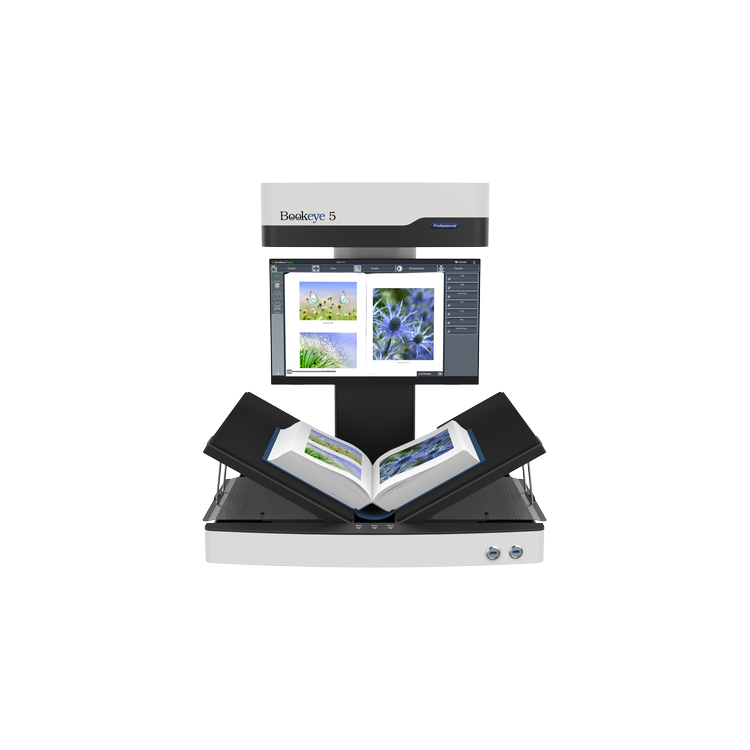
Automatic Page Turn Scanner
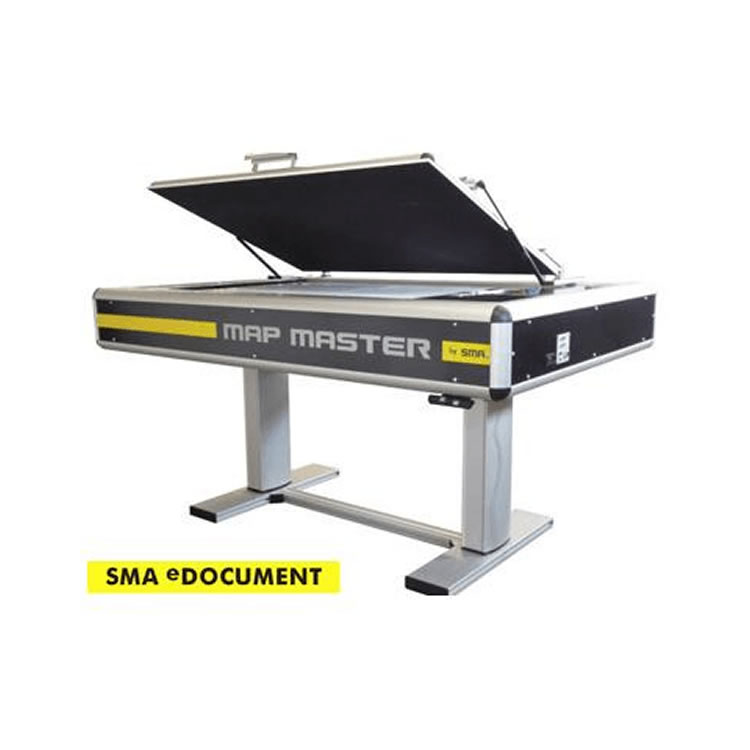
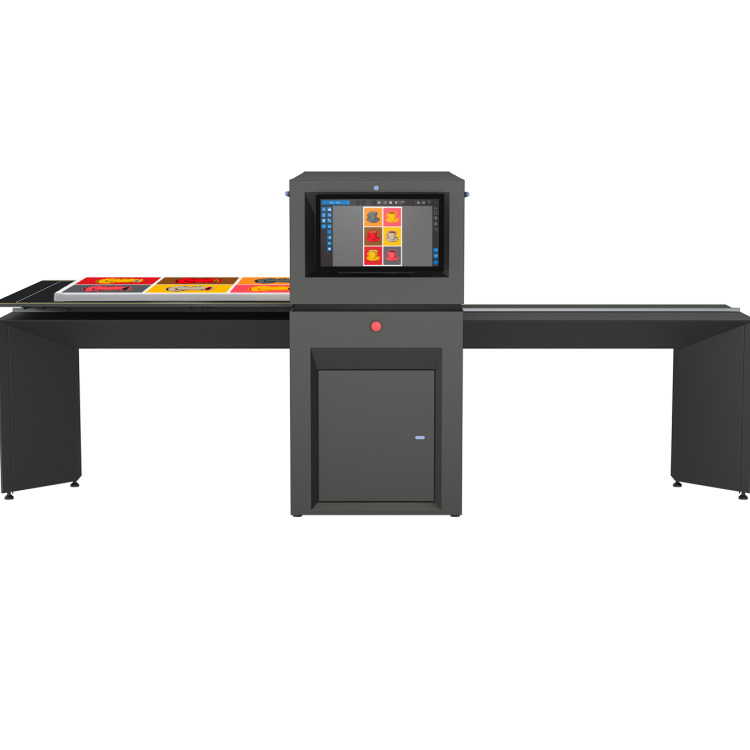
Wide-Format Professional Scanner
Microfilm Equipment
Miscellaneous Professional Systems




详情描述
Fortress Technology (Beijing) Co., Ltd.
Digitizing a printed book involves either retyping the content or scanning the original. For quick scanning, the book must be disassembled into individual pages, which can be done automatically like a photocopier; to maintain the binding without disassembly, the book must be placed under the scanner and manually turned page by page. It was only until recently that the advent of automatic page-turning scanning systems began to change this scenario.
Scanning, once a process associated with digitization, was once categorized under creativity, a craft that takes time to refine, belonging to the realm of the exquisite. With the rapid advancement of digitization, printed materials have "shifted and reversed" to digital data, and it has only been then that scanning has become akin to a production equipment, requiring speed and efficiency. The automatic page-turning scanning system was born under this philosophy. Automatic page-turning is a complex mechanical design; books vary in size, thickness, binding, paper quality, and age. Designing a machine that can handle various types of books is nearly impossible, especially for ancient, fragile texts. Even when placed on an automatic page-turning device, they still require manual, slow page-turning.

Digitizing a printed book involves either retyping the content or scanning the original. For quick scanning, the book needs to be disassembled into individual pages, which can be done automatically like a photocopier; to preserve the binding, the book must be placed under the scanner and manually turned page by page. It wasn't until recent years that the introduction of automatic page-turning scanning systems began to change this situation.
Scanning, once a process primarily associated with the digital realm, has shifted into the creative category. It's a slow process that was once the domain of meticulous craftsmanship. With the rapid advancement of digitalization, printed materials have been "reversed and shifted" to digital data, and it has become apparent that scanning has also become a similar production equipment, requiring speed and efficiency. This concept gave rise to the automatic page-turning scanning systems. Automatic page-turning is a complex mechanical design, as books vary in size, thickness, binding, paper quality, and age. Designing a machine capable of turning pages in books of all types is nearly impossible. For instance, ancient books with fragile paper, despite being placed on an automatic page-turning device, still require manual, slow page-turning.
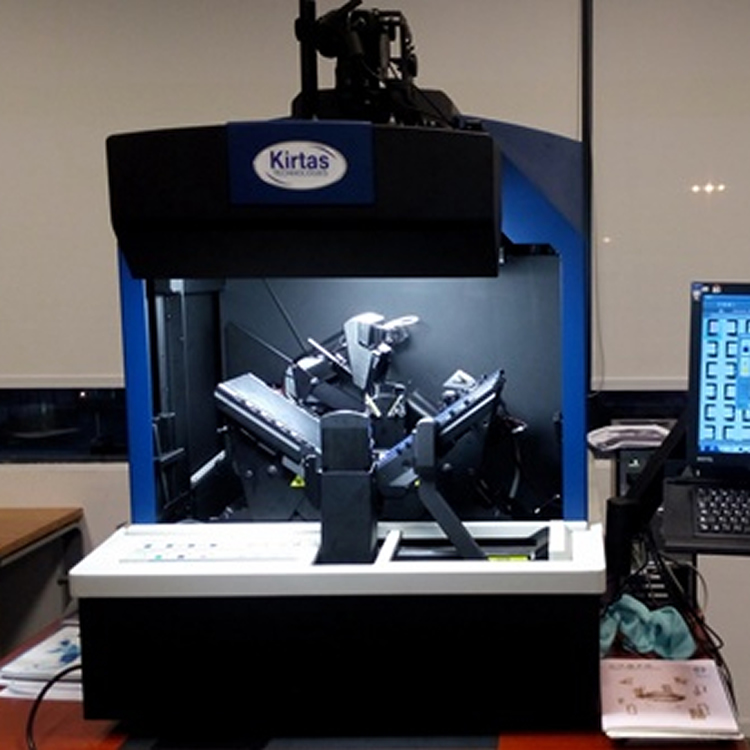
KABIS全自动 Ancient Book Scanning Robot

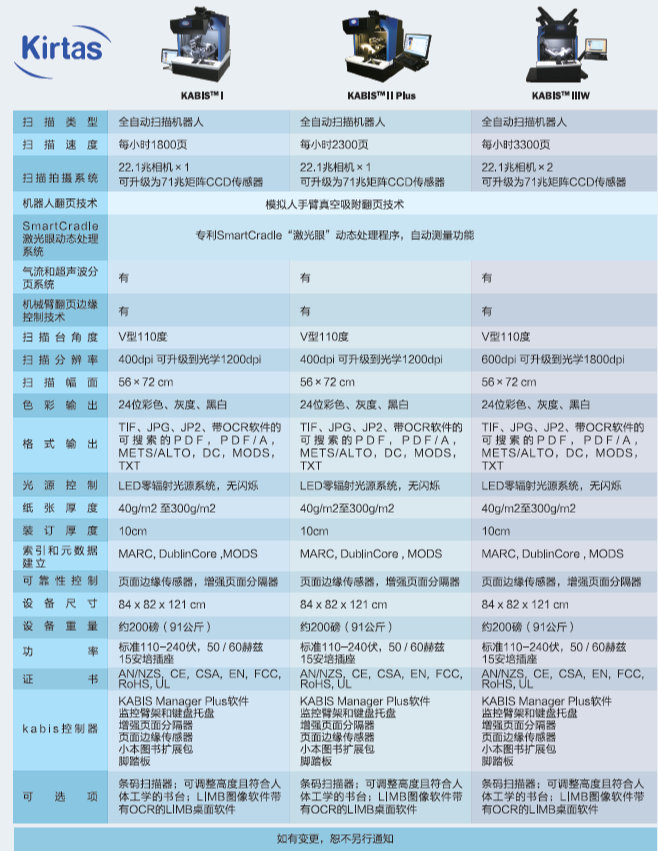
KABIS is a groundbreaking scanning robot product from Kirtas, a U.S.-based leader in fully automated robot manufacturing. Its lifelike robotic arm vacuum page-turning technology is even gentler than human hands. It significantly reduces damage to precious originals from human contact. With a high-speed, fully automatic scanning rate of up to 3,000 pages per hour, and an industrial-grade design that operates 7x24 without downtime, it can withstand high-speed and intense digitization tasks. KABIS will join you in advancing into the Digital 4.0 era.
The powerful fully automatic scanning control system incorporates additional automation features, processing images, OCR recognition, and fully automatic indexing of book case metadata with minimal intervention and high efficiency.
Automatic scanning speed of 3,000 pages per hour

Image resolution ranges from 325dpi to 600dpi, in 24-bit color.
S marCradle "Laser Eye" dynamic processing program, automatic measurement feature.
V100 degree book cradle angle supports fragile ancient books and scrolls.
Vacuum吸附翻页 technology with a lifelike human arm, a robot gentler than human hands.
Surturn robotic arm vacuum suction page turning technology – a robot gentler than human hands.
Metadata retrieval and creation of MARC records, Dublin Core files, and MODS files.
Output for METS/AL TO capacity.
Output TIFF, JPG2000, JPG, PDF/A, and more formats.

High-quality outcomes are the primary goal of any digital project. High quality includes crisp images, high-precision OCR recognition, comprehensive metadata, and the integrity of the entire volume, achieving these digital objectives allows you to fully leverage the benefits of digitization and meet future needs that are yet to be determined. Utilize efficient scanning equipment to preserve precious original documents.
The Kabis Automatic Scanning Robot System continues the tradition of the Kirtas robot, offering the "Laser Eye" automatic binding center positioning system. It accurately locates different sizes of documents and book center positions, automatically measuring their dimensions, and the full automation significantly enhances the efficiency of digital production. The book cradle angle of 110 degrees is an optimal mechanical opening, ensuring that valuable materials are not damaged during the digitization process. The **airflow and ultrasonic page separation technology** peels open difficult-to-turn pages, while the vacuum-adhesive finger simulating a human arm gently lifts and turns the new page.
In our vacuum suction page turning technology for robotic arms, we utilize edge sensor technology for book pages, paired with "laser eyes" to detect if the arm picks up multiple pages or none. It then automatically initiates a robotic self-learning mode for correction. The result is the integrity and high quality of all book volumes' content.
The new Kabis Manager Plus software offers a user-friendly interface, allowing you to quickly embark on digital operations. The new interface provides enhanced accuracy in page capture monitoring and management. It truly enables you to swiftly complete massive digital tasks.
询价单


