
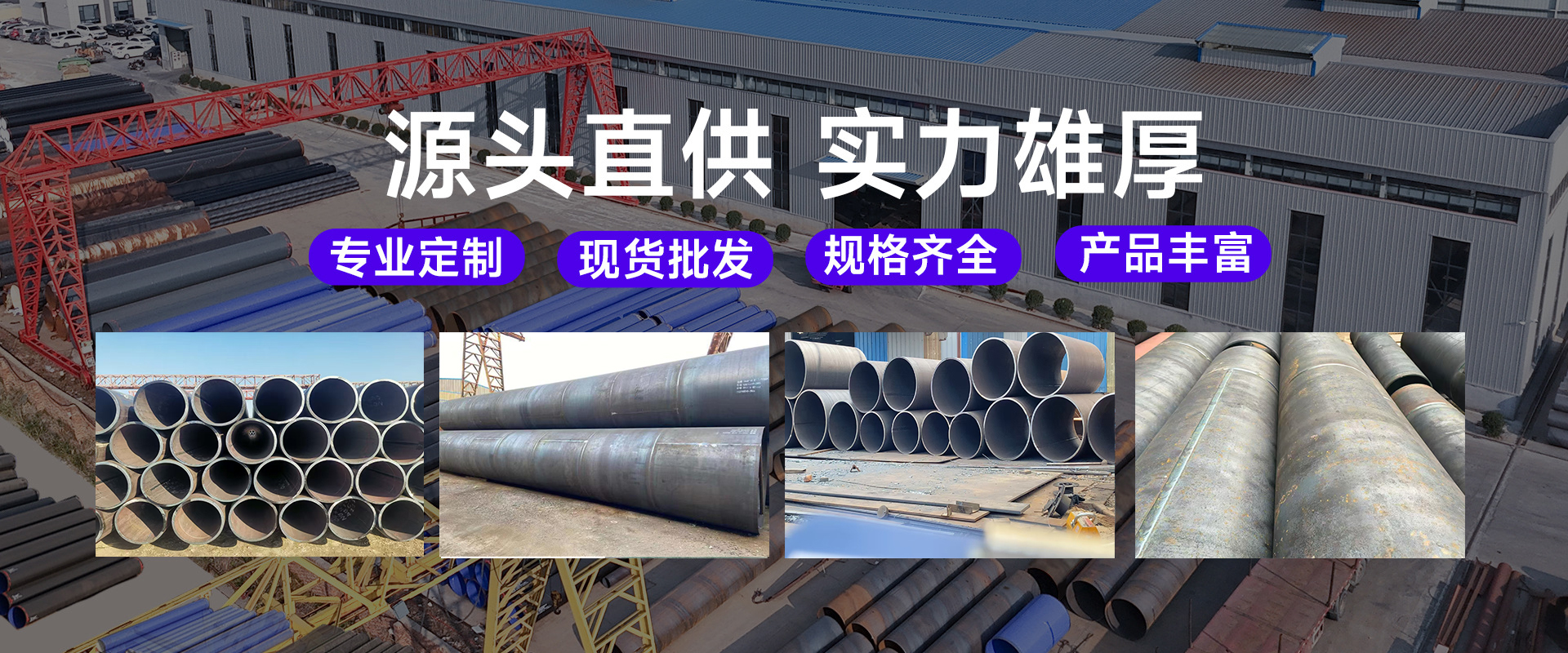





Material Cutting: The cutting length for thick-walled steel tube sheets is calculated as follows: (Unit: millimeters) Cutting Length = Pi × (Outer Diameter - Wall Thickness) - Experience Adjustment. The experience adjustment is generally 2mm. The cutting is done using a shearing machine, or a semi-automatic oxygen-acetylene cutting machine can be used. If the latter is used, it should be performed by a skilled fitter and gas welder in coordination. Before cutting, the steel plate dimensions should be checked for standard rectangular shape using the Pythagorean theorem. If it is not a standard rectangle, it should be corrected using the same method as the cutting, which is to be cut with a semi-automatic oxygen-acetylene cutting machine, ensuring the track remains straight. The deviation in the cutting length of the steel plate should not exceed 2mm.
b. After beveling and cutting the steel plate, all four sides must be beveled using a semi-automatic oxygen-flame cutting machine. At this point, the cutting nozzle should be rotated at an angle, typically around 25-30°. Be mindful to leave a钝edge of 2-3mm when beveling.
c. Before the coiling process begins, prepare upper and lower dies that match the tube curvature, with a width of approximately 30-40 cm. The dies should be as precise as possible and have sufficient rigidity to prevent deformation after multiple presses. The dies should be rigidly mounted on the press machine and aligned vertically. During operation, insert the pre-cut and beveled steel plate parallel into the die, about 15-20 cm deep, start the press machine, lift the jack, raise the lower die, and force the steel plate end to cold bend. Once the steel plate end is fully in contact with the upper and lower dies, operate the press machine to lower the lower die to release it, remove the steel plate, completing the press on one end. The same procedure is applied to the other end.
d. Heavy Wall Seamless Tube Rolling. Insert the steel plate between the upper and lower rolls of the three-roll tube roller, aligning the plate end line with the roll axis. Start the tube roller, allowing the upper roll to slowly descend and gently press against the steel plate. Then, rotate the upper and lower rolls to gradually bend and deform the steel plate. Pay attention not to lower the upper roll too much at once to avoid overrolling. Allow the upper roll to descend incrementally, gradually reducing the curvature radius of the steel plate until the ends of the plate meet.
e. The wall thickness pipe rolling group and welding. The welds in the pipe rolling construction mainly include longitudinal welds and circumferential welds, and their assembly requirements should comply with the relevant provisions of GB50235-97 specifications. Spot welding during assembly is done manually with an electric arc welder, while the formal welding is performed using submerged arc automatic welding. Welders using manual electric arc welding and operators of submerged arc automatic welding machines must hold valid certificates of qualification. The surface quality and inherent quality of the welds must meet the relevant provisions of GB50235-97 and GB50236-97 specifications, and must pass a 100% oil penetration test. If the owner or supervisor requests, ultrasonic non-destructive testing can be conducted. Welds that do not meet the standards must be repaired, but no more than two repairs are allowed on the same weld. If further issues arise, the entire weld must be cut open, re-prepared, assembled, and welded again. The quality requirements for steel plate rolling pipes are the same as those for the material acceptance requirements mentioned earlier.