
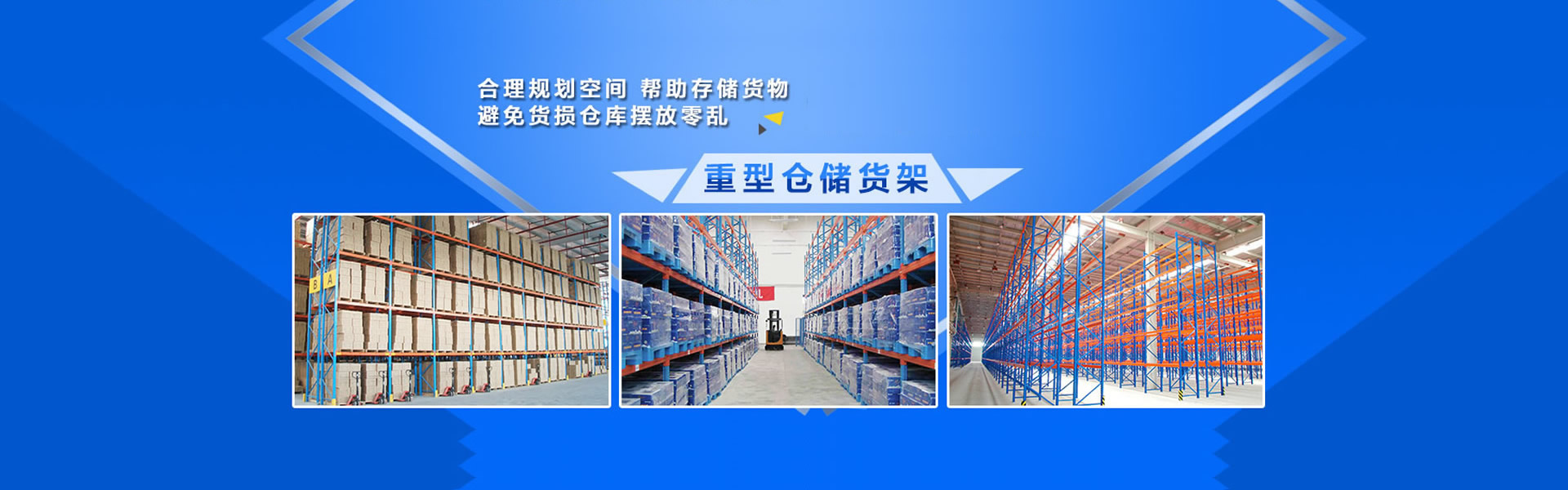
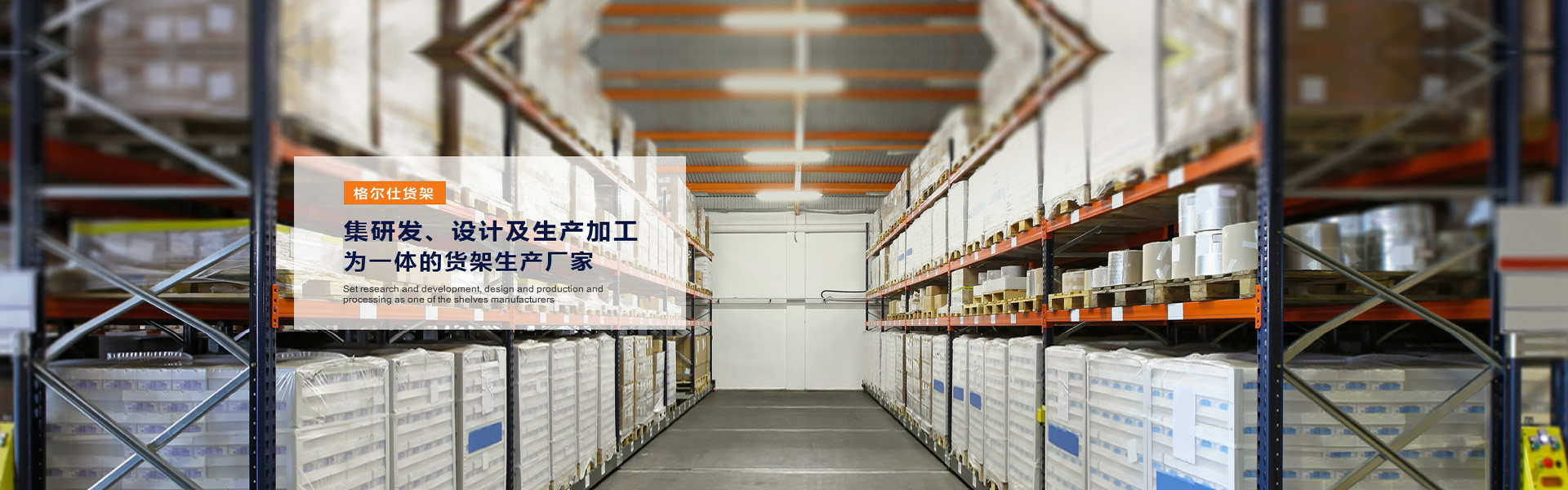


Sure, everyone is probably familiar with Suzhou heavy-duty racking in storage racks.Actually, it includes a variety of types, such as beam racks, drive-in racks, through racks, narrow-aisle racks, and more. These are all assembled structures with columns and beams, which are currently quite popular among customers. However, with so many types of heavy-duty racks, customers may find it challenging to choose the right one for their needs. Today, the Jingshan Storage team shares different perspectives on how to select heavy-duty racks.
I. From the perspective of shelf accessories used in combination
Typically, heavy-duty shelving is used in conjunction with pallets for sale.Suzhou Heavy Duty ShelvesBuyers should pre-learn the types of pallets for shelf matching, the weight of goods placed on the pallets, and the specifications of each pallet. Only by knowing the size of the pallets can one decide on the size of the shelves. It's best to understand these dimensions before purchasing shelves, so that they can quickly provide them when the shelf supplier inquires, facilitating better planning by the shelf supplier.
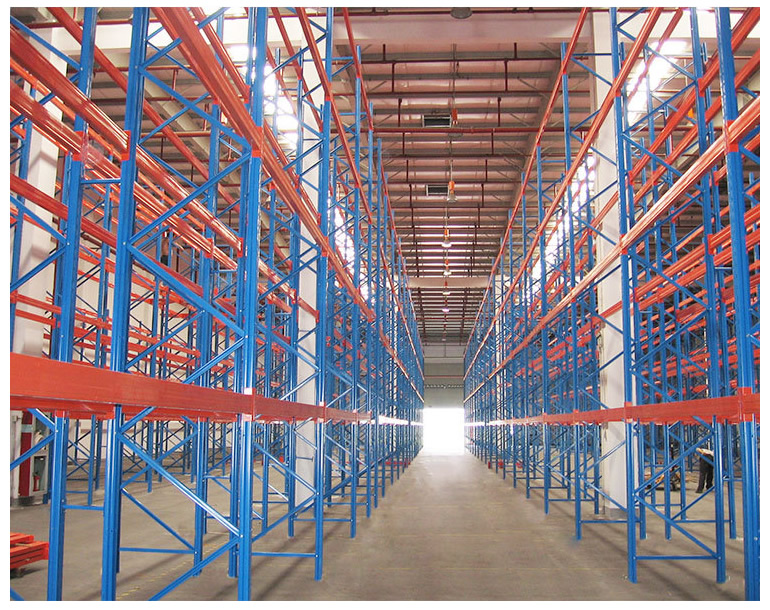
Suzhou Heavy-duty Shelving
II. In terms of the frequency of goods handling
Frequent inventory retrieval is a common concern for some businesses, making the selection of heavy-duty racking a crucial consideration. The degree to which different types of heavy-duty racking meet this requirement varies.
III. From the perspective of goods handling equipment
Generally, light-duty and medium-duty shelving units are manually handled, but heavy-duty shelving has a better load-bearing capacity, thus storing heavier goods. Manual handling becomes difficult and poses a higher risk, necessitating the use of forklifts and similar equipment for loading and unloading. When purchasing shelving, the procurement personnel must inform the shelving manufacturer of the parameters of the handling equipment used in the warehouse, so that the manufacturer can better plan the shelving aisles. Suzhou Heavy-duty Shelving
Four, in terms of the load-bearing capacity of the warehouse floor.
The load-bearing capacity of the warehouse floor is a critical determinant of the heavy-duty shelving's capacity. This information is crucial, as if the floor's load-bearing capacity is less than that of the shelves, it can lead to floor sinking and, in severe cases, collapse, which poses a significant safety hazard. It is essential to accurately inform the load-bearing capacity of the warehouse floor during shelf procurement, without deceit or arbitrary fabrication. Storage capacity should not be prioritized at the expense of safety.
V. From the perspective of warehouse layout
Many companies focus solely on space utilization when selecting shelves, overlooking the issue of product flow afterward. Warehouse layouts vary, resulting in differences in shelf sizes, types, and other aspects. Suzhou Heavy Duty Shelves
