


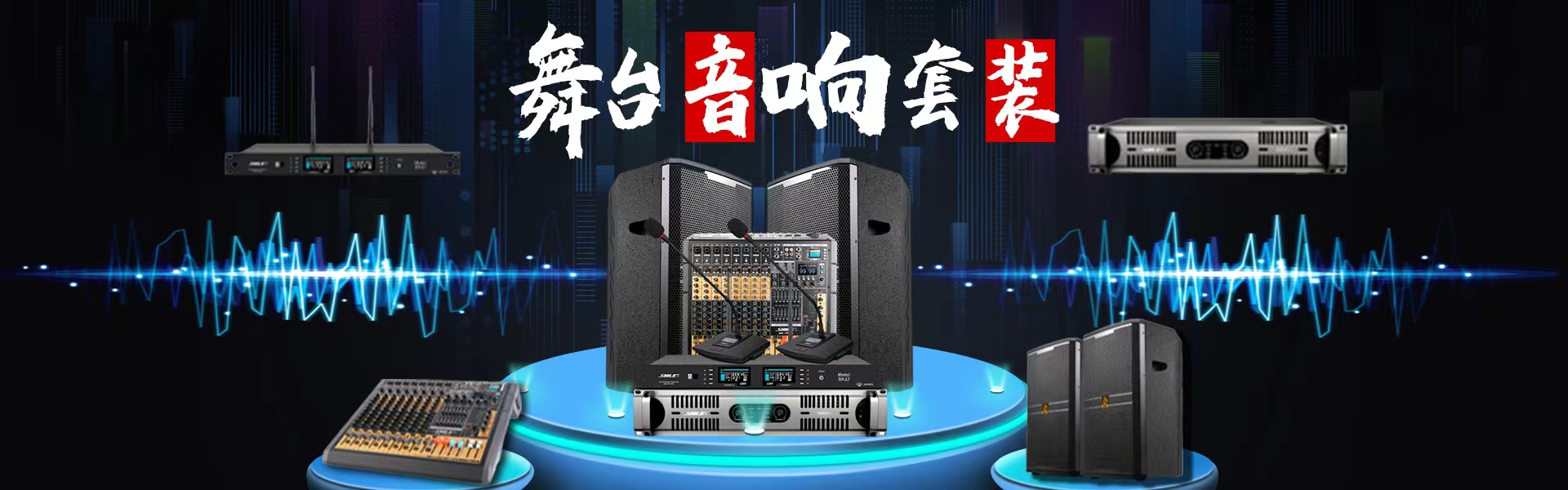




With the use of dozens of wireless microphones at live sound events becoming an everyday occurrence in today's performance market, the increasingly complex broadcast environment presents numerous challenges for the simultaneous use of multiple wireless microphone channels.
These issues often disrupt on-site radio signals, causing intermittent audio transmission in wireless systems, leading to undesirable outcomes such as receiver noise and microphone cross-talking. As professional technicians, we always need corresponding solutions to address these situations.
Source Interference Analysis
To devise a solution, we must first identify the approximate sources of these disturbances:
High-power radio station
Civilian Radio Communication Transmission Tower
3. Walkie-talkies and wireless internal communication systems
4. Other wireless systems and high-power inductive appliances with similar working frequencies and tuning methods to wireless microphones.
5. On-site internal interference with the wireless sound amplification system.
As mentioned above, the mentioned categories are typically easy to understand. Whether they are broadcasting stations established by the state, communication equipment base stations set up by enterprises or individuals, or our locally frequently used wireless intercommunication systems, as well as large screens with high-power circuits, they all contain high-power circuits. These circuits are prone to threats due to the transmission of high-power wireless signals that conflict with the frequency bands of our existing wireless systems, such as large screens like those mentioned.
Due to the power limitations for professional audio signal wireless transmission, which are only a few milliwatts as per national laws, the power of the previous interference sources can reach several watts, even up to dozens of watts. Given the significant power difference in the wireless audio signal receiving system, it cannot withstand strong interference sources.
On-site, the best we can do is to properly arrange the antennas, set appropriate gain, and try to avoid receiving these interference signals. Additionally, from the perspective of frequency planning, we need to ensure that the working frequency of the wireless system is as far away as possible from the operational area of these interference sources.
However, the latter is of great importance, as signal interference often goes unnoticed due to improper planning and handling of internal frequencies and other aspects within the wireless system, which is primarily manifested in:
The frequency planning for the wireless system is not scientifically sufficient.
2. Design flaws in the number and placement of internal transmitting and receiving antennas.
3. Utilized RF signal transmission cables that did not meet the required standards.
4. Excessive transmission distance of radio frequency signals can result in unacceptable RF noise and other issues.
This article aims to discuss how to prevent interference signals caused by our own wireless devices from interfering with each other, thereby threatening the stability of wireless systems. Next, I will briefly describe some common setting scenarios and point out which erroneous behaviors lead to this issue.
It's important to note that this issue only arises in noisy radio environments where multiple radio transmitting devices are in close proximity. If you're simply performing with a relatively fixed independent band and only using a wireless microphone for the lead singer, you need not consider these concerns at all.
It's quite common during large music festivals, broadcast galas, or theater and musical performances when handheld or waist-pack transmitters are combined and activated.
Despite being managed by专人, these wireless microphones are sent to the right individuals at specific times. However, this situation is inevitable; in many cases, several transmitters are closely connected and left in an open state.
News Center Co., Ltd.
