

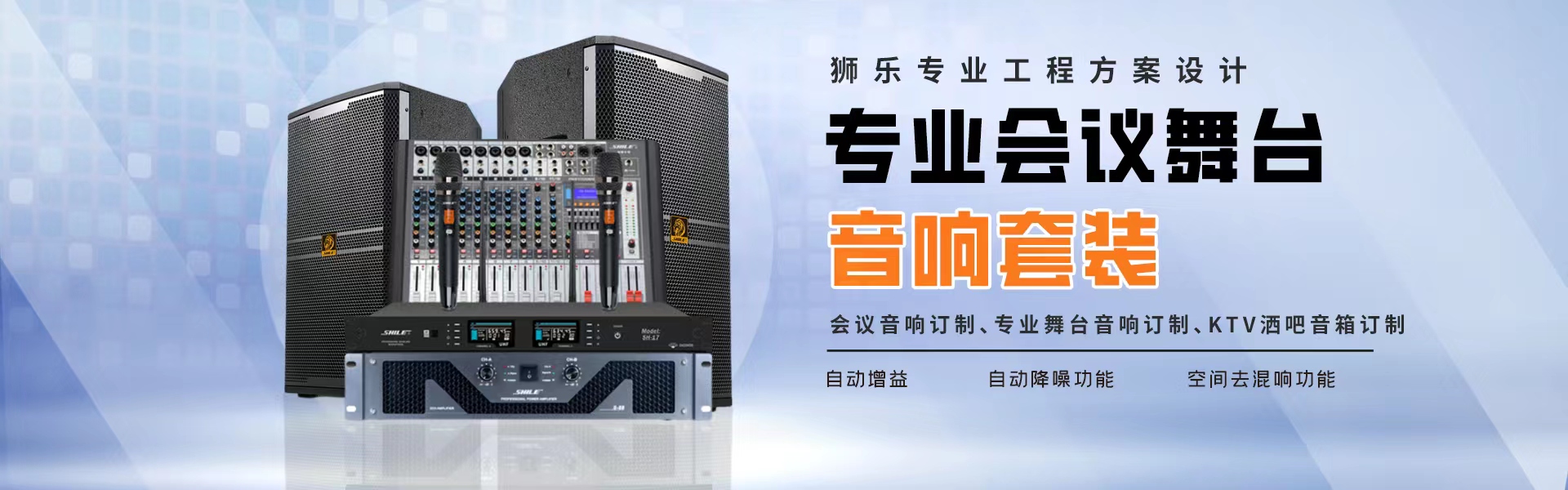
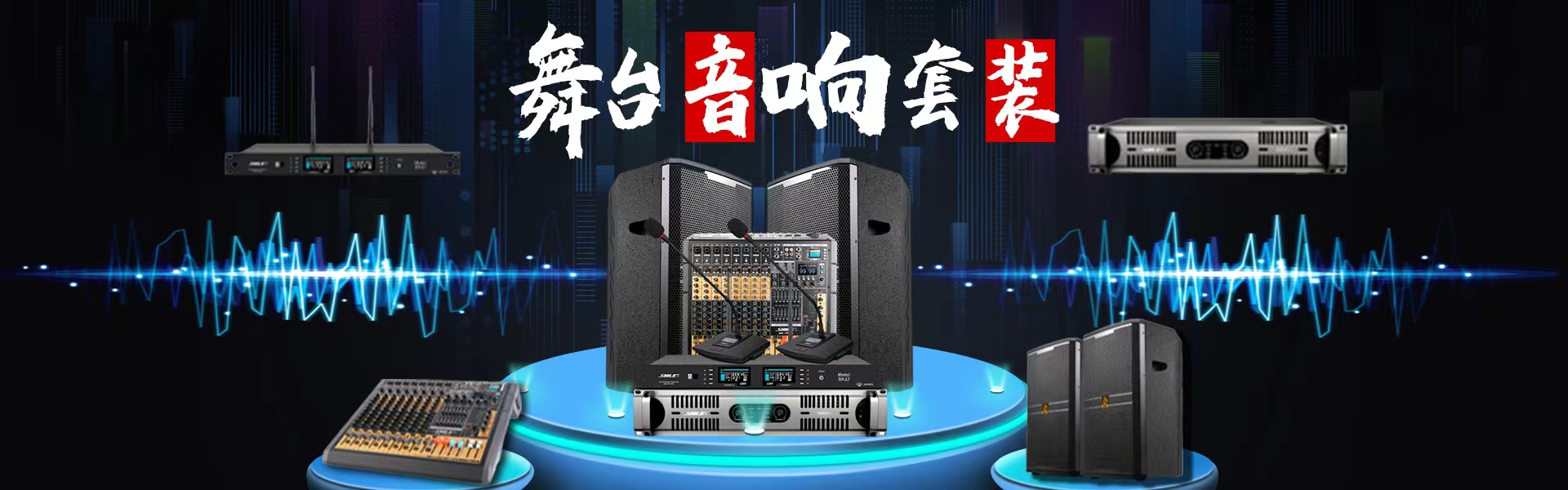
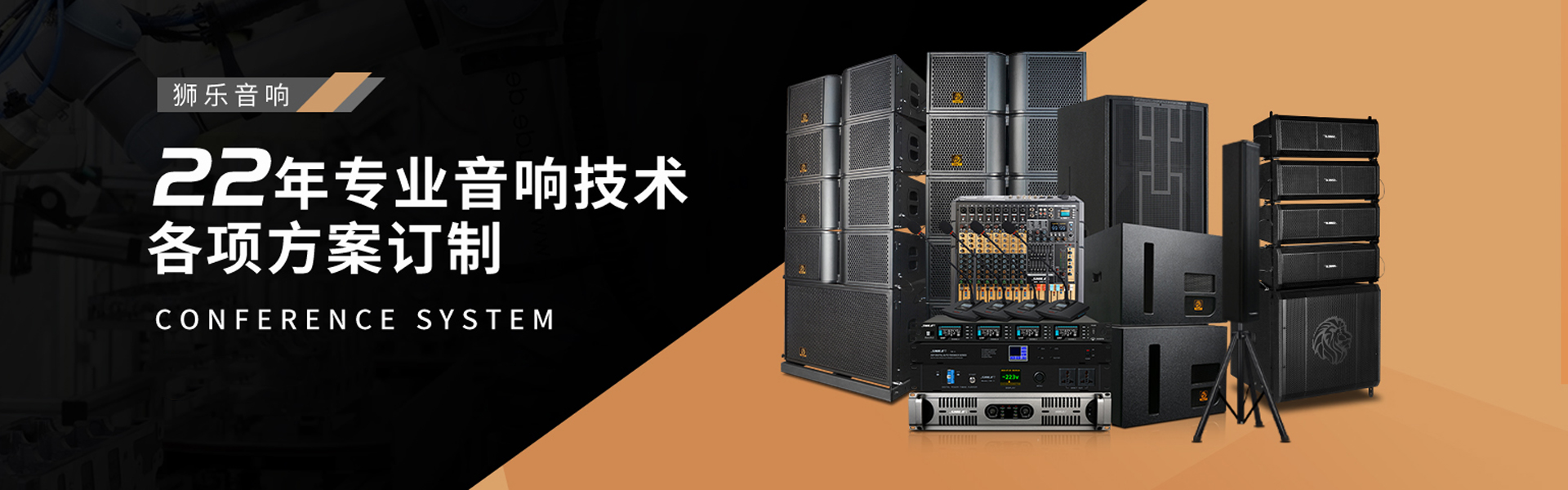


The meeting rooms are categorized into the Standard Conference Room (used solely for routine small-scale meetings), the Multi-functional Conference Room (enhanced with video conferencing, internal meetings, celebrations, reports, and lectures with computer support), and the Multimedia Teaching Conference Room (which, in addition to meeting functions, also serves as a teaching space).
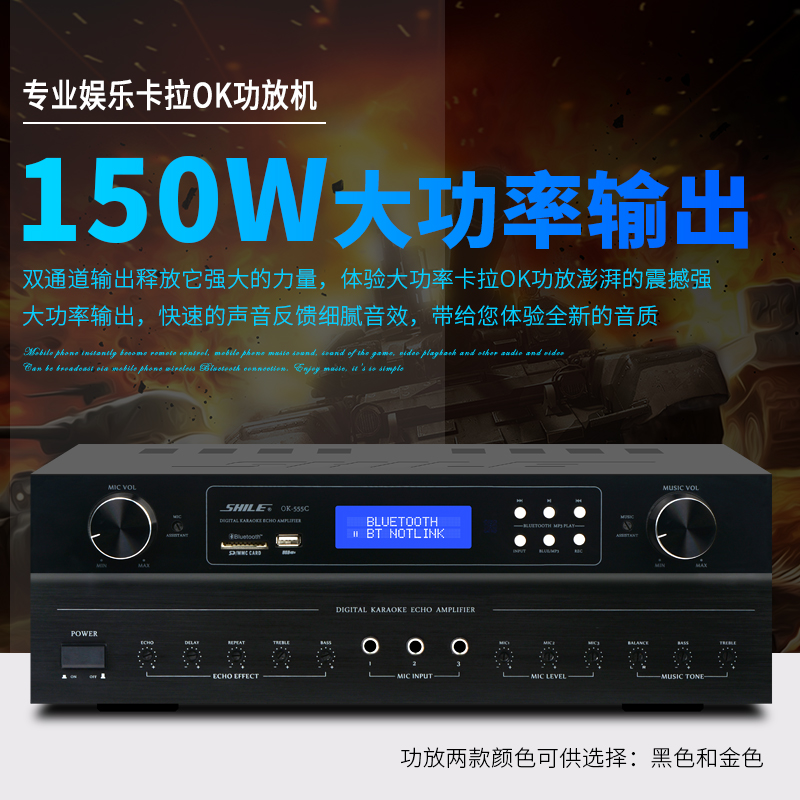
Conference rooms are a necessity for businesses of all sizes, whether large corporations, small enterprises, or institutions. Depending on their function and size, conference rooms also require different equipment. Amplifier Understanding an amplifier is quite simple. A power amplifier takes the sound picked up by a microphone and increases its volume, sending it to speakers, where it is played back in the venue. It also fulfills our purpose of deploying sound equipment in the conference room. In large conference rooms, it is difficult to hear the speaker clearly, and the primary goal of the sound equipment is to stop amplifying. Speakers are a common sound equipment, and we commonly see computer speakers. Conference room speakers are similar, just without amplifying the room's sounds. The selection of speakers is diverse, with brand and price being just one of the factors. Choose a product with an appropriate power based on the size of the conference room. Depending on the deployment method, you can also select floor-standing speakers, ceiling-mounted speakers, and more, which requires configuring based on the overall design requirements of the conference room. In our complex conference room applications, we may encounter various audio sources and different audio input devices, such as wired microphones and wireless microphones. We might also come across video conferencing audio and the need to temporarily play a video during a meeting. This requires a mixer to control these audio sources, matching different audio inputs to the mixer's various channels. This allows for sensitive control of each audio source, adjusting volume, adding effects, and more. An integrated audio processing unit, the audio processor can be omitted in simple conference room setups. However, it can replace many devices, offering signal processing, microphone mix processing, echo suppression, speaker balance processing, noise control, and even some of the amplifier's functions. The audio processor requires high technical specifications, and high-quality audio processors are quite expensive. You can flexibly choose the audio processor equipment based on the conference room setup requirements and budget. Audio Gateway Connection Method The Conference Room Audio Gateway is a telephone coupler alternative designed for large conference rooms, addressing current emergency scenarios in meeting rooms, remote interconnection of meeting rooms, integration of command center sounds with the telephone system, and other applications. During the large-scale conference, after the pre-dialed phone call is connected, audio is then connected to the meeting room after confirmation.What are common sound equipment found in meeting rooms?
(1) The practical dimensions (length and width) of the site used by the demander
(2) Number of participants in the meeting (whether the meeting room size is proportionate to the number of attendees)
(3) Leveraging the user's investment in conference rooms and other elements. (An important aspect in the ideal configuration: the level of investment the user wants to make in the equipment determines the saturation and hierarchy of the equipment configuration.)
(4) Internal Setup (The condition of internal renovation also affects the requirements for configuration; if the renovation is smooth, the equipment power must be lower, otherwise, it is difficult to adjust the equipment's howling phenomenon.)
