




The 70, 80, and 90 in the thermal break aluminum system windows represent different models and specifications. The distinctions between them are mainly reflected in the following aspects:
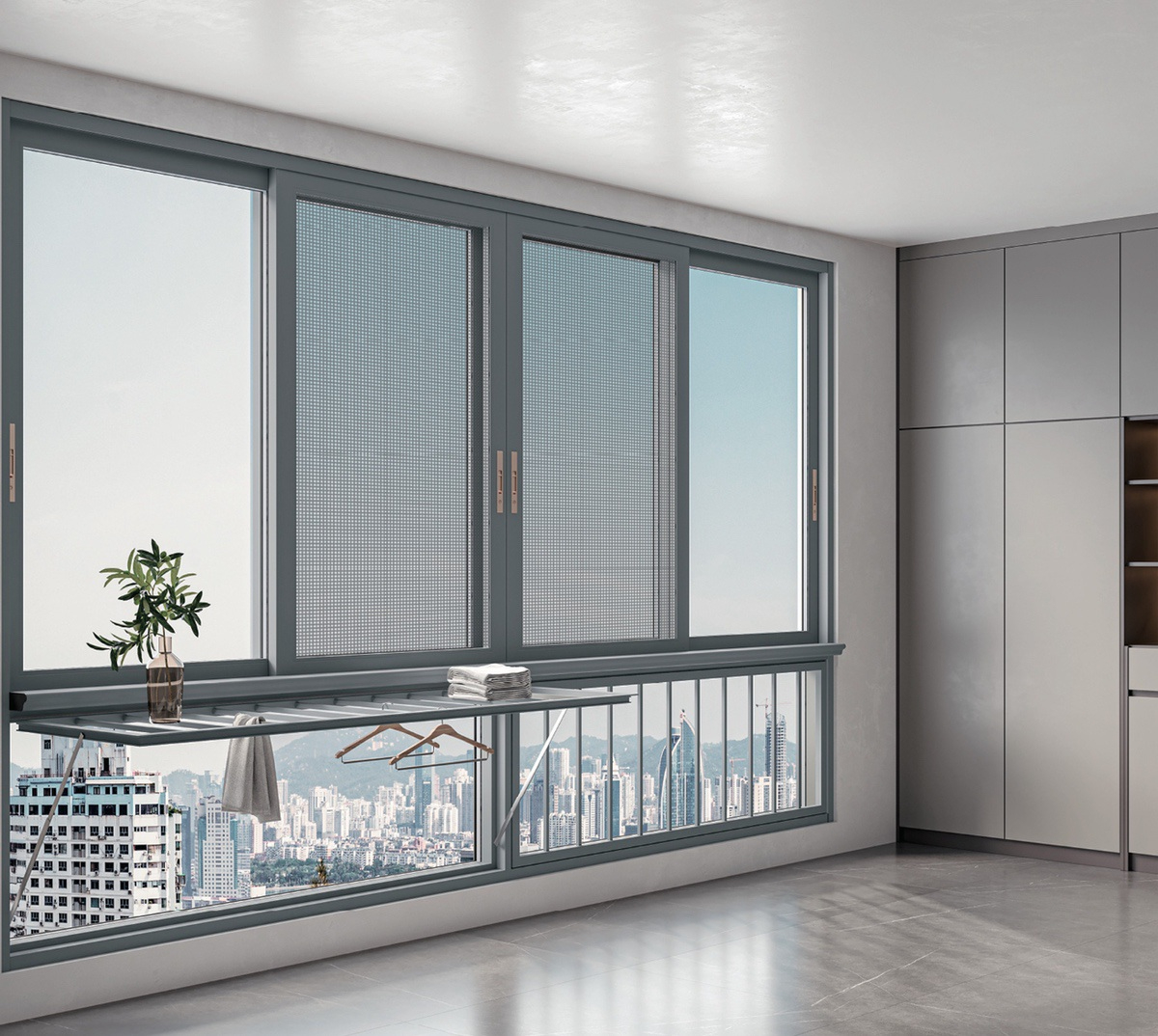
Thickness: 70, 80, and 90 refer to the profile thickness of windows and doors, typically measured in millimeters. The 70 profile is thinner, the 80 profile is medium, and the 90 profile is thicker. The difference in thickness affects the strength and stability of the windows and doors.
Insulation Performance: The main feature of thermal break aluminum windows and doors is their insulation properties, with differences existing among 70, 80, and 90 profiles in terms of insulation performance. Generally, the wider the profile, the better the insulation. The 90 profile offers relatively superior insulation, while the 70 profile has relatively poorer insulation.
Load Capacity: Due to the differences in thickness and structural design among different window and door profiles, their load-bearing capacities vary. Generally speaking, the thicker the profile, the stronger the load-bearing capacity.
Prices: Due to variations in material and manufacturing costs, the prices of different models of thermal break aluminum windows and doors may differ. Generally, the price of 90 series profiles is relatively higher, while the price of 70 series profiles is relatively lower.
Note that there may be slight differences among the 70, 80, and 90 models of different brands; the specific distinctions should be referred to in the product specifications and descriptions. When selecting aluminum casement windows, choose the appropriate model based on your actual needs and budget.
