

Import Food Customs Clearance Required Documents:
Certificate of Origin
2. Health Certificate
3、Packing List, Invoice,Contract
4. Food Packaging Digital Edition
5. Production Date
6. Process Flow
7. Inspection Report
Bill of Lading (B/L)
Understanding of Import Duties and Fees
Import tariffs are the duties imposed by a country's customs on imported goods and items. Import taxes typically include import duties and consumption taxes. The basic formula for calculating import tariffs is: Import Tariffs = Customs Value × Import Tariff Rate.
Some people mistakenly believe that only one import tax is required for imported goods, overlooking the consumption tax. In fact, the import tax consists of these items, but not every product is subject to consumption tax. We can check the tax rates by looking up the customs code of the goods on the customs website.
I. Procedures to be handled by the domestic company prior to import:
1. Obtain import/export rights
2. Handle import consignor and consignee registration
3. Activate the Single Window Payment Platform
4. Paperless Contracting
II. Detailed Explanation of Food Import Customs Clearance Process:
1. Food Import Consignee Record Filing
2. Stocked overseas and ready with the following documents:
3. Shipment to Port
4. Our customs clearance
5. Customs Clearance and Delivery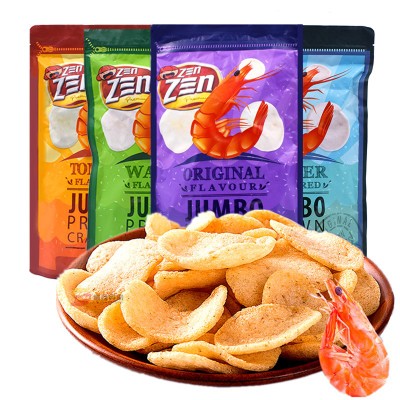
Food Import Customs Clearance Process, Food Import Clearance Time, Food Import Documentation Requirements, Food Import Cost Breakdown, Food Import Customs and Inspection Procedures, Food Import Agency
The products we serve
Food products
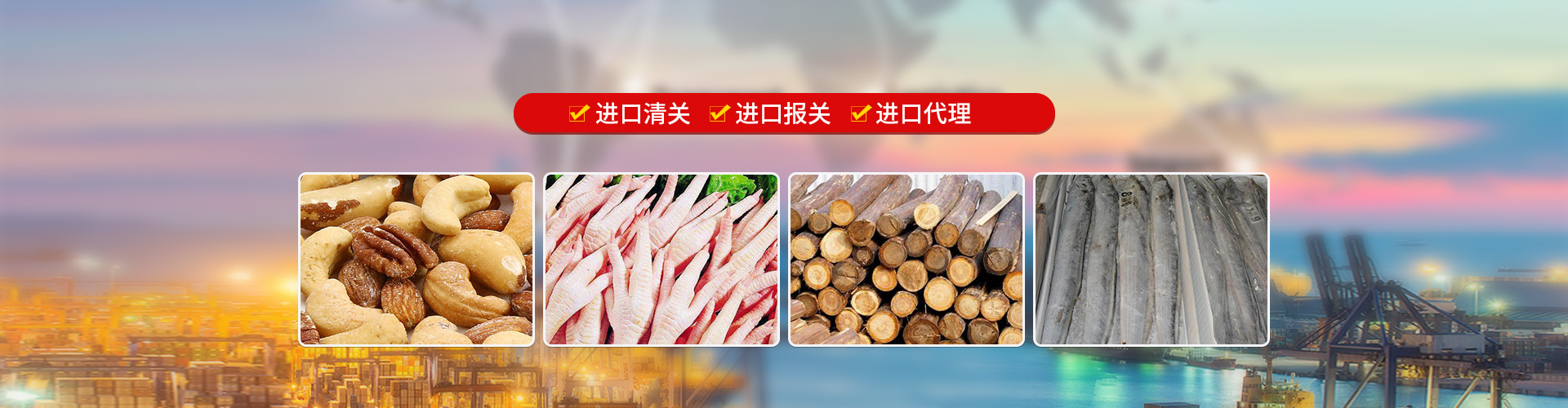
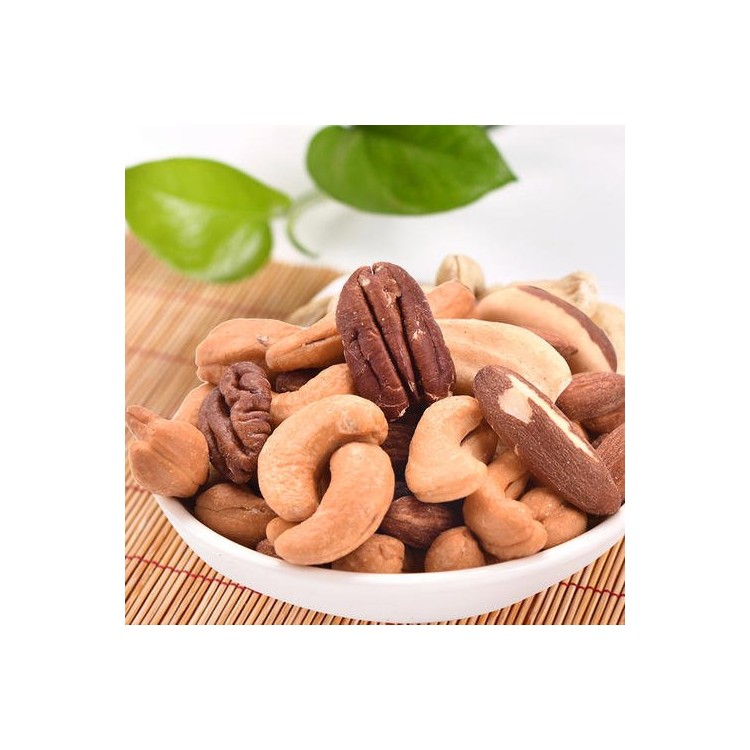
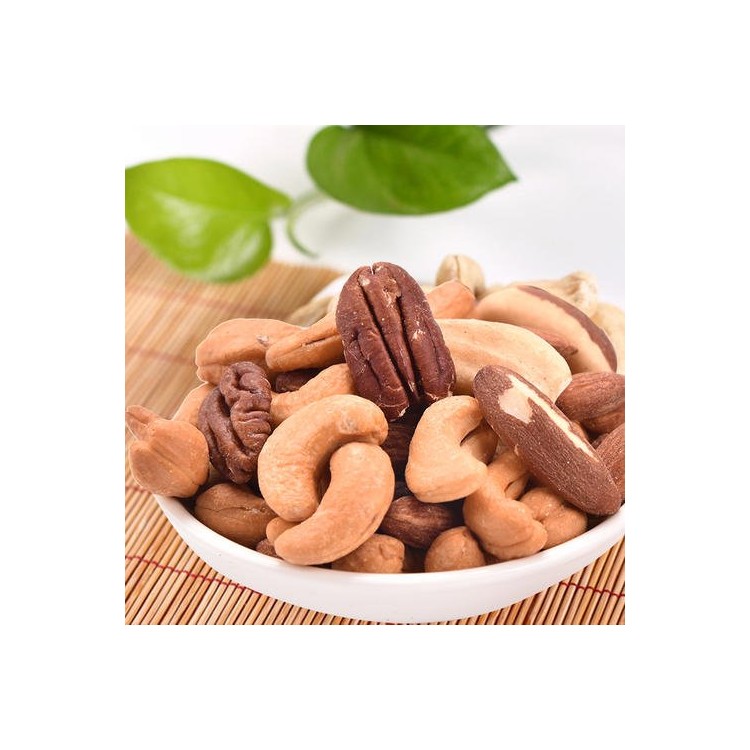
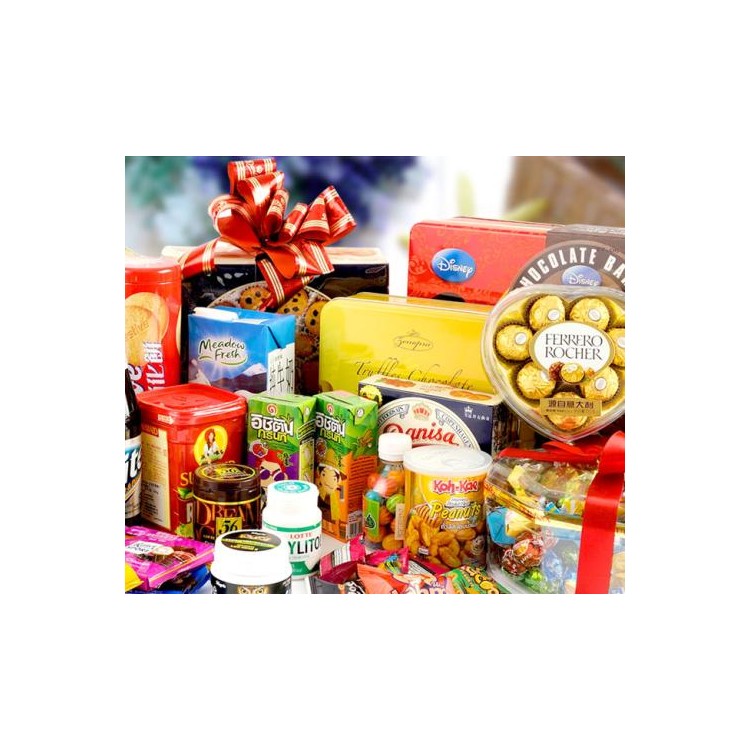
Snacks: Potato Chips, Dried Fruits, Nuts, Cashews, Ice Cream, Chocolate, Cookies, Candies, Bread, Seaweed, Dried Fruits, French Fries, Oatmeal Squares
Dried Fruits: Pistachios, Macadamias, Walnuts, Chestnuts, Sunflower Seeds, Pecans, Pine Nuts, Pumpkin Seeds, Peanuts, Cashews, Almonds, Hazelnuts, Brazil Nuts, Almond Kernels, Chestnuts
Food Import Customs Clearance Procedures
