

Where are circular guideways used in industries?
Circular guideways have gained recognition recently and are widely used in the manufacturing industry, promoting the transformation and upgrading of the entire industry. So, in which industries are circular guideways applied? 1. Food Industry, Packaging Industry: Used in paper box packaging and canning applications. 2. Automatic Marking and Spraying Industry: Applied in the circular stage of spraying machinery, allowing the nozzle to rotate around the spraying object. 3. Electronics Industry: Used for assembling junction boxes, for pad printing on phone cases, and for guiding products to different workstations with carrying slides. 4. Rotational Detection: Used in experimental systems and medical applications. 5. Pipeline and Welding Applications: Used for positioning and adjusting the circular segments of welding heads, for moving machine tool control console tracks and segments. Rotational welding, non-destructive testing of pipelines. 6. Precision Molding Industry: Used for fixture positioning, rotary worktables, and rotating cutting. 7. Logistics Sorting: Clamp conveyors. 8. Door and Window Building Materials Industry: Used for assembling door and window components with air drilling tools.
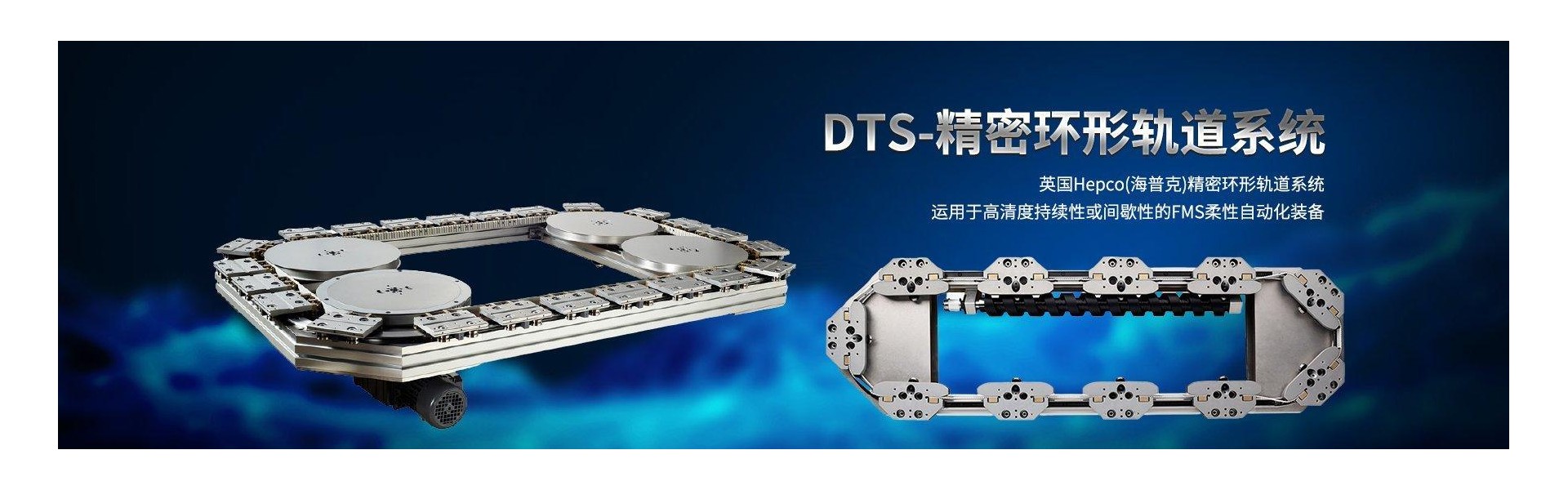
The automated assembly lines in our modern factory come in two primary types: 1. Straight-line, non-circular lines, which, due to their one-directional movement, typically require a separate conveying system to return workpieces and trays to the starting point. 2. Circular lines, commonly utilizing belt or roller conveyor systems. For rapid movement and positioning, a track-type circular line is necessary. This type is based on a circular track and equipped with a belt, chain, or screw-driven mechanism.
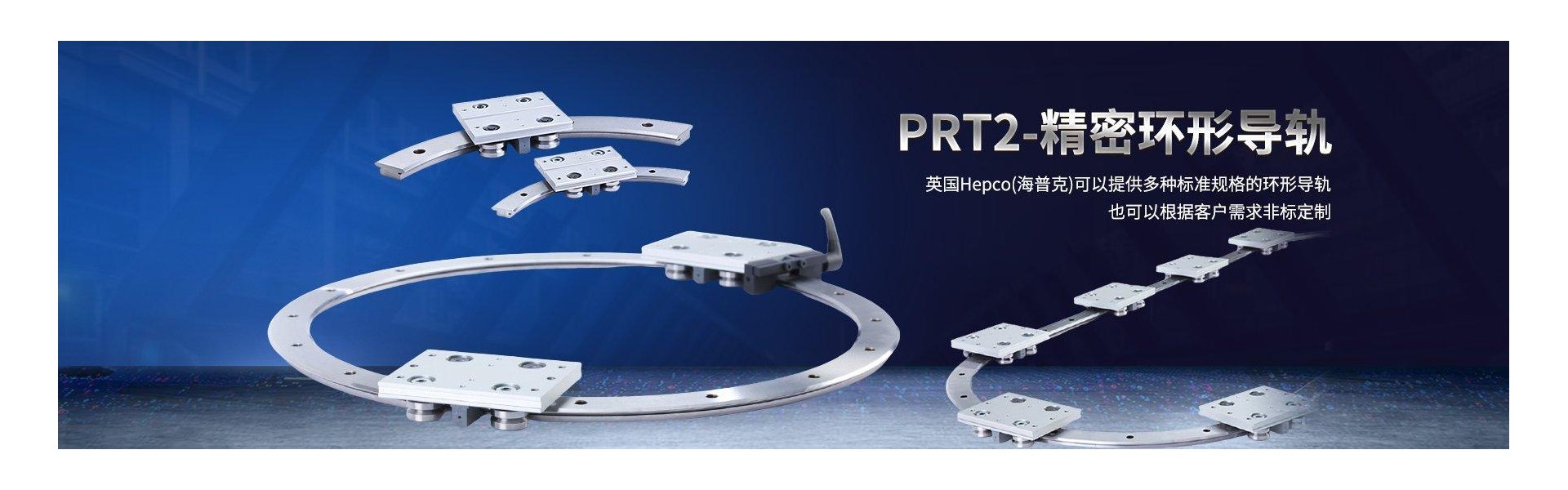
Circular guideways, commonly referred to as closed-loop guideways, are composed of linear guideways and arc guideways, and are often termed straight-arc guideways. There are three types: 1. When moving along the trajectory of the circular guideway in one direction, the bending directions of multiple arc guideway segments are uniform, either all clockwise or all counterclockwise; the diameters of each arc segment are the same.
