
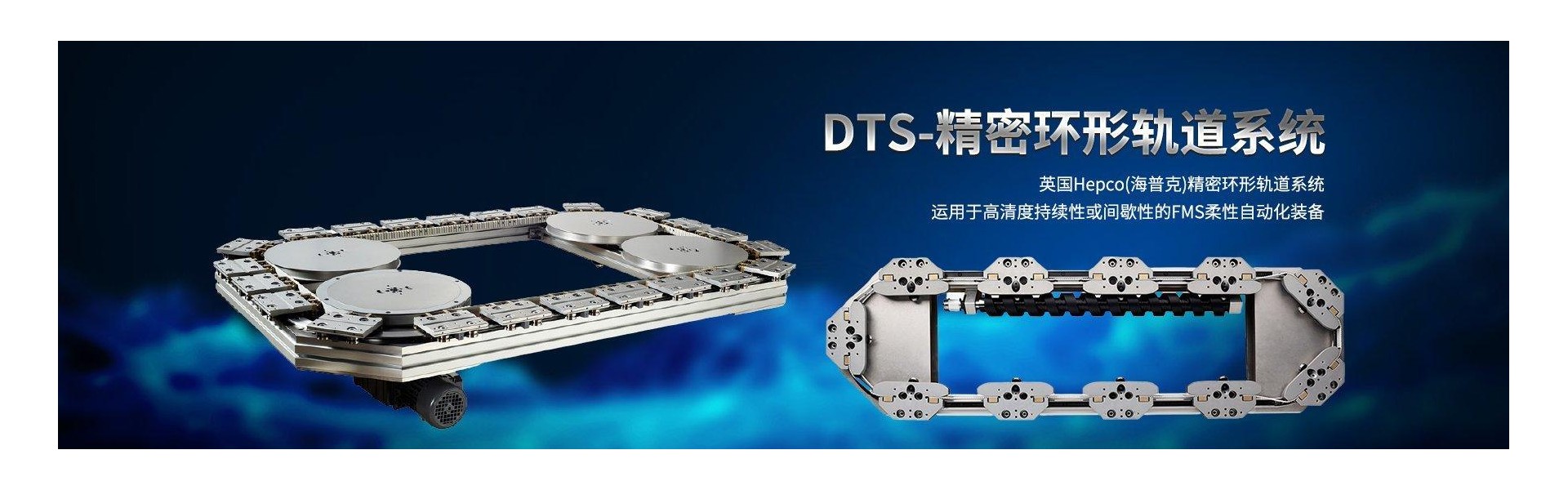

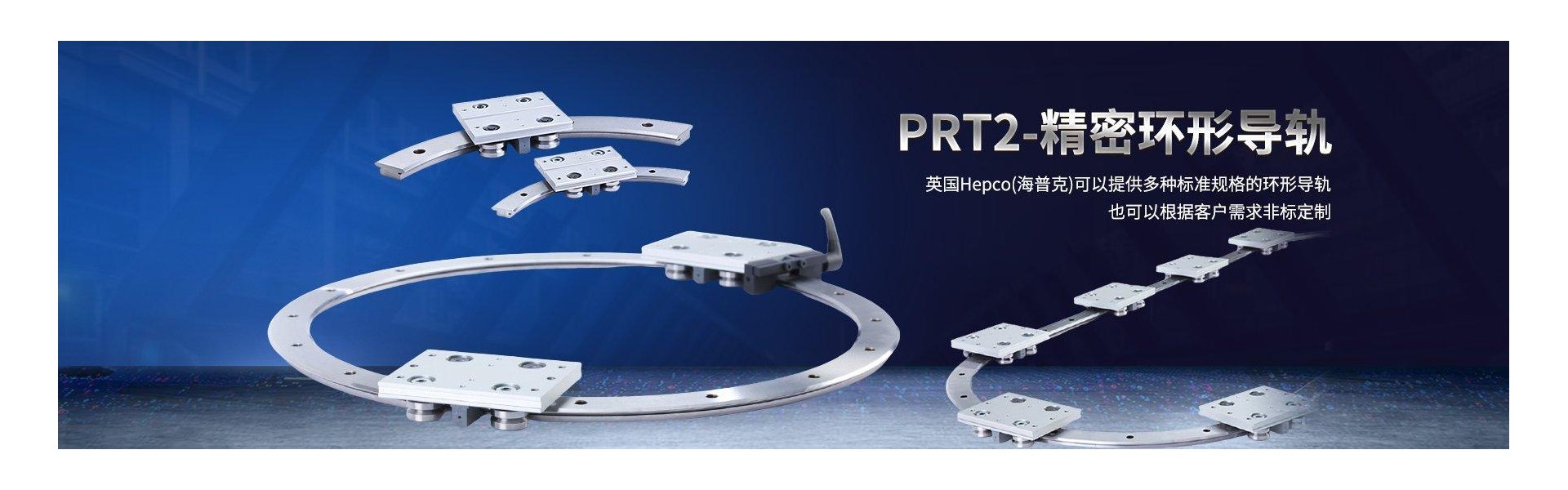
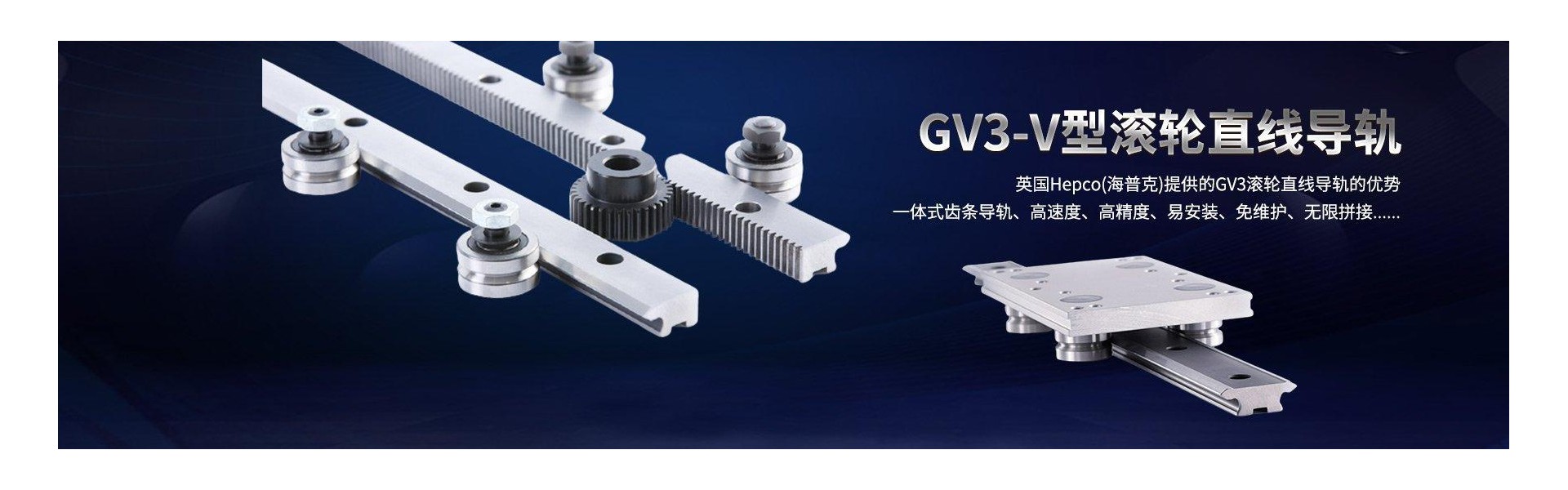

Introduction to Rack and Pinion Guide Rails
A rack gear is a special type of gear with teeth distributed along a strip-like shape. Racks come in two types: straight-tooth racks and helical racks, which are paired with straight-tooth and helical cylindrical gears, respectively. The rack has a straight tooth profile rather than a involute (for the tooth surface, it is a plane), equivalent to a cylindrical gear with an infinite pitch diameter. A rack is a strip-shaped component that matches with gears. It represents a segment of a gear with an infinite diameter, with evenly spaced teeth on one side that mesh with gears to convert rotation into movement or vice versa. The rack is long and strip-shaped, with teeth on one side, and can be considered a segment of a gear with an infinite diameter.

Key Features
(1) Due to the linear tooth profile of the rack, all points on the tooth profile have the same pressure angle, which is equal to the tooth profile's inclination angle, known as the tooth angle, with a standard value of 20°.
(2) Any straight line parallel to the addendum line has the same pitch and modulus.
(3) A straight line parallel to the addendum line and with the tooth thickness equal to the tooth space width is called the pitch line (midline), which is the baseline for calculating rack dimensions.

Key Parameters
The main parameters of a rack include: tooth space width, addendum height, root height, tooth height, tooth thickness, and root circle radius.

Tooth Space
The tooth space is the凹陷 part between the teeth of a gear. The space between two adjacent teeth on a gear is called a tooth space or tooth gap. The size of the tooth space is represented by the width, which can be divided into two types: end face tooth space width and normal tooth space width.

(1) End Face Tooth Space Width (Width) – The length of the pitch circle arc between the two tooth profiles on one side of a tooth space in the end plane, represented by the letter e. For any circumference, it is represented by the letter ei.

(2) Normal Tooth Space Width (Normal Width) – In a helical gear tooth space, the length of the normal helical line between the two tooth lines on one side of the tooth space, known as the normal tooth space width.

Tooth Crown
The part between the pitch circle and the addendum circle is called the gear tooth crown. Its radial distance is called the addendum height, represented by the letter ha. The addendum height of a cylindrical gear is calculated by the following formula:

Where: ha – Cylindrical gear addendum height coefficient, for normal teeth ha=1, for short teeth ha=0.8; m – Gear modulus.

Tooth Root
The part between the pitch circle and the root circle is called the gear tooth root. Its radial distance is called the root height, represented by the letter hf. The root height of a cylindrical gear is calculated as follows:

Where ha – Cylindrical gear addendum height coefficient, for normal teeth ha=1, for short teeth ha=0.8; C – Cylindrical gear clearance coefficient, for normal teeth C=0.25, for short teeth C=0.3; m – Gear modulus.
