



What are the general conventional methods for exterior wall inspections?
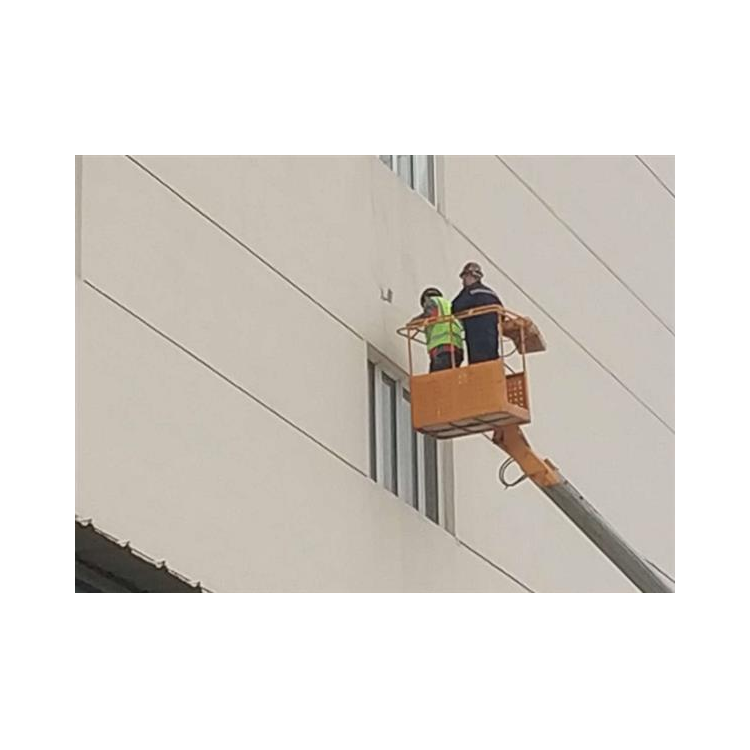
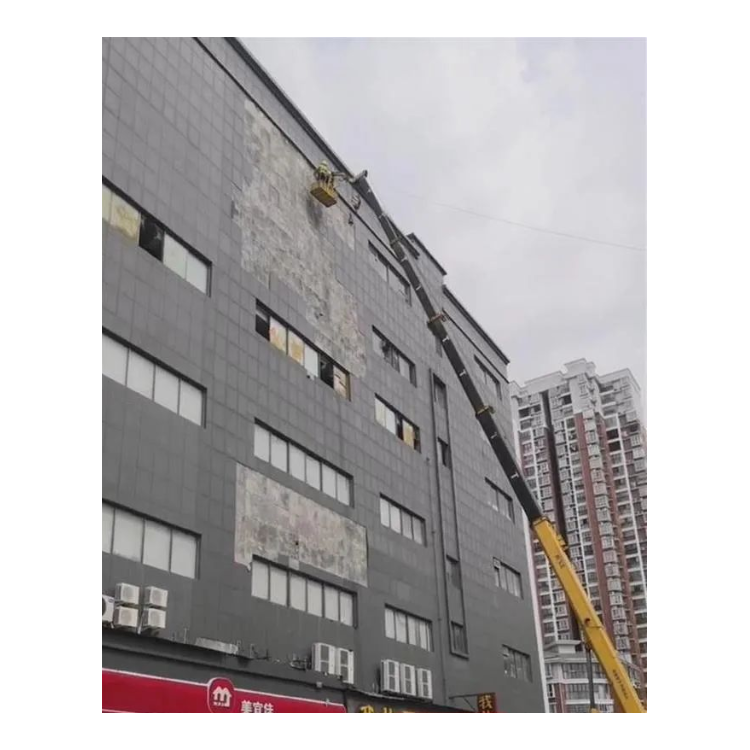
1. Knocking Method - The knocking method is a method of judgment based on experience, typically using a small hammer as a detection tool. It assesses the density and internal voids of an object by analyzing the sound frequency and quality produced upon impact. This method has a simple procedure but is heavily influenced by subjective factors, primarily relying on the experiential judgment of the inspector. It is labor-intensive and has low efficiency.
2. Visual Inspection Method The visual inspection method is a method of experience-based judgment, generally determining the condition of the structure based on personal visual observations. This method involves fewer procedures and requires less human and material resources. However, it heavily relies on individual experience, being greatly influenced by subjective factors. Since the source of hollow spots and leaks may not be identified, even if the inspector has a high level of professional skills, it is not guaranteed that a proper judgment can be made.
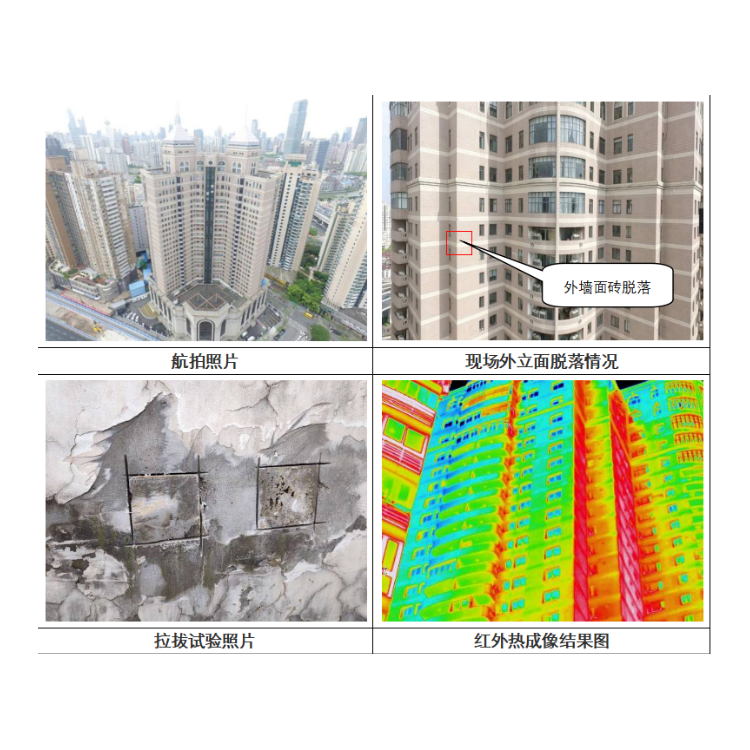
3. The infrared thermal imaging detection method employs an infrared thermal imager to explore the infrared radiation energy emitted by various parts of an object. By analyzing the thermal image formed by the distribution of the temperature field on the object's surface, it directly reveals the detection of discontinuities and defects on materials, structures, and their interfaces, as well as identifies hollowed and leaking areas. It does not require scaffolding, prevents risky operations, and can quickly and non-contactingly scan over a large area to identify defects and leakage conditions on building finishes.
