

Factory construction must undergo inspections prior to being put into use. As buildings require certifications before operation, obtaining these certifications involves assessing the factory's safety.
The commissioning of the factory must be conducted under safe conditions; possession of a safety inspection and certification report can verify the factory's readiness for normal operation.
Based on the drawings provided by the client, review the steel structure layout, component dimensions, and floor heights of the factory; for those without design drawings, conduct on-site inspections of the existing upper structure layout, component dimensions, and floor heights of each factory building and draw structural plans.
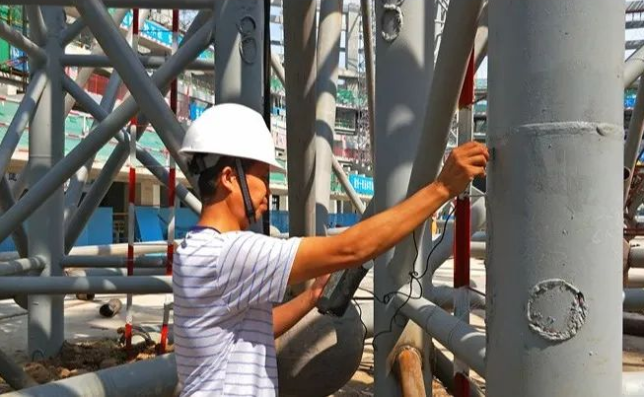
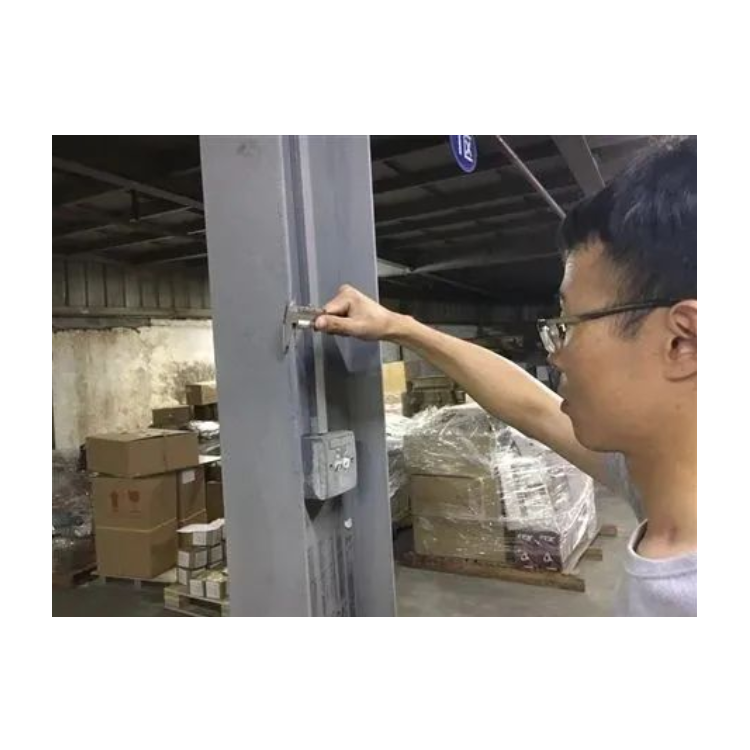
Inspect and appraise the exterior damages of factory steel components, including cracks, damage, coating peeling, rust on steel, joint injuries, welding appearance defects, and connection fastening conditions.
Selecting some steel trusses and steel structural components in accordance with national testing and acceptance specifications, the factory building is inspected using ultrasonic or magnetic particle testing for weld inspection, to identify defects such as air holes, slag inclusions, arc pit cracks, and arc burns.
Inspect and assess the deflection deformation of trusses, girders, and their bars using total station or stringing method. Conduct strength inspection and assessment of steel using the surface hardness method.
Based on actual on-site factory testing data and design requirements, in accordance with national building structural design codes, we calculate the load-bearing capacity of the factory's upper structure. We assess whether the current load-bearing capacity of the factory meets national code requirements and future safety usage demands.
Based on the inspection, testing conditions, and calculation results, assess the current reliability grade of the factory building in accordance with whether the structural safety meets current usage requirements, and propose reasonable recommendations for components that do not meet safety usage standards or have current structural damage.
After a disaster in the factory, a factory inspection must be conducted. Post-fire, the current condition of the factory is unknown, and relevant departments will only allow the factory to continue operation once it's deemed safe. An assessment and analysis of the fire is required after a factory fire, at which point a factory inspection and certification is necessary.
Through factory inspection and assessment, it can be determined the extent of damage to the factory after a fire, whether there are structural issues, and if it can still be used for continued operation.
Safety hazards in the factory structure also require a formal inspection and assessment. When issues with the factory structure are identified, a detection and assessment must be conducted.
Due to the specialized inspections for factory structure, when issues arise, the affected areas must be inspected to eliminate potential safety hazards.