


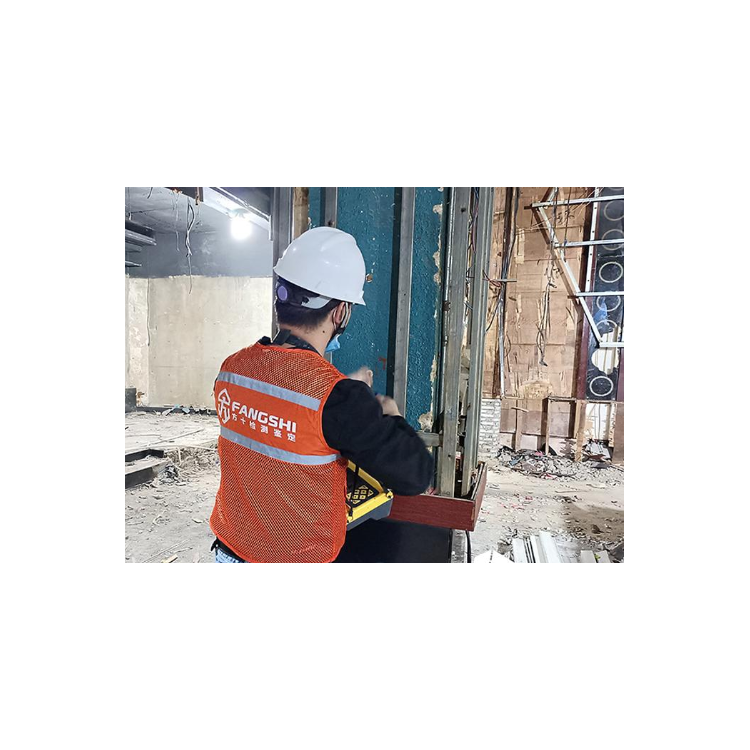


Overview of House Condition Grades
Formation of the concept of house damage grade.
Purpose and Significance of Evaluating the Condition of Houses
(3) Applicability of the Standard for Rating the Condition of Buildings.
Section 4: Classification of Building Structures
1. Frame Structure: Beam and column components in the frame structure are easily standardized and shaped, facilitating the use of modular assembly structures to shorten construction timelines. When using cast-in-place concrete frame structures, the integrity and rigidity of the structure are good, and proper design can achieve excellent seismic performance. Moreover, beams or columns can be cast into various required cross-sectional shapes.
2. Steel Structure: The primary load-bearing structure is constructed with steel materials, including suspended cable structures. Such as steel factory buildings, large sports stadiums, etc.
3. Steel and Reinforced Concrete Structures: The primary load-bearing structures are constructed using steel and reinforced concrete. For instance, in a building, some beams and columns may be built with steel frameworks, while others may be constructed with reinforced concrete frameworks.
4. Reinforced Concrete Structure: The main load-bearing structure is constructed using reinforced concrete, including thin-shell structures, large formwork cast-in-situ structures, and reinforced concrete constructions using advanced construction methods such as sliding formwork.
5. Mixed Structure: The main load-bearing structure is constructed using reinforced concrete and brickwood.
6. Brick and Wood Structure: The main load-bearing structure is constructed using bricks and wood, such as a house built with wooden rafters, brick walls, and wooden pillars.
7. Other Structures: All building structures that do not fall under the aforementioned categories are classified as such.
(V) Item classification of the criteria for assessing the condition of houses.
(Six) Classification of housing damage and condition levels.
(7) Calculation of measurement units and the rates of house integrity and dilapidated house rates.
Method for Evaluating the Condition of Residential Properties
1. Evaluate the condition of the house at different levels based on varying circumstances.
2. Key Considerations for Evaluating Property Condition Ratings.
3. Procedure for assessing the condition and damage grade of buildings:
The house condition grades are divided into five categories: sound houses, basically sound houses, generally damaged houses, severely damaged houses, and dangerous houses.