
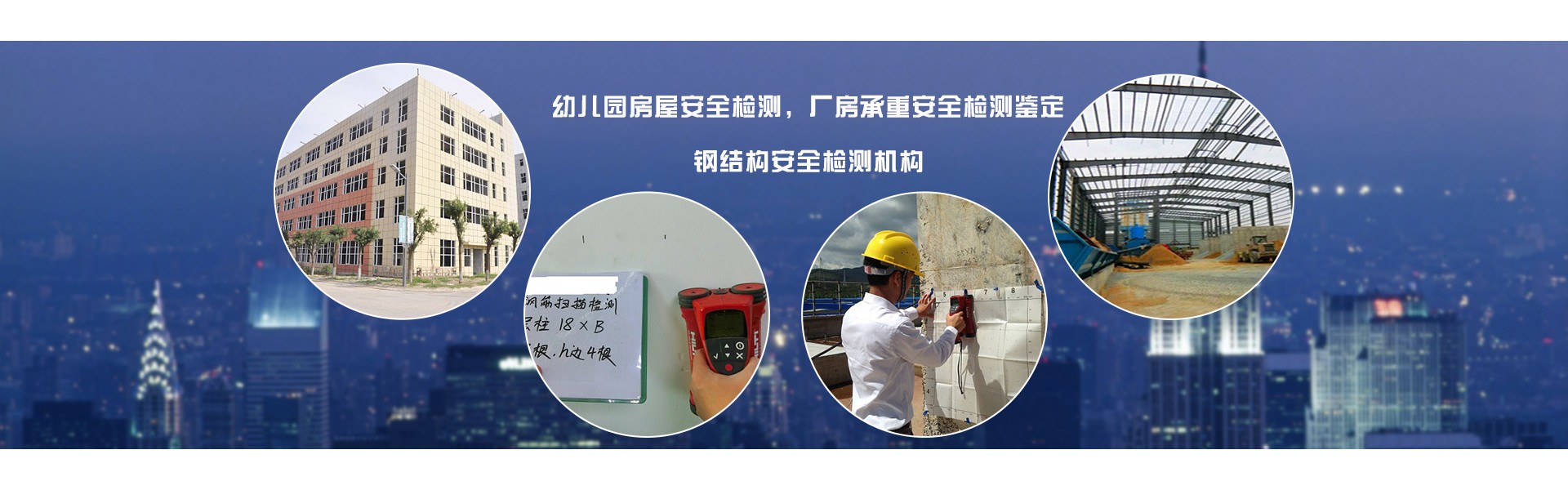
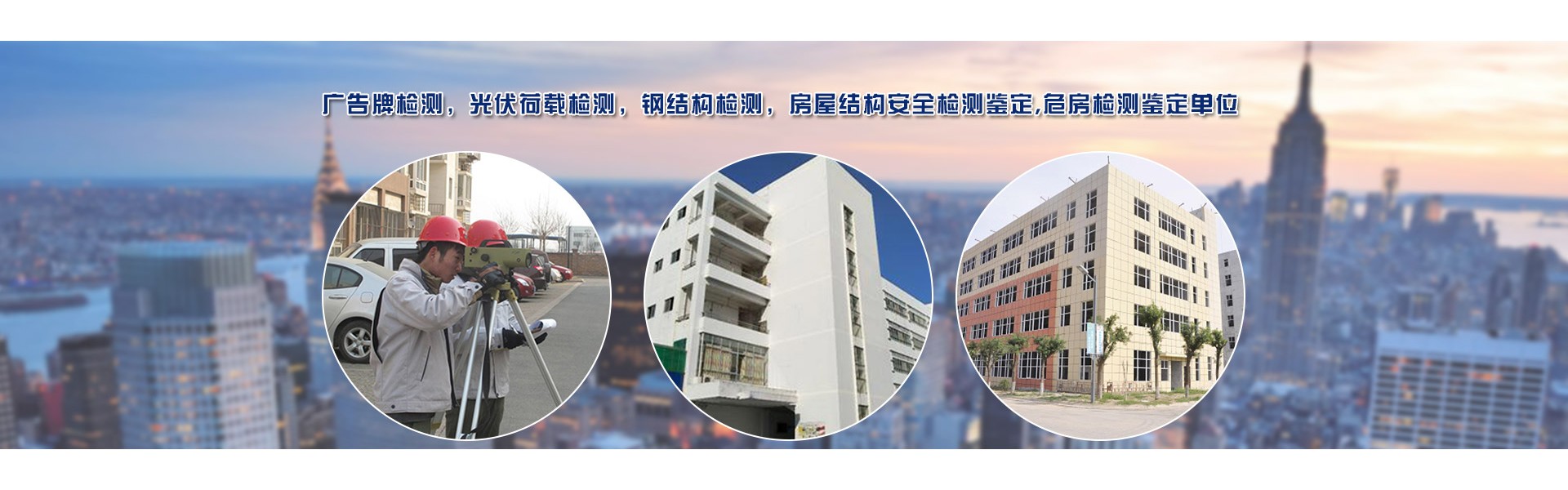
The purpose of the inspection and certification
The primary purpose of the structural safety inspection and certification for steel frame workshops is to ensure the structural safety and stability of the workshops, prevent safety accidents caused by structural issues, and safeguard the safety of personnel and property.
Step 2: Main Steps of Inspection and Appraisal
Preliminary Investigation:
Gather relevant factory information, including design documents, construction records, and usage history, to understand the original design load, structural type, and renovation records.
Conduct on-site inspections of the factory, documenting the main structure, load-bearing components, cracks, deformations, and other damage conditions.
Data Processing and Analysis:
The data obtained from on-site inspections is processed and analyzed, including data organization, calculation, and comparison.
Based on the usage and design requirements of the factory building, calculate the load requirements for the structure, simulate the stress conditions of the building using structural analysis software, and evaluate its load-bearing capacity.
Security Assessment:
Based on testing data and load calculation results, assess the safety and stability of the factory, and determine if it meets the current usage requirements or the load requirements post-renovation.
If safety hazards or issues are identified, corresponding reinforcement or other treatment recommendations should be implemented.
Issue Test Report:
Based on the test results and analysis evaluation, a safety inspection report for steel structure factory buildings is issued. The report should include the inspection items, methods, results, analysis and evaluation conclusions, as well as recommendations.
III. Content of Inspection and Appraisal
Factory Structure System Survey:
Understand the original design load, structural type, and renovation records of the factory, and conduct a detailed investigation and analysis of the main structure and load-bearing components.
Factory Damage Assessment:
Inspect and record the damage conditions such as cracks, deformations, and corrosion in the factory building, and understand the impact of these damages on the building's load-bearing capacity.
Factory Material Performance Testing:
By conducting sampling tests on the performance of the factory's load-bearing structural materials, such as concrete strength and steel mechanical properties, we ensure that the material performance meets the design requirements.
Four: Precautions for Inspection and Appraisal
Select third-party testing institutions with the appropriate qualifications and experience to ensure the accuracy and reliability of the test results.
During the testing process, strict adherence to relevant safety regulations and operational procedures is maintained to ensure the safety of the testing.
Communicate promptly with factory management or owners, providing updates on the inspection progress and any issues found, to enable timely measures to be taken.
V. Testing and Certification Cycle and Fees
The cycle and cost of inspection and certification vary due to factors such as the size, complexity, and inspection requirements of the factory. Generally, larger steel structure factories require comprehensive inspection and certification, which may take several weeks to several months. As for costs, they vary based on the number and complexity of the inspection items. For specific costs, please consult the relevant inspection agencies for information.
News Center Co., Ltd.
