


Description: Drainage Cement Pipe Installation Method
1. Check all components before use to ensure they are functioning properly. Confirm that all hose connections are secure.
2. Always strictly adhere to the specifications in the main parameters when in use. Avoid overloading or continuing to press after reaching the stroke limit; otherwise, severe oil leakage at the top of the hydraulic cylinder may occur when the lifting height or tonnage exceeds the规定的 limits.
3. In case the oil level in the pump body is insufficient, you must first add working oil (32# hydraulic oil) to the pump before it can operate.
4. Please refer to the electric pump's instruction manual.
5. Select a moderate center of gravity for heavy loads. Properly choose the fulcrum point of the electric jack, ensuring the base is leveled. Also, consider the ground's hardness and whether to use sturdy wood pads for stability. Check for even placement to avoid sinking or tilting under the load.
6. After an electric jack lifts a heavy object, it should be promptly secured with a support, and the electric jack must not be used as a support.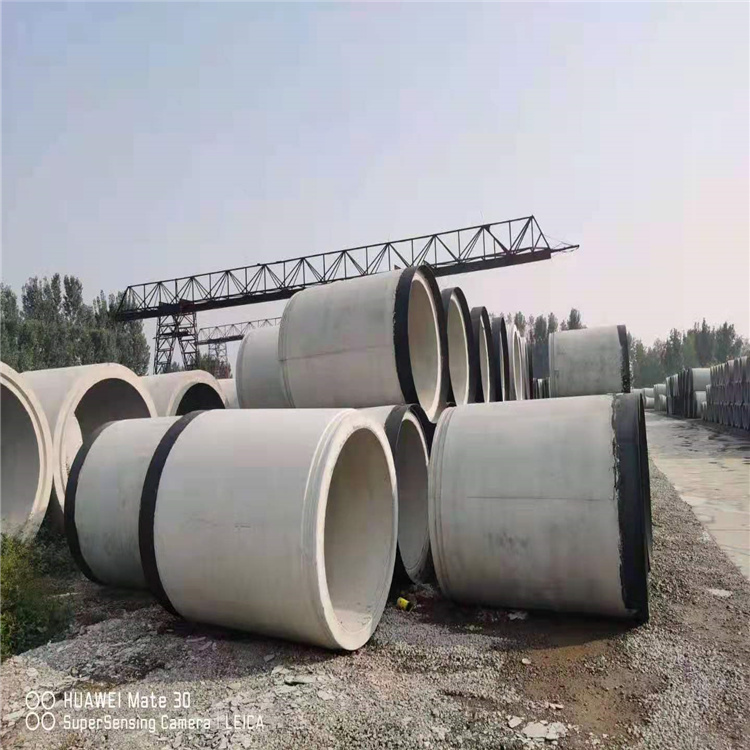
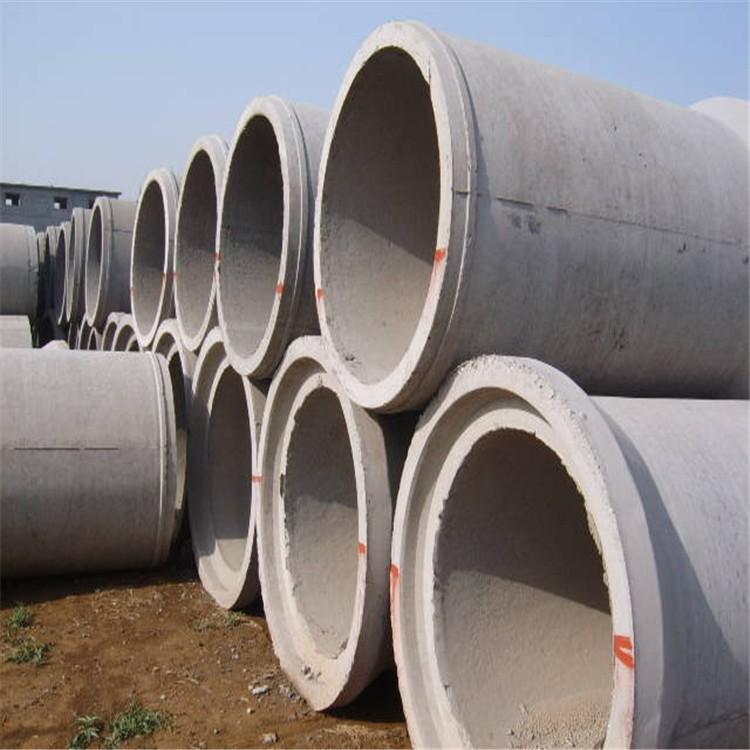
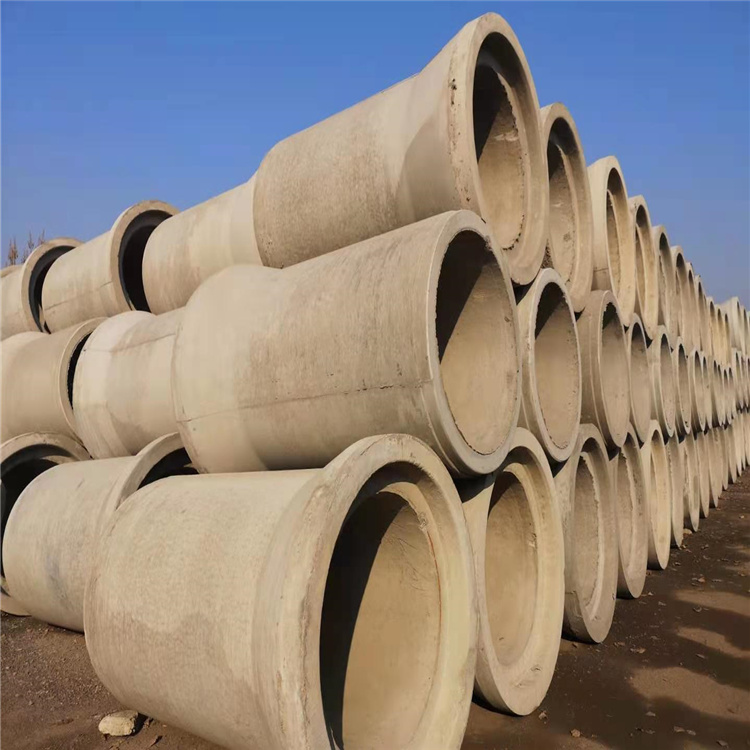
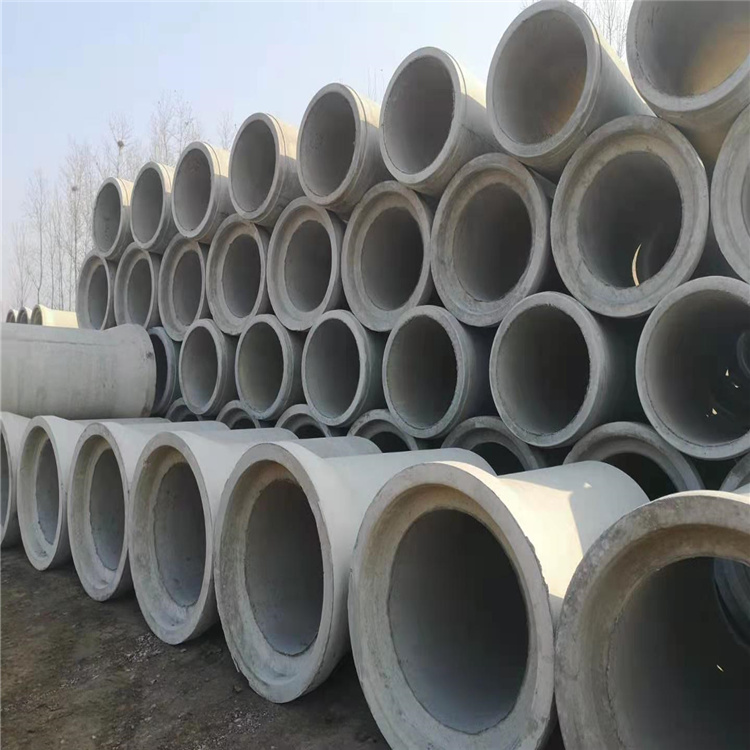
Cement drainage pipes, as we all know, are prefabricated pipes made from cement and reinforced steel, serving as urban sewage pipelines and also as water supply pipes in some special factories and mines.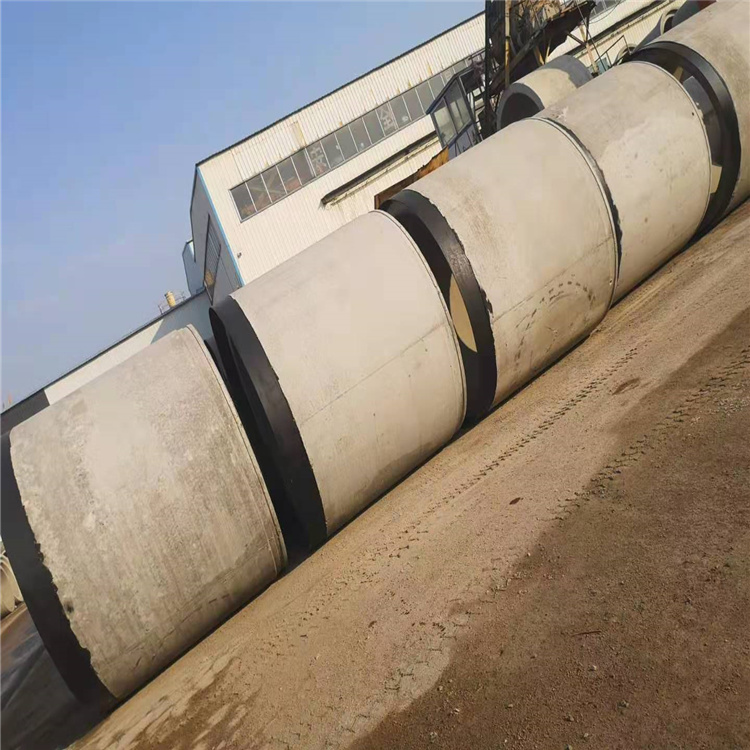
In addition to using cement pipes in areas such as highways, residential communities, urban and rural construction, municipal infrastructure, industrial and mining enterprises for stormwater and wastewater discharge, sports fields or squares, and agricultural irrigation, cement pipes, particularly plain-end cement pipes, can also be employed for underground cable protection, underground fiber optic cable protection, chimney pipes, irrigation pipes. They are also suitable for the discharge of groundwater, oil, or corrosive liquids and gases.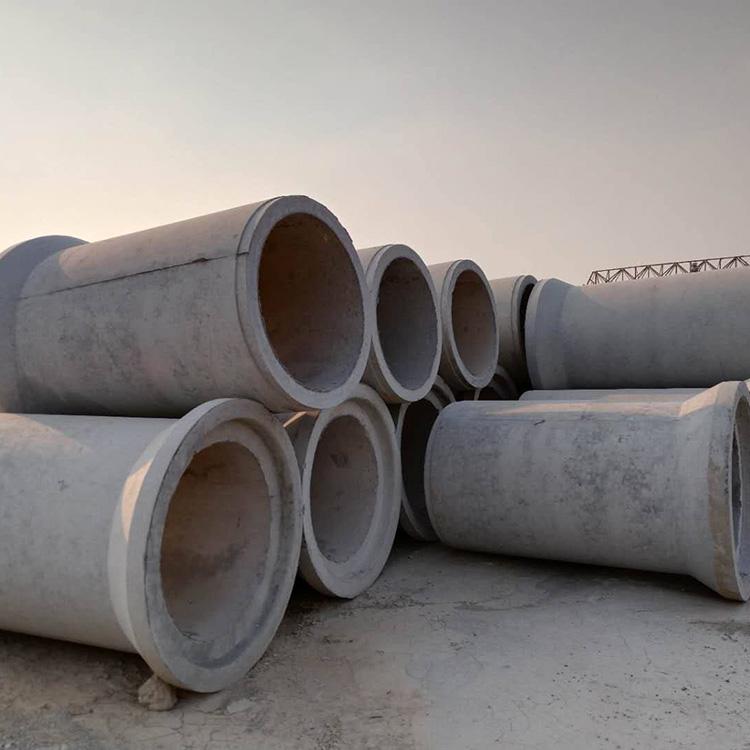
Cement pipes, also known as reinforced concrete pipes or concrete pressure pipes, are made with steel reinforcement and cement, utilizing the centrifugal force principle of electric pole production. These precast pipes are generally categorized as: flat-end reinforced concrete cement pipes, flexible bell-and-spigot reinforced concrete cement pipes, socket-and-spigot reinforced concrete cement pipes, F-type steel socket cement pipes, flat-end sleeve joint cement pipes, and bell-and-spigot cement pipes, etc.
