
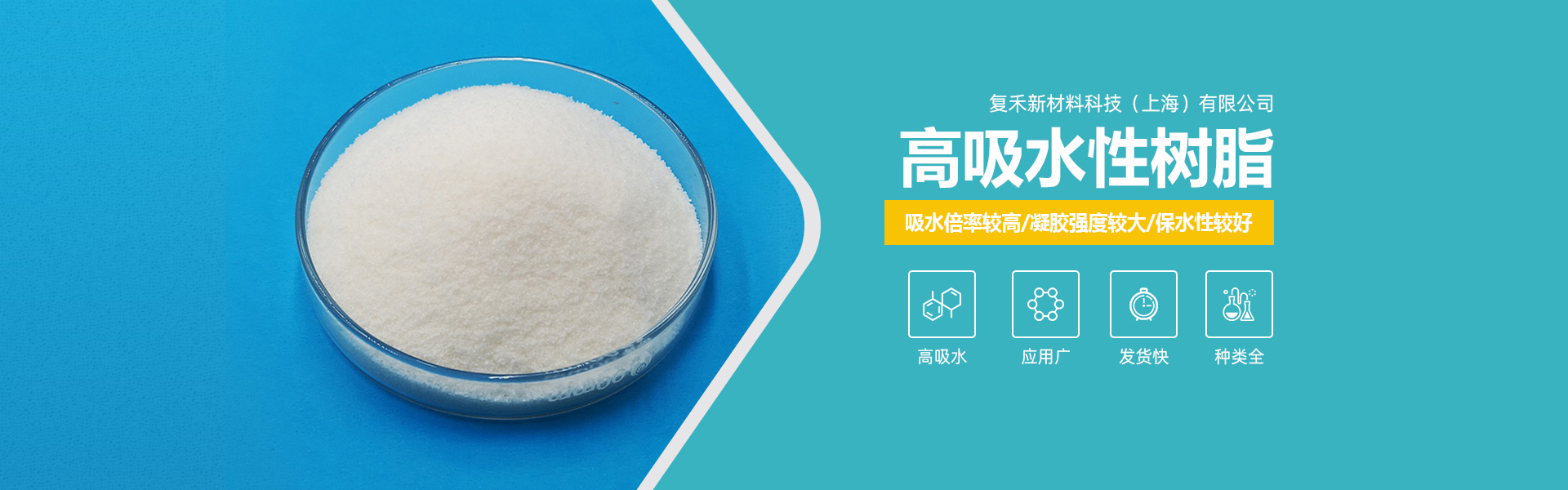
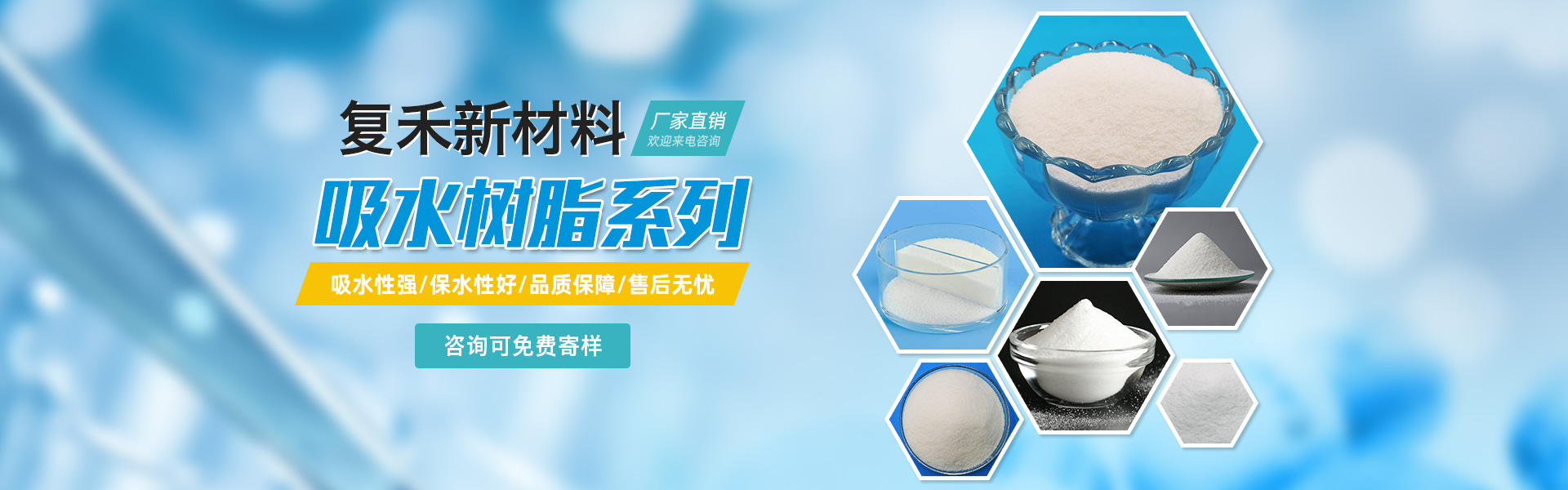

Absorbent resin materials are applied in agricultural production.
It boasts exceptional performance in moisture absorption, water retention, and nutrient conservation, making it crucial in agricultural production. In environments with drought and water scarcity, the soil can act as a water-retaining agent, maintaining a higher water content over a long period, significantly enhancing water utilization efficiency and achieving a substantial economic impact. When SAP is sufficiently hydrated, it can absorb a large volume of water, releasing it slowly during drought periods, thus effectively storing and conserving precipitation. This not only reduces irrigation frequency but also saves irrigation costs. High water-absorbing resins can also improve soil, promote the formation of soil particle structure, stabilize soil structure, enhance soil permeability, greatly alleviate soil surface evaporation, and significantly improve soil resistance to corrosion. SAP has the function of absorbing and storing water and nutrients.
Other Applications
In everyday hygiene products, SAP is suitable for items like sanitary napkins and diapers, greatly enhancing our convenience. It can also be used in deodorizers and fragrant products; for instance, when making solid air fresheners, SAP can be mixed with glycerol, dried, and then infused with a certain amount of fragrance to produce solid air fresheners with superior performance. Additionally, in fresh transportation, fresh food has a high water content and tends to dehydrate upon contact with dry air. The longer the fresh storage time, the more prone to spoilage it becomes. To extend the shelf life of fresh food, preservatives made from SAP and propylene glycol with bactericidal properties can be used to preserve the food, thereby increasing its storage duration.
