
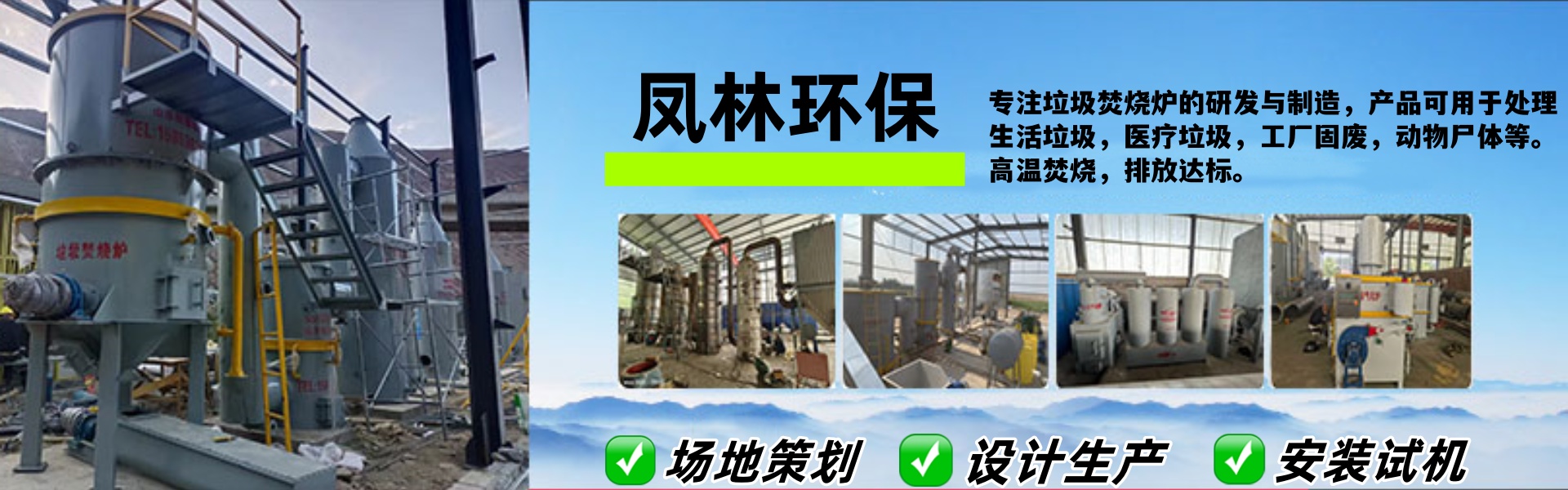
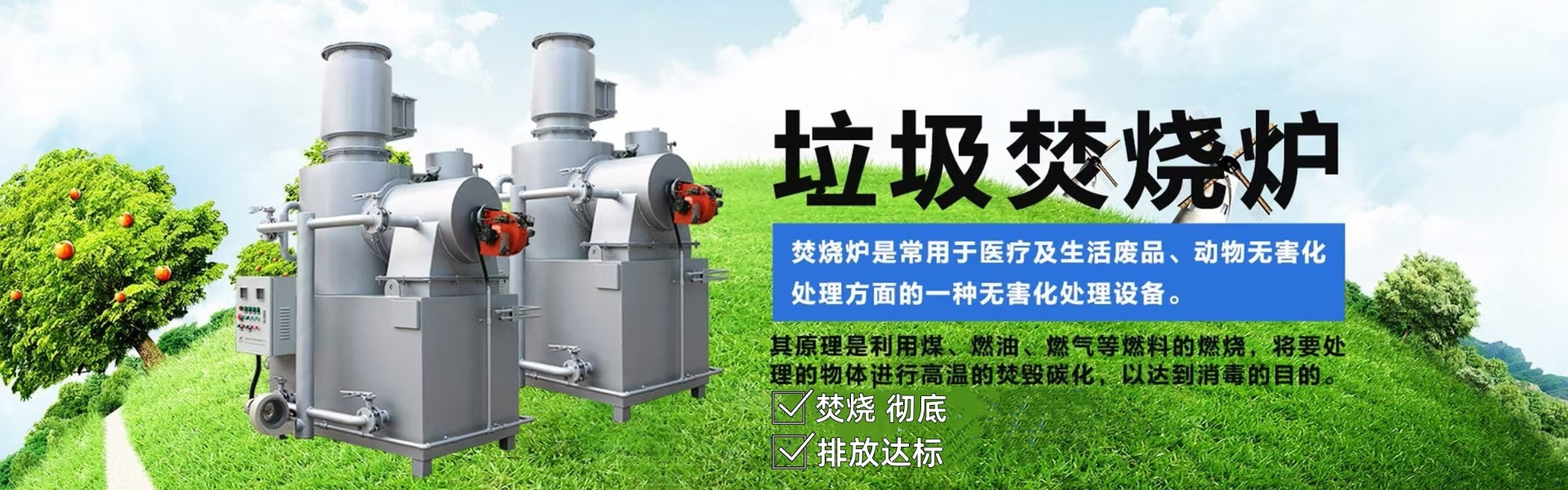
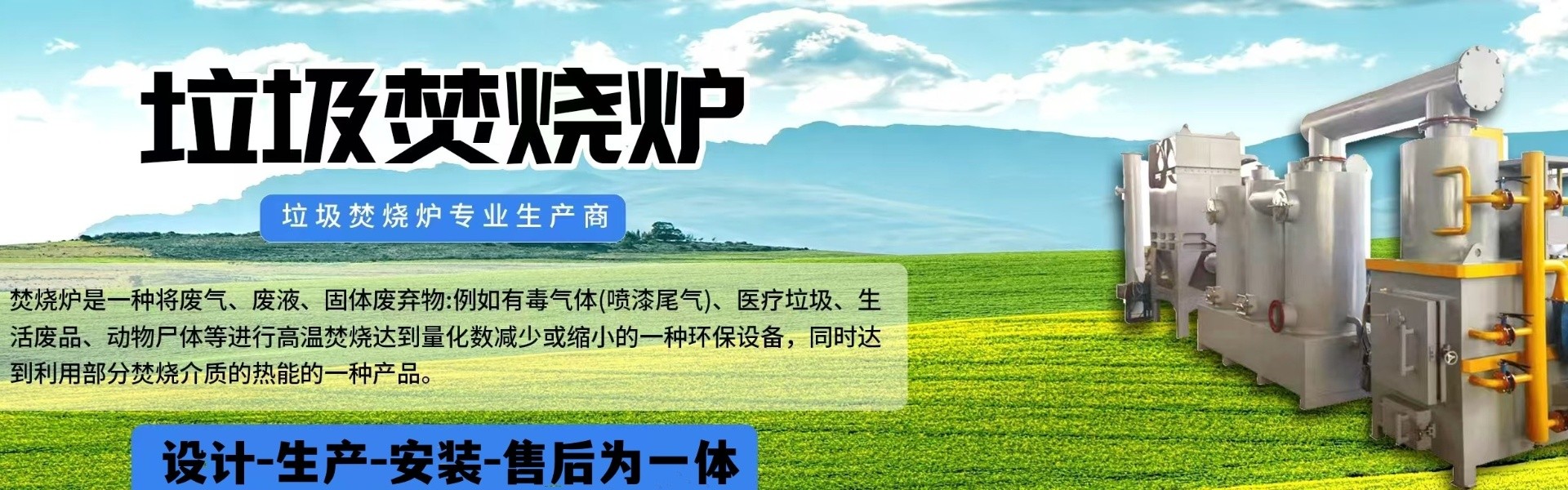

Incinerator operation costs are correlated with the amount of waste incinerated:
Equipment Maintenance Costs
As the volume of waste incineration increases, the wear rate of critical components of incinerators (such as grate and refractory materials) may accelerate, leading to a higher frequency of maintenance and replacement. However, once the volume of waste incineration reaches a certain scale, the growth rate of maintenance costs may gradually decrease due to the relatively stable operational state of the equipment. For instance, at low incineration volumes, the grate may only need to be replaced once every few years. But as the incineration volume continues to rise and exceeds a certain percentage of the design load, an early replacement may be necessary, causing maintenance costs to rise sharply in the short term. Once the incineration volume stabilizes at a higher level, the growth rate of maintenance costs will tend to flatten out.
Fuel and energy costs
Generally, the greater the amount of waste incinerated, the more likely the waste itself can meet the incineration's heat requirements, thereby reducing the use of auxiliary fuels (such as oil) and lowering fuel costs. For instance, when the waste calorific value is low and the incineration amount is small, a substantial amount of auxiliary fuel may be needed to maintain the normal operation of the incinerator; however, as the waste incineration amount increases, the waste's own heat can provide sufficient energy, significantly reducing the consumption of auxiliary fuels.
However, the increase in waste incineration volume can lead to higher operating power for various systems within the incinerator (such as fans, pumps, etc.), resulting in increased electricity consumption. Overall, as the incineration volume grows, the proportion of energy costs in the total cost may initially decrease and then increase.
Cost of environmental treatment
Increased waste incineration volumes lead to a corresponding rise in the generation of pollutants like flue gas and fly ash, thereby increasing the operational costs of flue gas purification systems. For instance, to handle more acidic gases, particulates, and dioxins, more chemicals such as lime and activated carbon are required. The volume of fly ash solidification/stabilization treatment also increases, extending the operation time of related equipment, all of which contribute to higher environmental protection treatment costs.
Labor costs
Within a certain scope, an increase in waste incineration volume does not necessarily lead to a significant rise in labor costs. Since the staffing of incineration plants is typically determined by the designed processing capacity and operational management requirements, labor costs per unit of waste can decrease with the increase in incineration volume, assuming the number of staff remains constant. However, once the incineration volume exceeds a certain threshold, it may be necessary to add personnel (such as increasing shifts, enhancing inspection efforts, etc.), which can then lead to an increase in labor costs.
