
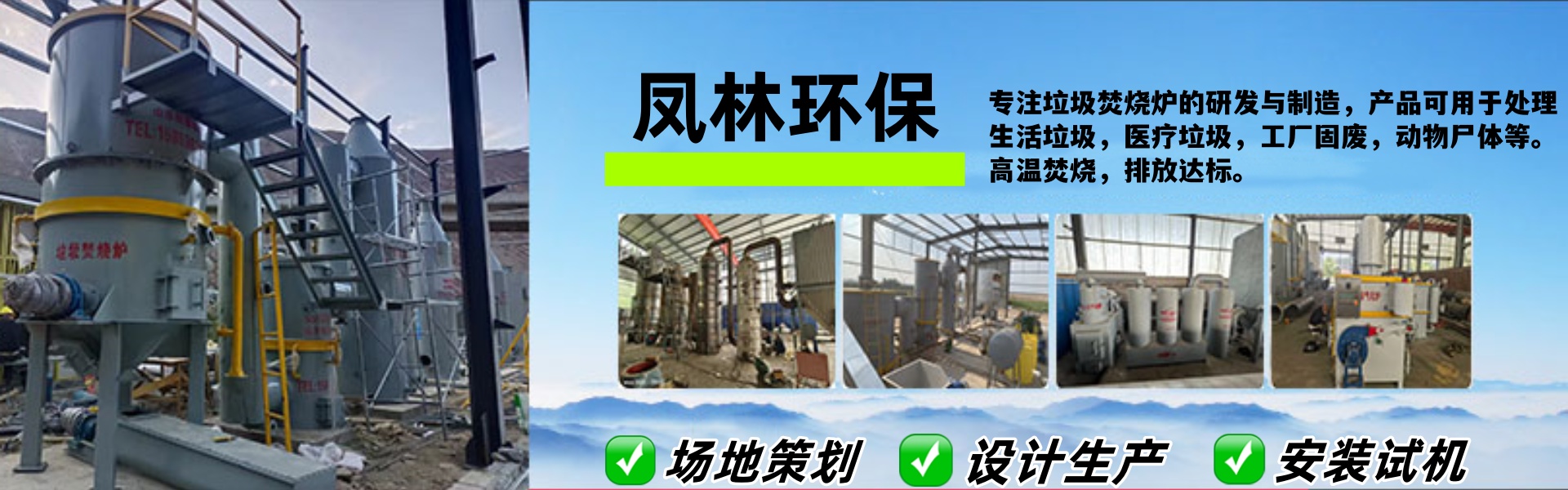
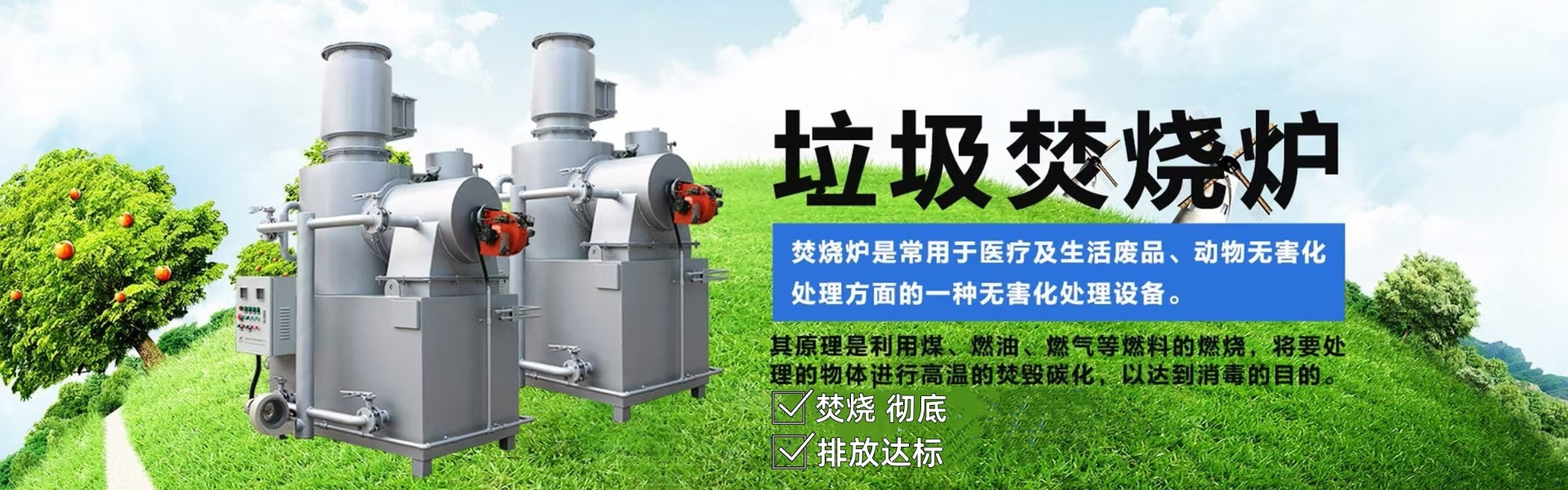
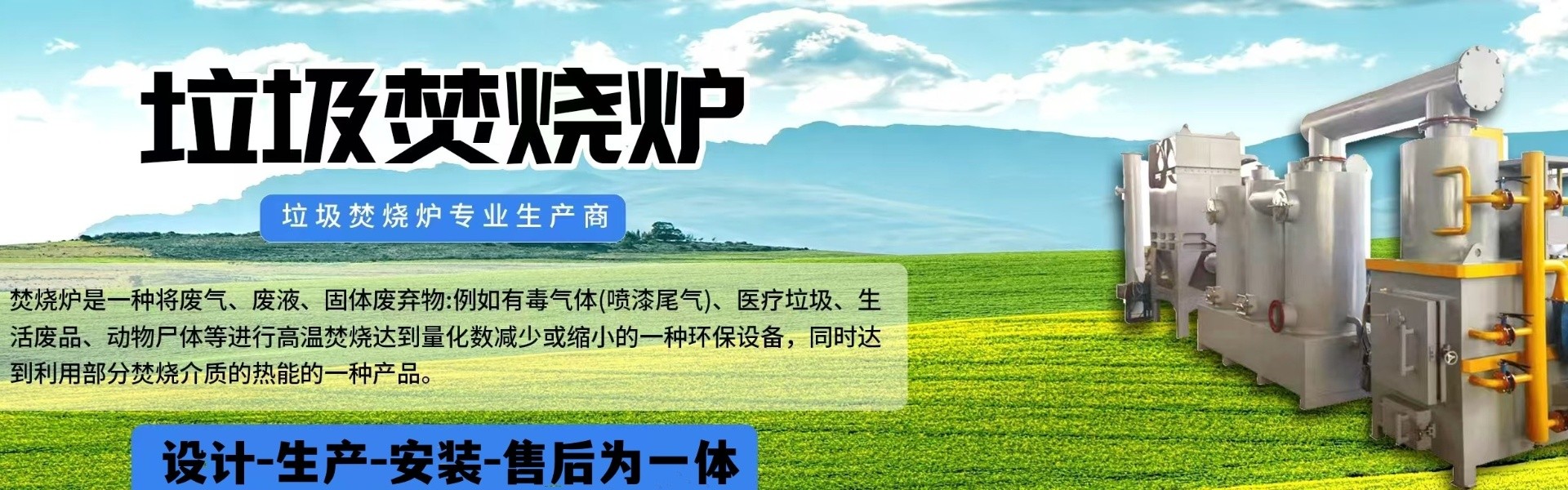

Here is the information regarding waste-to-energy incinerators:
I. Main Types
Mechanical grate furnace
The working principle involves the mechanical movement of the grate, which drives the movement, stirring, and flipping of the waste, allowing it to sequentially pass through the stages of drying, combustion, and complete burning on the grate.
Features: Technologically mature, with a wide range of applicability, and relatively low pre-treatment requirements for waste. Capable of handling waste with varying calorific values and compositions. Waste combustion is stable, with a uniform thickness of waste material in the furnace, and boasts high combustion efficiency.
Fluidized Bed Incinerator
The working principle is to utilize high-speed air flow to keep the waste suspended within the furnace, creating a fluidized bed similar to a fluid. In this fluidized state, the waste is in thorough contact with air for complete combustion.
Features: High combustion efficiency and a wide load regulation range. However, it requires higher specifications for the particle size and uniformity of waste, necessitating pre-treatment of the waste, such as crushing and screening.
Key Components
Furnace chamber
The primary site for waste incineration, its design directly impacts the combustion efficiency and operational stability of the furnace. The design of the furnace chamber's volume, shape, and refractory material properties must be tailored to the characteristics of the waste and the type of incinerator. For instance, the furnace chamber of a mechanical grate furnace is typically designed in a stepped pattern to accommodate the varying needs of waste during different combustion stages.
Burner
The purpose is to ignite waste and assist in combustion. When the calorific value of the waste is low, the burner can provide additional heat to ensure stable burning of the waste. There are various types of burners, including gas burners and oil burners, and the appropriate burner should be chosen based on the actual situation.
Section III: Design Requirements for Environmental Protection Indicators
Flue Gas Purification System
Our range includes various purification equipment, such as bag dust collectors for particle removal from flue gas, with an efficiency of over 99%; wet scrubbers for removing acidic gases like sulfur dioxide, typically with an efficiency of 80% - 95%; and activated carbon injection systems for adsorbing organic pollutants such as dioxins.
Ash Handling System
The ash and slag from incineration are divided into bottom ash and fly ash. Bottom ash typically constitutes 20% to 30% of the waste volume and can be utilized for various purposes, such as brick-making and road construction. Fly ash, though accounting for a smaller percentage, requires stabilization/solidification treatment due to its high concentration of harmful substances like heavy metals and dioxins before landfilling or other disposal methods. The stabilized/solidified fly ash must meet specific leachate toxicity standards, with heavy metal leachate concentrations below the specified limits.
