

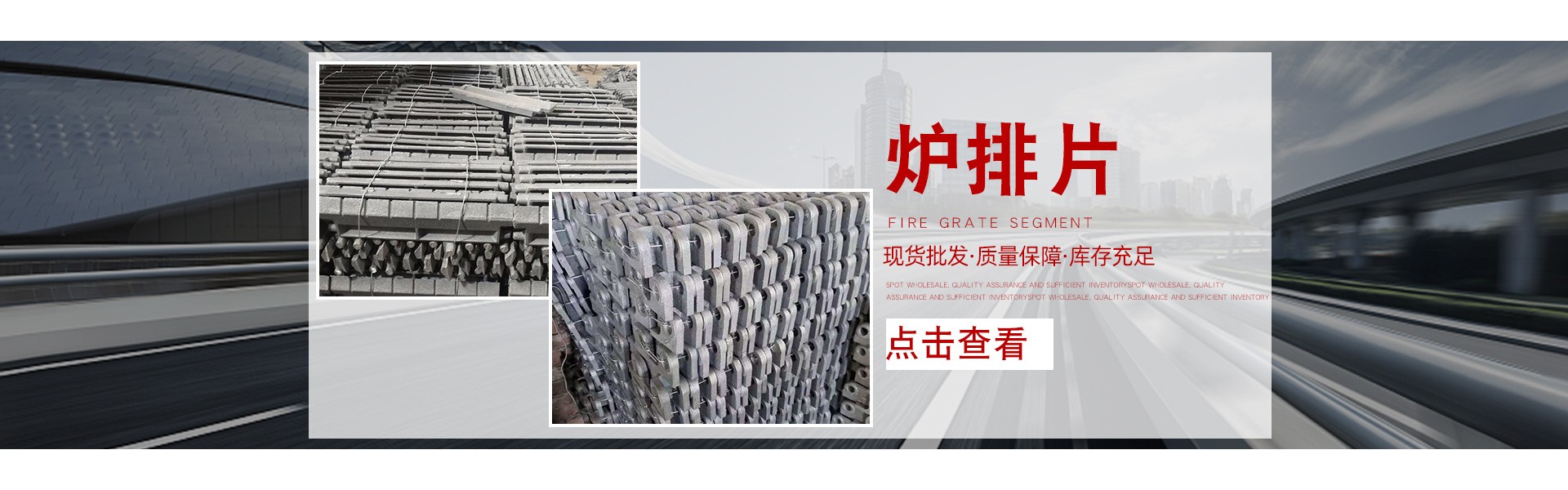
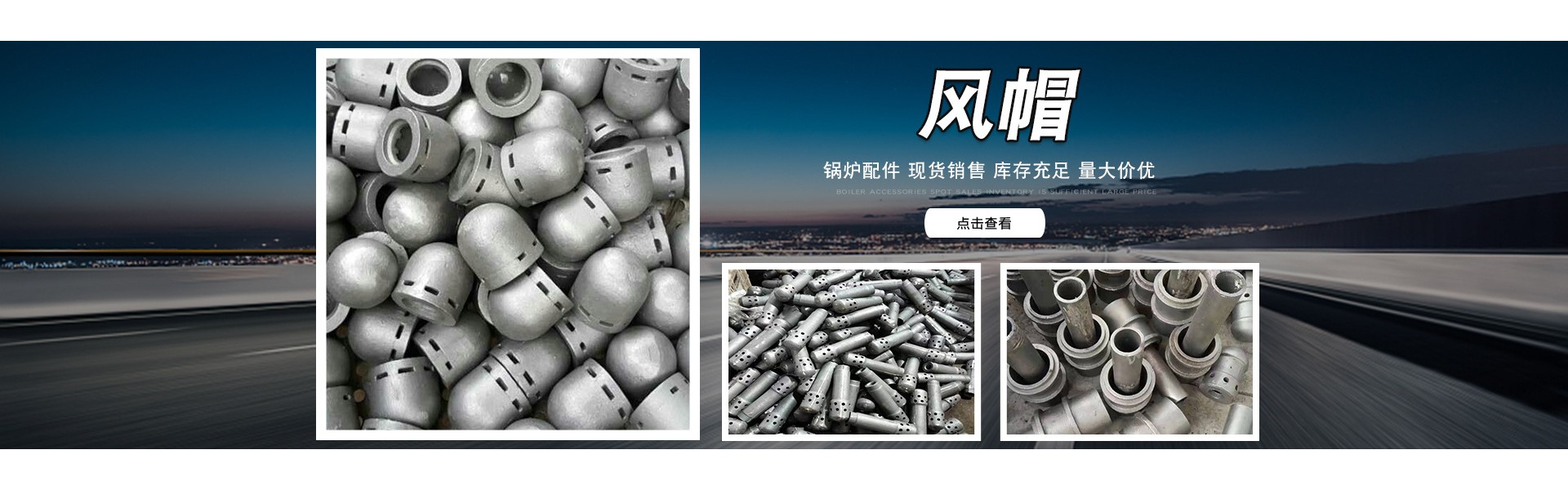


Chain grate boilers are a widely used type of mechanized combustion equipment in industrial pots, but their applicable range is limited. The combustion method of the chain grate boiler is generally the burning of a moving fireboat. The ignition condition is limited ignition, and the fuel enters the interior through the coal hopper of the boiler grate. As the grate advances, the fire inside gradually begins to burn, and the ash that has been burned out moves to the tail of the grate with its movement and is then discharged. Therefore, compared to the boiling furnace, vibrating furnace, and reciprocating furnace, the chain grate boiler has higher requirements for coal quality. Mechanical coal-burning grates are basically in an infinite ignition combustion grate, so their range of coal quality adaptation is relatively broad.
The Chain Grate Boiler is a horizontal three-pass water and fire tube mixed boiler. Typically, a threaded smoke tube is set inside the drum, and a plain tube water-cooled wall is installed on both sides of the furnace chamber. It uses a chain grate to achieve mechanical coal feeding, and features a blower and an induced draft fan for mechanical exhaust. Additionally, a scraper slag removal machine is installed for automatic slag discharge. The chain grate boiler employs an energy-saving counting arch fuel, which falls from the coal hopper onto the grate and, after entering the furnace and combustion, the flames shoot up through the arches, bend around the combustion chambers on both sides, then into the front smoke box, and finally back into the tubes. It then enters the water-gas mixture and is drawn up through the flue by the induced draft fan, ultimately exhausting into the atmosphere through the chimney.
