


The chain grate, resembling a belt conveyor, operates by coal falling from the coal buckets due to gravity onto the front of the grate. It then moves slowly from front to back, passing through the coal gate into the furnace chamber. The height of the coal gate is adjustable to control the thickness of the coal bed. Air is drawn from the air chamber below the grate, intersecting with the direction of the coal bed's movement. Coal inside the furnace is heated by radiation, sequentially undergoing preheating, drying, ignition, combustion, until it is completely burned out. Ash moves to the rear of the grate and falls through the slag plate (commonly known as the "eagle iron"), into the rear water-cooled ash hopper, and is then discharged from the slag removal machine.
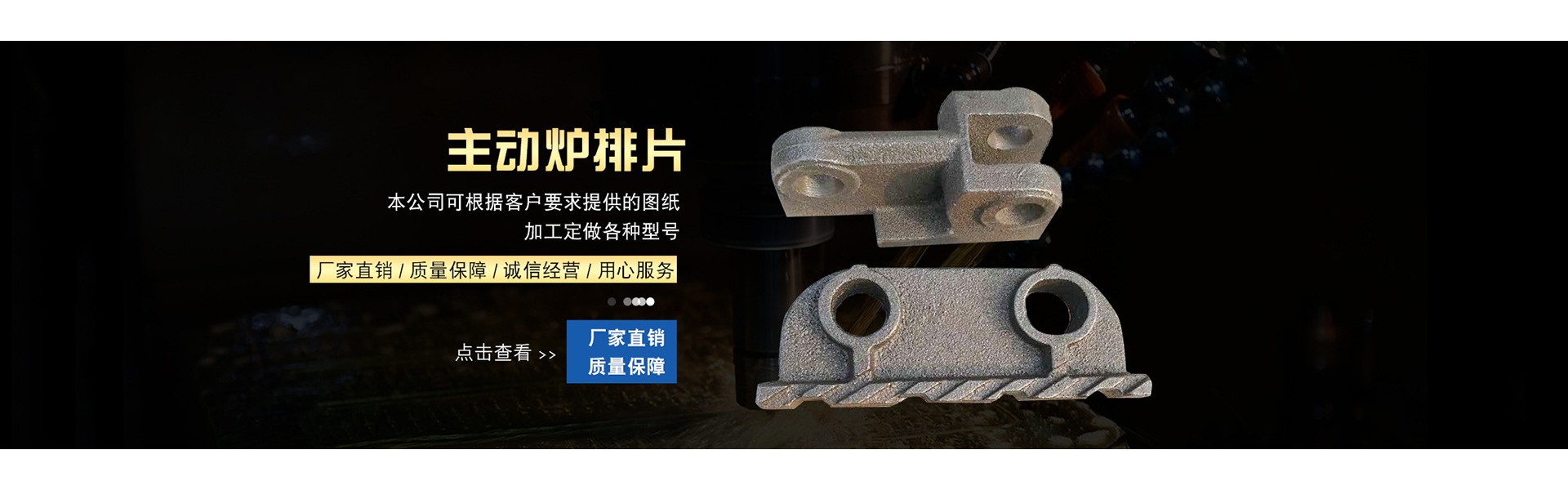
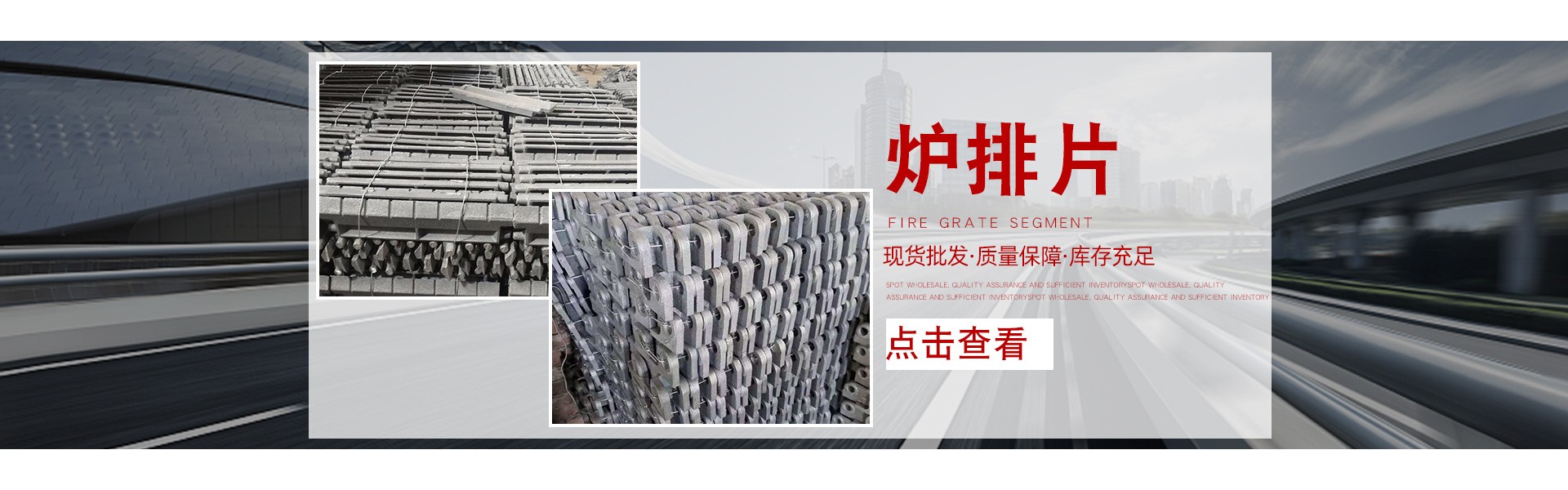
The chain grate is a lightweight grate suitable for boilers with evaporation rates below 10t/h. The grate plates are divided into two types: active and passive plates, connected by round steel rods to form a wide chain belt around the front sprocket and rear drum. Since the active grate bears the traction force for the overall movement of the grate, it is thicker than the passive grate and is made of forged cast iron. In a boiler with an evaporation rate of 4t/h, there are three active chains (on both sides and in the middle) that directly engage with three sprockets on the front shaft. A large number of these chains, as they are not subjected to tensile forces, can be made from low-strength gray cast iron.
News Center Co., Ltd.
