
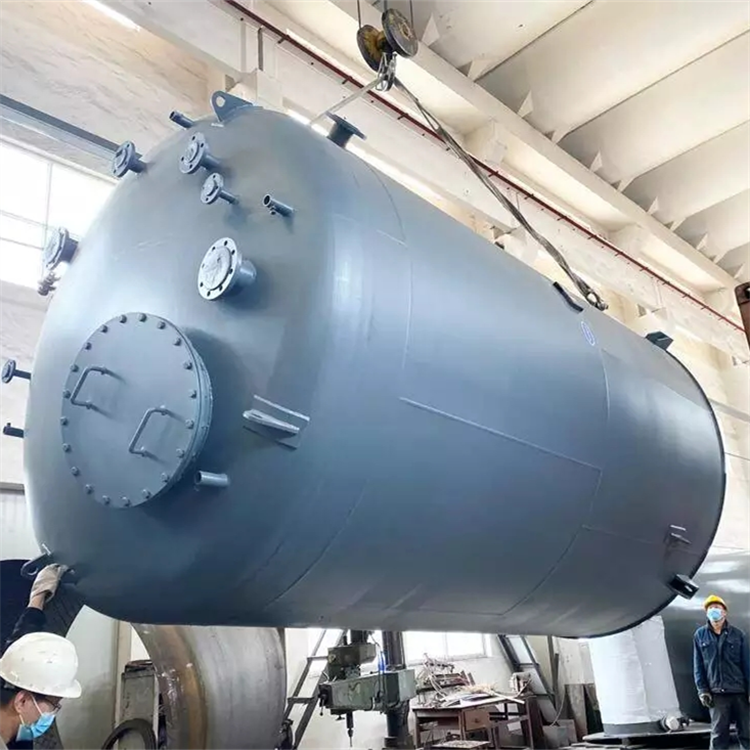
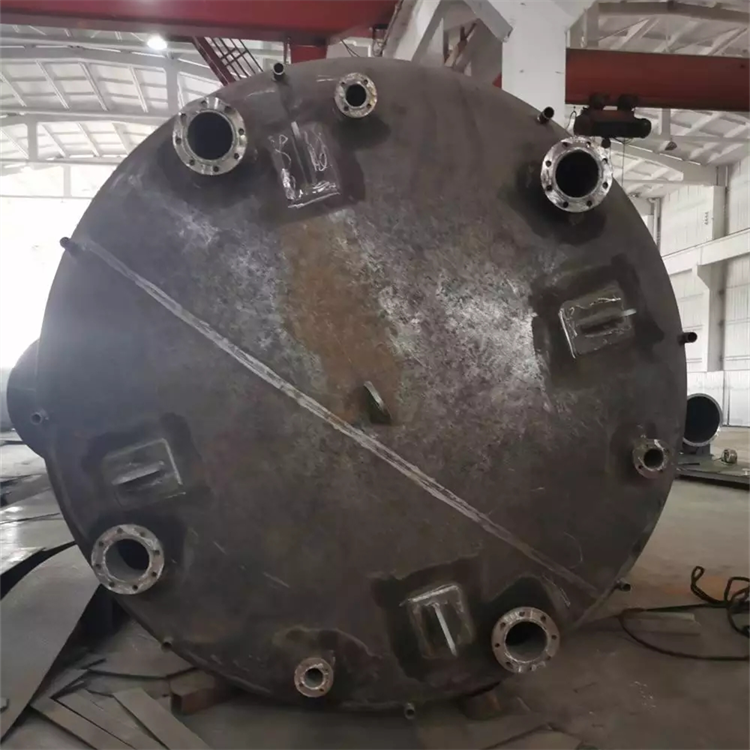
 10 cubic meters vertical sealed top and flat bottom steel-lined PTFE storage tank
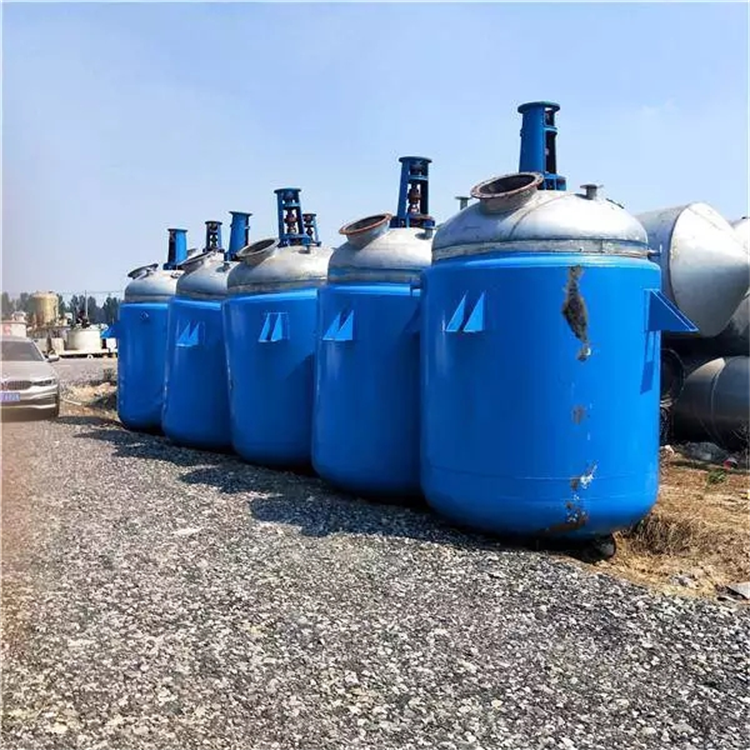
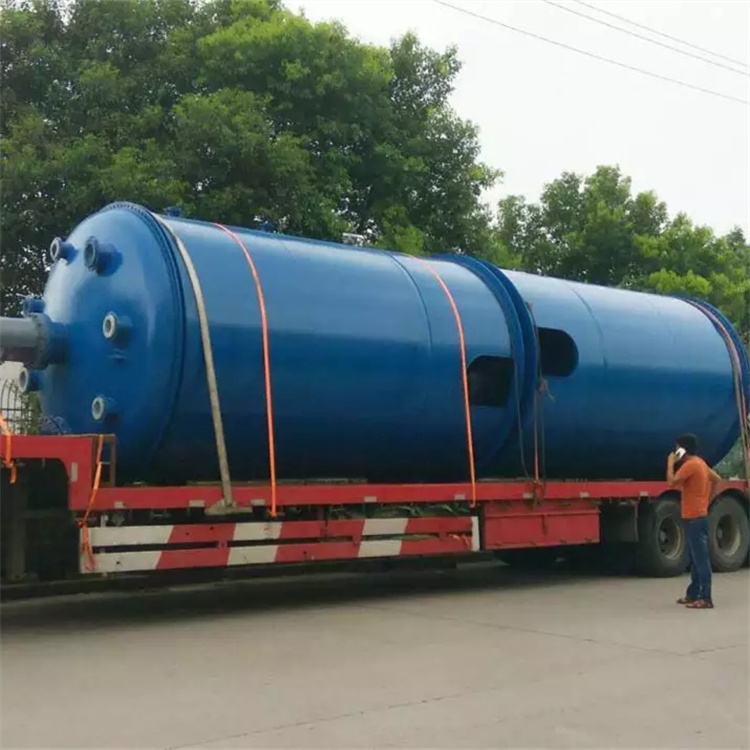 Steel-lined PE, PO Storage Tower and Agitator Tank Equipment
 Weilong Steel Lined PTFE Coated Storage Tank, 5 Cubic Meters
 Carbon steel lined PTFE reactor
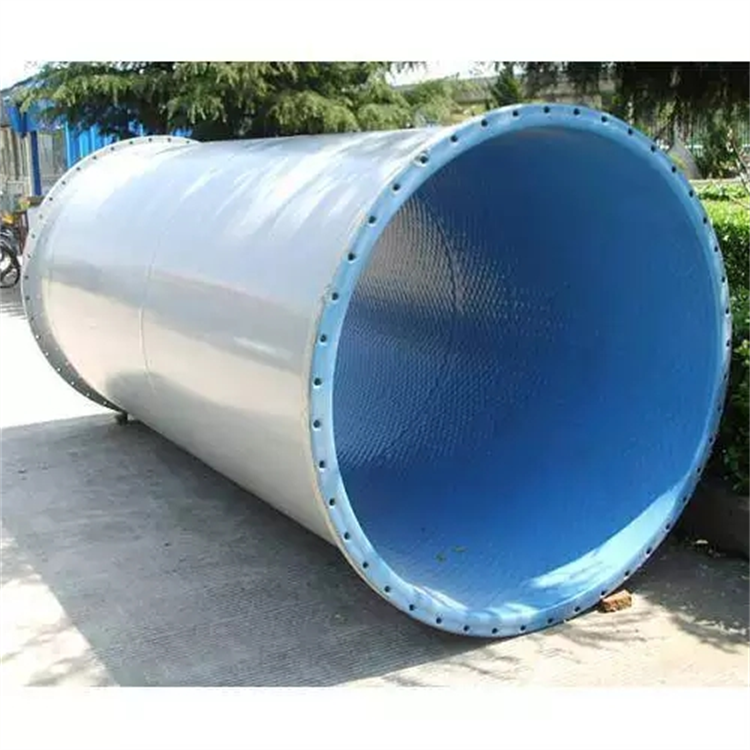 Weilong Steel & Plastic Lined Storage Tanks Spray Towers
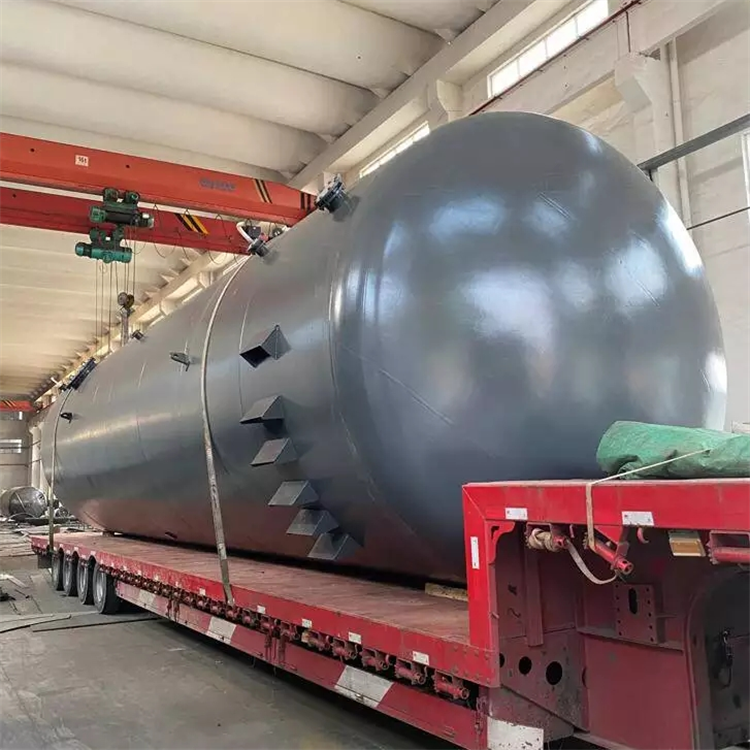 100 cubic meter horizontal steel-lined plastic storage tank
 Weilong PE Plastic Storage Tanks
Product Details

Plastic storage tanks, steel-plastic composite tanks, steel-lined plastic mix...


产品Price Negotiable
最小起订Quantity: 供货总Quantity:


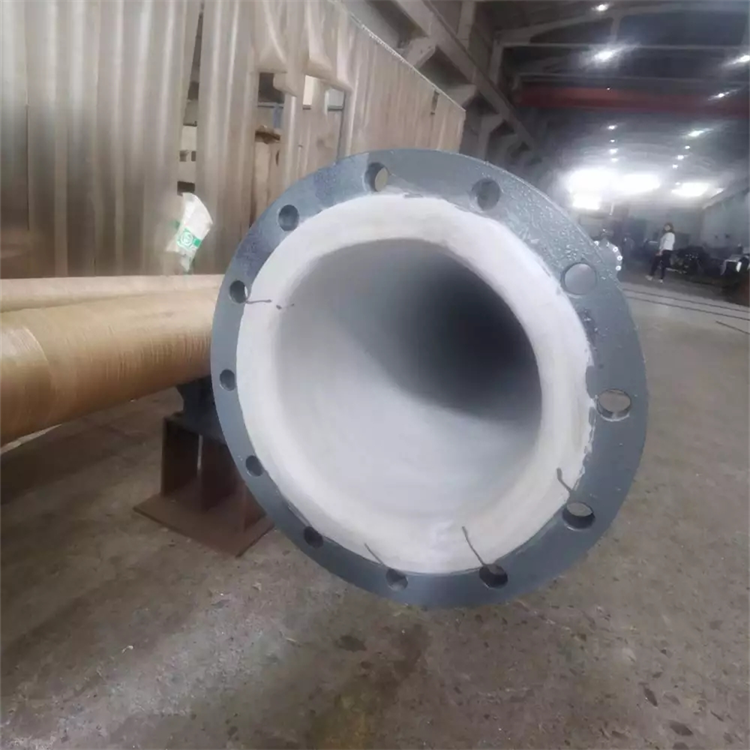
Stainless Steel Lined PTFE Tanks, Plate Lined PTFE Tanks, Tight Lined PTFE Tanks The four-fluoride boards, lined with pre-activated or bonded glass fiber fabrics and coated with an adhesive, are then bonded to the steel shell of the equipment after undergoing Sa2 grade shot blasting and being cleaned with a detergent. The coated steel shell is then adhered to the steel body using vacuum lining technology, capable of withstanding a vacuum pressure as low as -0.095MPa. The thickness of the lining material is selected based on the different usage requirements of the customer. This technology is not limited by the size of manufacturing equipment and also solves the challenges of cleanliness and temperature in the chemical and electronic chemicals industries. It features excellent anti-penetrability, a smooth and bright surface, low friction coefficient, non-adhesiveness, and a long service life. Board lining materials and characteristics Differences between Imported PTFE Sheets and Domestic PTFE Sheets Wuxi Weilong Tank Co., Ltd. produces and sells sulfuric acid tanks, chemical storage tanks, plastic tanks, and sodium hypochlorite storage tanks with excellent sealing performance and more competitive prices. Welcome to contact us for inquiries!
PTFE and PFA imported sheets are produced by the European Fluoroplastics Company using extrusion technology, with a standard thickness of 3mm. The sheets feature a smooth and even surface, are dense, have consistent thickness, and are up to 1.2 meters wide and 25 meters long. Compared to traditional modular sheets, they can reduce the need for welding.
Imported PTFE sheets are manufactured in high-grade clean rooms, with far superior cleanliness compared to domestic sheets and greater corrosion resistance than domestic PTFE sheets.
The EU's PTFE has evolved over nearly half a century, with its production processes and techniques being more rational and experienced compared to domestic materials. This is primarily reflected in the balanced density (2.15-2.2g/cm³) and thickness of the sheets, which is achieved without excessively increasing the sheet thickness, thereby affecting the difficulty of lining the sheets while effectively implementing corrosion prevention.
The back activation processing technology for PTFE sheets in the EU is among the best globally. The quality of the activation directly impacts the bonding strength of the sheets. The bonding strength of imported PTFE sheets reaches -0.05 Mpa, which is unattainable by domestic sheets.

Phone Consultation