





Factory floor load-bearing capacity safety inspection and certification
What's the Importance of Factory Safety Inspections?
Ensure employee safety and well-being
Industrial factories are sites for a variety of production activities, involving numerous hazardous factors such as heavy machinery, chemicals, and high temperatures and pressures. Therefore, conducting safety inspections of the factory can promptly identify potential safety hazards, prevent accidents, and ensure the lives of employees.
Fire Prevention
Factories often store large quantities of flammable materials, such as oil and chemicals. Regular fire safety inspections help ensure that storage conditions meet requirements, preventing fires or explosions. Safety checks also verify the functionality of fire protection equipment, like extinguishers and fire hydrants, to further ensure employee safety.
1.2 Equipment Inspection
In industrial production, machinery and equipment are indispensable tools. However, due to long-term use and wear, these machines may experience various malfunctions, such as electrical failures or hydraulic system oil leaks. By conducting safety inspections on machinery and equipment, these issues can be identified early on, and repairs or replacements can be made to prevent accidents caused by equipment failure.
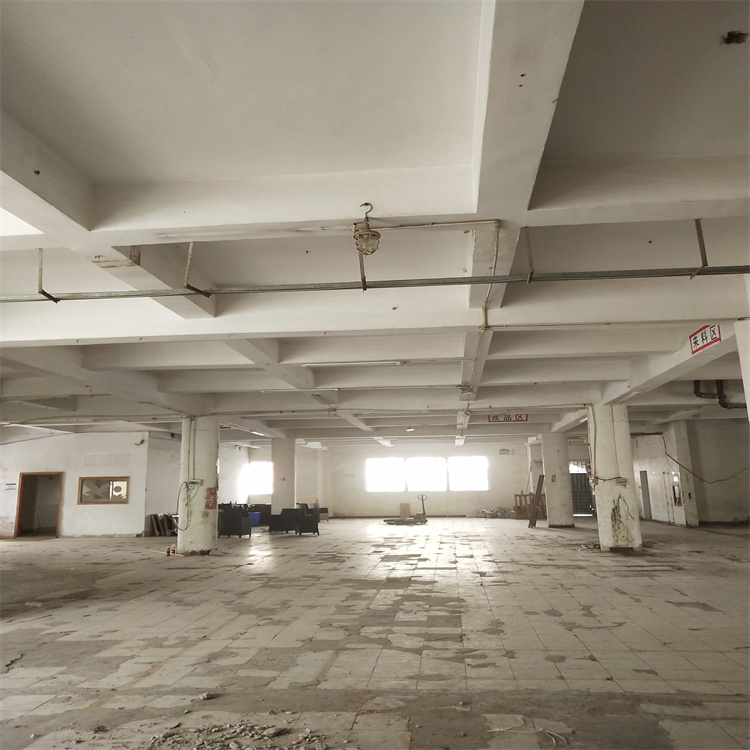
The inspection process typically includes the following steps:
On-site Inspection: Formulate specific inspection plans based on the actual on-site conditions.
2. Floor Load Testing: Utilizing weighing equipment to test the floor load-bearing capacity.
3. Floor Structure Inspection: Including floor elevation, structural layout, and component cross-sectional dimensions.
4. Inspect component materials: including concrete strength, steel reinforcement, etc.
5. Foundation Testing: Assess whether the foundation meets the load-bearing requirements for the floor.
6. Safety Assessment: Conducted a safety evaluation of the floor load-bearing capacity based on test results, to determine compliance with safety standards.
7. Report Writing: Provide a detailed safety inspection report, elaborating on the inspection process, methods, and results, and offering recommendations for handling.
Please note that specific operations must be conducted in accordance with local regulations. Additionally, the specific testing agencies may require further confirmation. It is recommended to consult the local building safety administration department for accurate information.
