




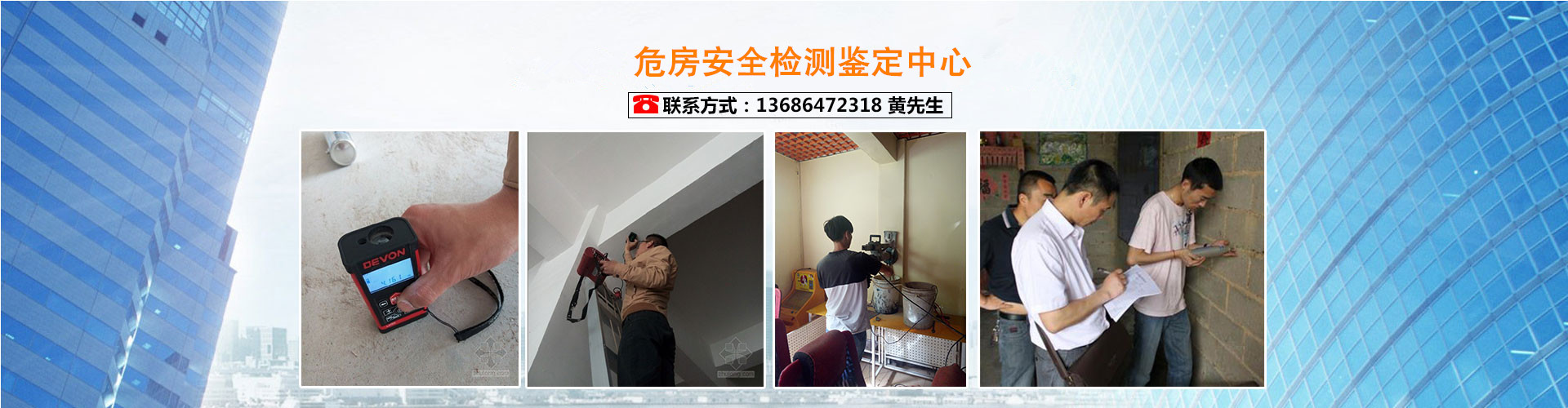


Structural Steel Warehouse Floor Load-bearing Safety Inspection and Appraisal Agency
The Steel Structure Factory Load Safety Assessment Report is a crucial basis for evaluating the safety performance of steel structure factories. This article will provide a detailed introduction to the details and content of the Steel Structure Factory Load Safety Assessment Report, helping readers better understand this field.
I. Overview
Structural steel workshops play a crucial role in industrial production, with their safety directly impacting the production process and personnel safety. Therefore, it is of paramount importance to conduct load safety assessments on structural steel workshops. This article will delve into the load conditions, assessment methods, procedures, and contents of the assessment report for structural steel workshops from the perspective of load safety assessment.
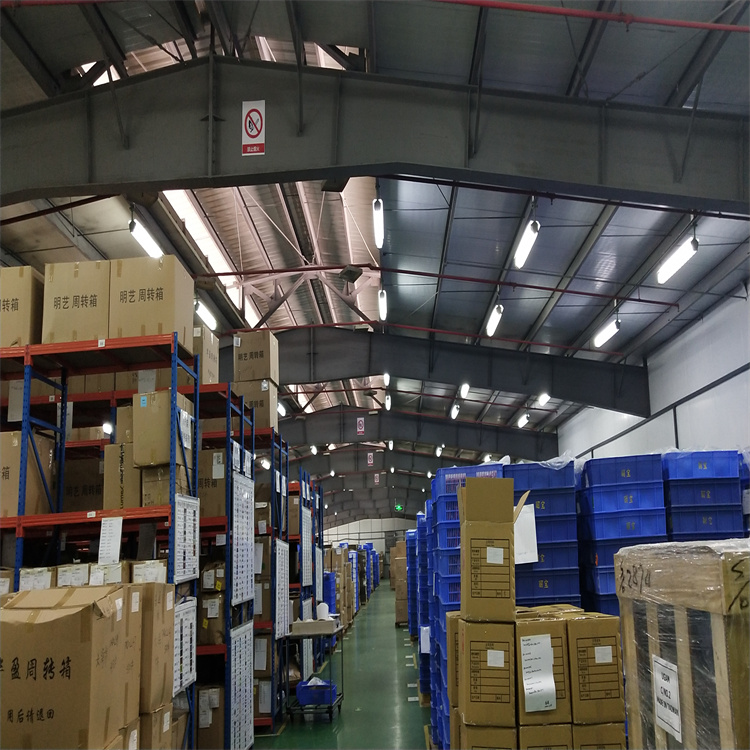
The detailed content and steps for quality and safety inspections and certifications of steel structure factory buildings include the following aspects:
1. Investigate the factory's usage history and structural system. By reviewing relevant documents and communicating with factory management personnel, gain insights into the factory's usage history, including the construction year, changes in use, and potential repair and renovation records. Additionally, understand the factory's structural system, including frame structures and cantilever structures, to determine the overall structural form of the factory.
2. Document the main structure and load-bearing components of the factory. Conduct detailed documentation of the factory's main structure and load-bearing components, including written descriptions, drafting of drawings, and photography or videography. These records serve as references for subsequent inspections.
3. Conduct mechanical property tests on the structural materials of the factory building. This includes testing the structural materials of steel structures, such as tensile strength, yield strength, elongation, and other indicators, as well as the quality of welding and the fill material of the welds.
4. Inspect structural defects and damages in the factory building. The structural inspection includes surface defects in steel structures, bolt connection quality, weld quality, and deformation conditions, among others. Additionally, the supporting systems and fixed components of the factory building are examined to determine the presence of any damage or defects.
5. Conduct structural load-bearing calculations and analysis. Based on the tested and collected data, perform detailed load-bearing calculations and analysis on the factory's structure. This includes calculating the cross-sectional dimensions, self-weight, snow load, and wind load of the steel structural components, and analyzing the calculation results to determine the structural safety of the factory.
6. Evaluate the overall structural performance of the factory. Based on the testing and analysis results, assess the overall structural performance, including strength, stiffness, stability, and other aspects. Additionally, evaluate the seismic performance of the factory to determine its safety under natural disasters such as earthquakes.
7. Issue Inspection and Identification Reports. Based on the inspection and evaluation results, a quality and safety inspection and identification report for steel structure factory buildings shall be issued. The report should include the structural characteristics of the building, material test results, structural defects and damage conditions, load-bearing calculation and analysis results, as well as an overall structural performance assessment. Additionally, corresponding treatment and recommendation suggestions should be proposed.
