




Steps for Structural Steel Safety Inspection and Certification
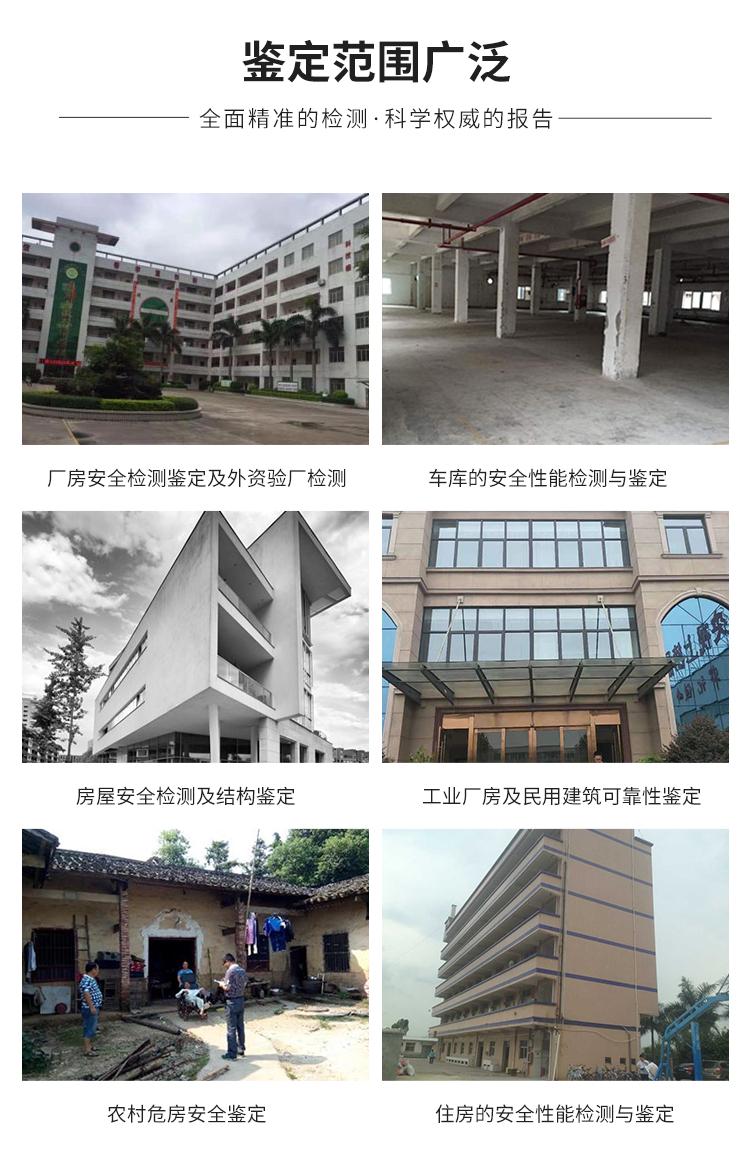
For structural steel厂房roof load testing, or to find a roof photovoltaic load testing institution, please call our hotline. We specialize in building safety inspections, factory floor load testing, factory reinforcement design and construction, school and kindergarten safety inspections, and factory acceptance testing. Welcome to contact us.
Structural Steel Factory Mezzanine/Steel Roofing Safety Inspection and Certification
Steel Structure vs. Brick-Mortar Construction
(1) The superior advantages of steel structure functions
1. The construction materials exhibit isotropy, conforming to mechanical assumptions, thereby enhancing design accuracy.
2. Construction Flexibility: Lightweight and high-strength, capable of simple completion of large spans and complex structures. In cases where the beam height is the same, the spacing of steel structures can be 50% larger than that of concrete.
3. Excellent seismic performance. The construction has a low total weight, resulting in reduced seismic forces and good ductility. This has been proven during each major earthquake.
4. Quality is easily ensured. Due to factory-made production, high precision is achieved, making it more conducive to meeting structural design requirements compared to concrete.
5. High room ratio. Due to the smaller component cross-section, less area is occupied by the structure within the constructed area.
6. Easy to Modify. Changes in the owner's requirements during the design and construction of the house are easily accommodated.
Economic Function Excellence
The steel structure has a light self-weight, which can reduce the foundation cost, and its advantage is particularly evident in soft soil areas.
2. High strength, with smaller cross-sections for beams and columns, allowing for an additional 5~7% in effective usable area. Enhances the inherent value of the property.
Construction speed is up to 40% faster, reducing the project timeline by over 40%. This allows for the facility to be put into use earlier, speeding up the real estate developer's capital turnover by nearly a factor of two, while also significantly lowering the cost of capital usage.
4. Under the same floor-to-ceiling height, the steel structure maintains a smaller wall area, saving energy required for air conditioning and reducing maintenance costs.
5. Dry construction methods to minimize environmental pollution risks.
6. Steel structure construction has a light self-weight and low comprehensive transportation costs for construction materials.
Structural Steel Inspection Plan Main Content: 1. Project Overview (structural type, floor area, total number of floors, service life). 2. Inspector's purpose or requirements. 3. Inspection basis (inspection standards and relevant technical documents). 4. Inspection items, methods, and sample sizes. 5. Inspector and equipment details. 6. Inspection progress schedule. 7. Required collaboration between the client and the inspection party. 8. Safety measures for inspection. 9. Environmental protection measures for inspection. Real Estate Certificate House Safety Inspection and Identification Report: Weld quality inspection can be divided into general inspection and instrumental inspection. General inspection can preliminarily determine the basic conditions of the weld; instrumental inspection can provide a more accurate measurement of the quality of steel structure welds.
Business Introduction
Road and bridge structures are elevated architectural constructions used for crossing rivers, lakes, seas, valleys, lowlands, or other traffic routes by roads, vehicles, and pedestrians. Road and bridge structures can be categorized by the construction material, including prestressed concrete and reinforced concrete bridges, reinforced concrete bridges, and steel bridges. According to their load-bearing characteristics, bridges are classified into five basic types: beam bridges, arch bridges, rigid frame bridges, suspension bridges, and composite system bridges (cable-stayed bridges). Bridge engineering projects are not only an essential part of infrastructure but also a foundation for stable economic development and a key to ensuring safe and convenient travel for people.
