
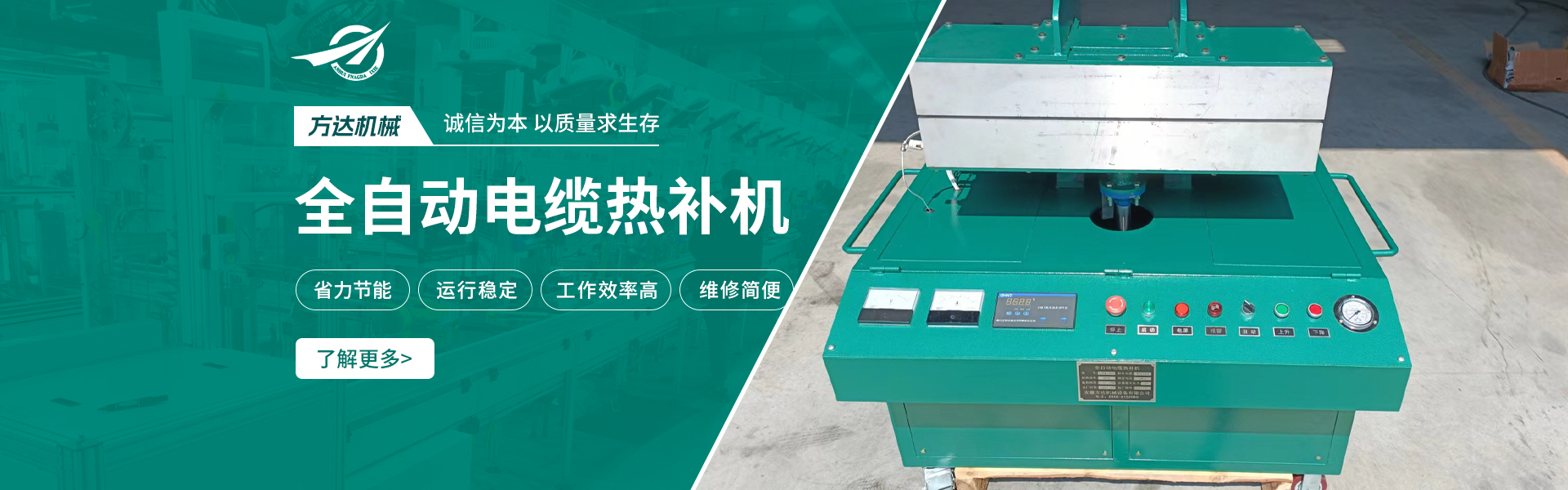
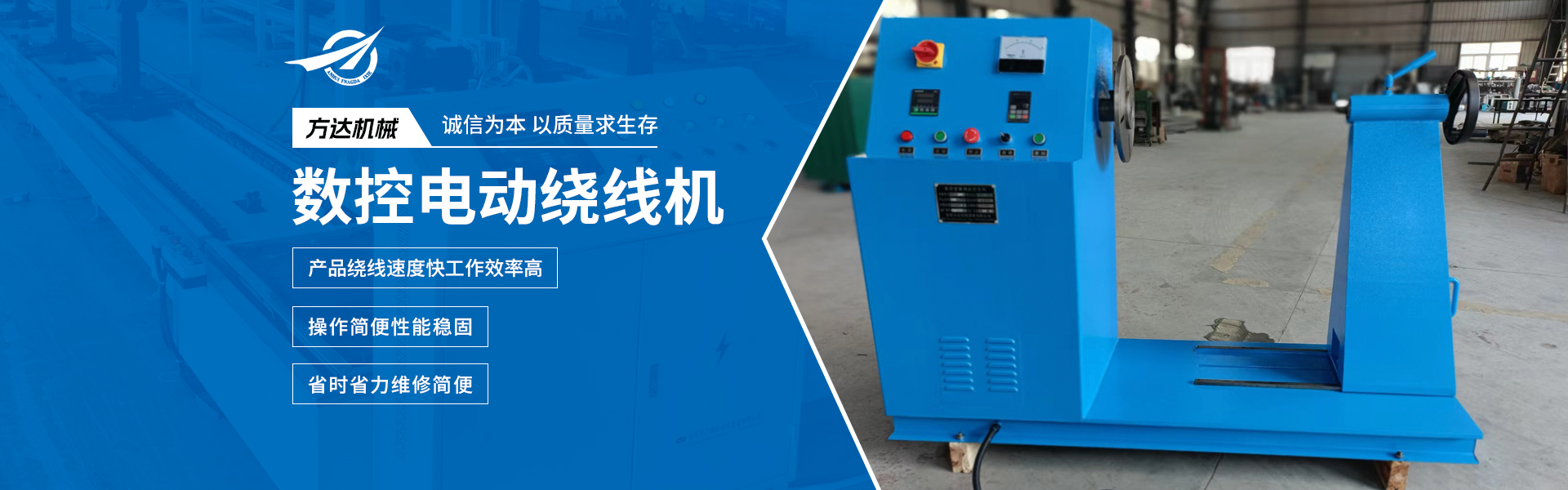



Our common winding machines require a spindle speed control function to adapt to the winding process of the coils. The configuration of winding equipment varies depending on the type of processing required. We are familiar with three main types of spindle motors: AC motors, DC motors, and servo drives. Each of these motors uses a different speed control method, which has its own characteristics. Below, we will discuss the speed control methods used in winding equipment.
Uninterruptible Motor Speed Control Methods
AC motors are a common type of motor we encounter. These motors do not have a built-in speed regulation function. They require electromagnetic speed regulation devices or the addition of variable frequency inverters to achieve speed regulation. In winding equipment, the most common method is variable frequency inverter speed regulation. By controlling the inverter through the winding equipment's control system, the motor gains speed regulation capabilities. This method also offers certain energy-saving benefits.
Section Two: Methods of Speed Control for DC Motors
We commonly encounter two types of DC motors: brushed and brushless DC motors. DC motors require converting the supplied power into DC electricity to operate, thus they are equipped with a DC speed controller or brushless driver for motor control. Due to their compact size, they are widely used in small winding equipment.
Section 3: Servo Motor Speed Control Methods
Servo motors have only been applied to automatic winding machines in recent years. They are precision motion components suitable for high-precision winding equipment and are used in conjunction with dedicated drivers to achieve closed-loop operation control. These motors are characterized by constant torque and closed-loop operation, meeting the requirements for high-precision wire coils.
