



- AllProduct Category
-
Cast Stone Slabs
Wear-Resistant Ceramic Composite Lining Plate
Alumina Ceramic
rolled microcrystalline panel
High Molecular Weight Polyethylene Plate
Ceramic Lining Plates
PP Water Tank
Polyethylene Non-Symmetric Parts
Cast Stone Pipe






详情描述
I. Product Introduction
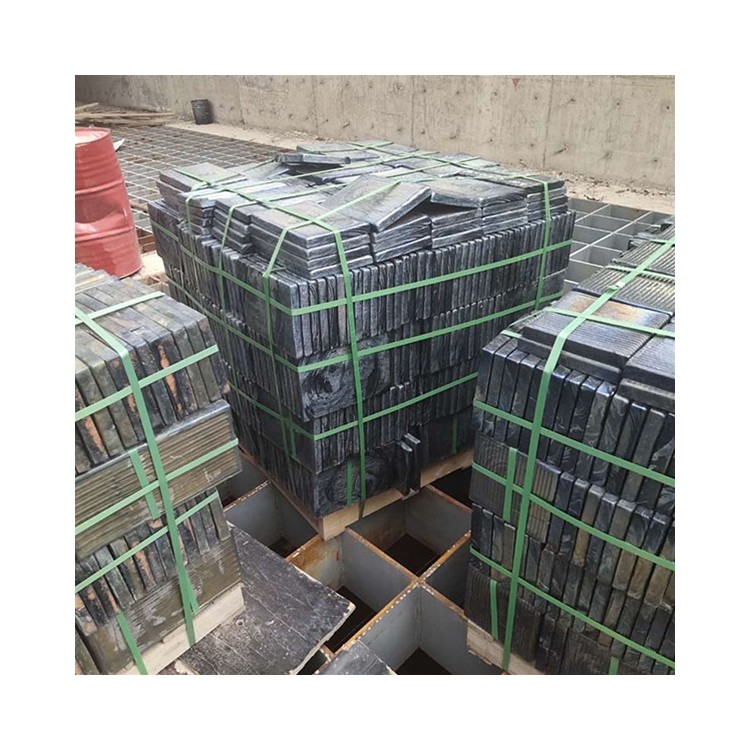
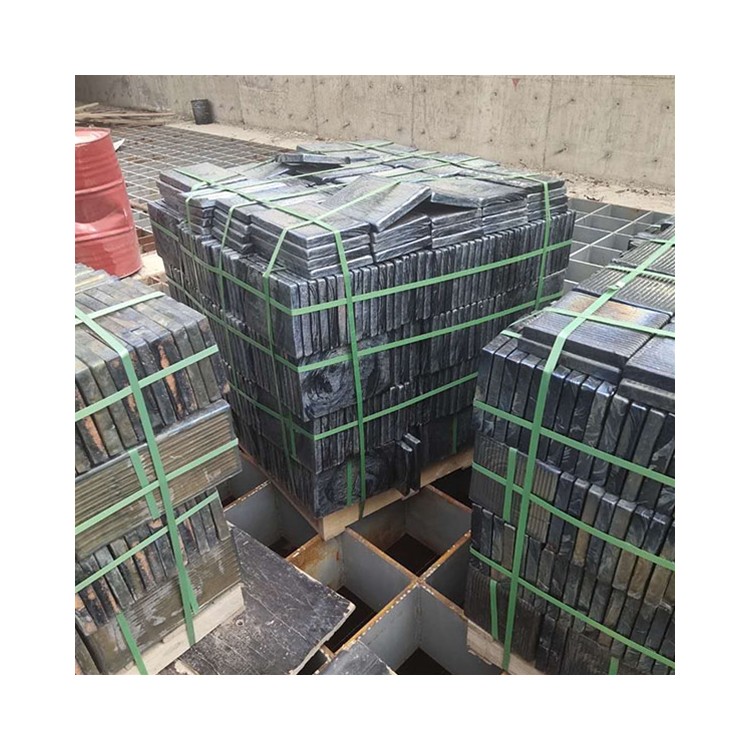
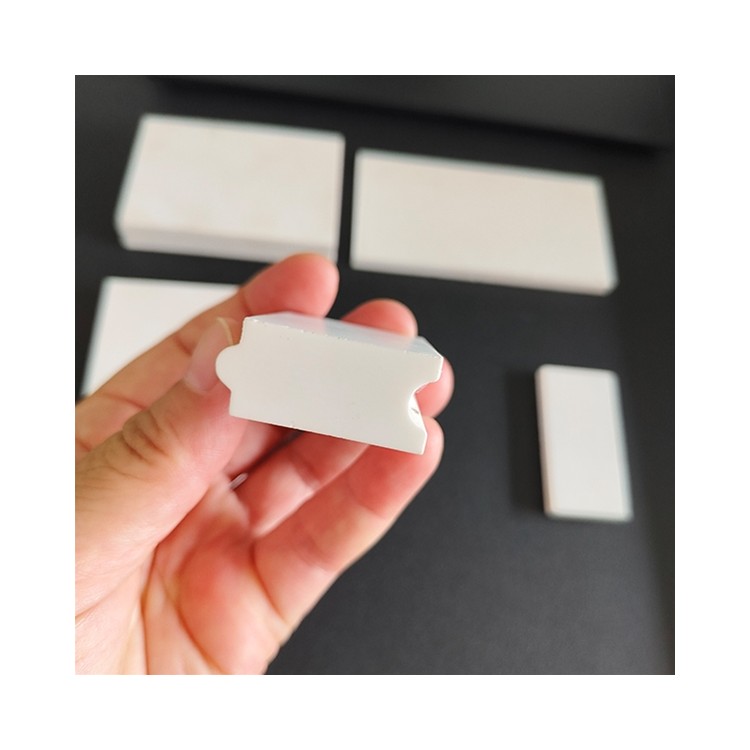
Cast stone is a non-metallic wear and corrosion-resistant material made by processing raw materials such as natural rocks like diabase and basalt or industrial waste slag, adding certain additives like amphibole, dolomite, and fluorite, along with crystallizers such as chromite and ilmenite, through processes like melting, casting, crystallization, and annealing. The products include plates, bricks, pipes, and various non-standard materials. These materials of various specifications, including plates, pipes, and non-standard shapes, are collectively termed as cast stone products.
Cast stone forming processes include melt casting, sintering, and hot direct casting. Cast stone products are now widely used in industries such as construction materials, chemicals, metallurgy, and mining. Cast stone is an ideal substitute for steel, iron, lead, rubber, and wood in many equipment parts, offering high wear resistance and corrosion resistance to acids and alkalis, which is unattainable by most metals. It also extends equipment lifespan, reduces maintenance time, enhances production efficiency, and lowers product costs. Cast stone has been used in corrosion prevention projects for decades, characterized by its dense structure, low water absorption rate, high compressive strength, and good wear resistance. It has excellent resistance to almost all inorganic acids, organic acids, alkalis, salts, water, and organic solvents, except for hot phosphoric acid above 30°C and alkali solutions. Cast stone is a brittle material with high hardness, but its main drawback is its high brittleness, making it unsuitable for承受 heavy impacts.
The cast stone products have a relatively low SiO2 content, but due to the high-temperature melting process, a protective layer is formed upon crystallization, which reduces chemical corrosion of the medium to near zero. This is the primary reason for the high acid resistance of cast stone.
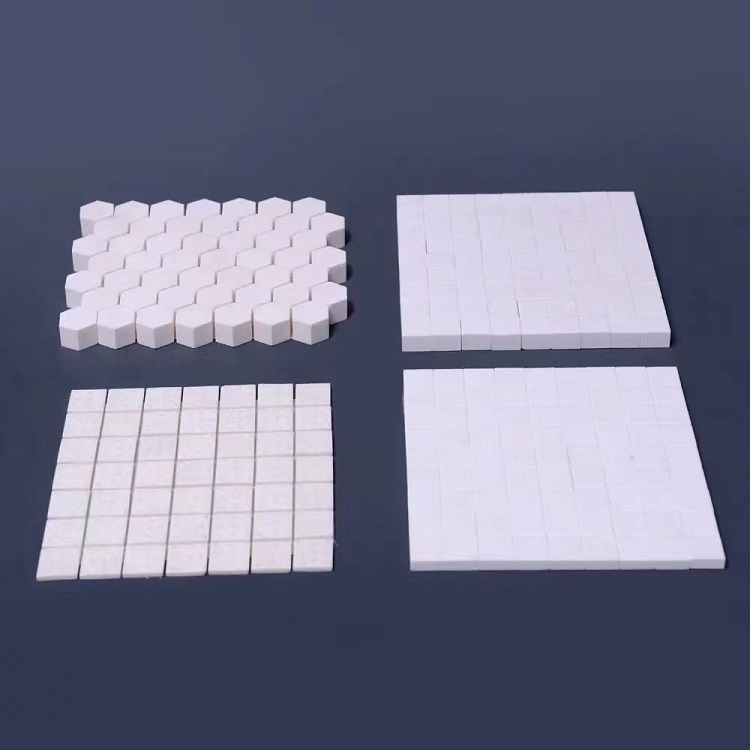
Cast stone slabs are divided into three main categories: standard, standard-irregular, and special-irregular. Standard slabs include rectangular, trapezoidal, hexagonal, sector, and circular shapes; standard-irregular slabs consist of curved slabs, trough镶板, slag ditch straight groove镶板, etc.; special-irregular slabs feature double-curved panels, cone-shaped panels, sieve strip cast stone panels, as well as slag ditch bends, variable diameter, confluence, two-way, and three-way outlet boards. All types of equipment linings are included within these categories.
II. Application Scope
1. Power Generation Industry: Coal unloading channel, coal hopper, coal storage silo, dry coal grate, dump cars, slag removal machine, water treatment, etc.
2. Chemical Industry: Corrosion-resistant flooring, pump foundations, etc.
3. Coal Industry: Wear-resistant linings for coal bins, gangue bins, medium storage drums, scraper conveyors, bucket elevators, chutes, and sieve-bottomed funnels, etc.
4. Iron and Steel Industry: Blast furnace blending silos, sintering silos, feeders, pelletizers, etc.
询价单


