




- AllProduct Category
-
Grouting Reinforcement
Carbon Fiber Reinforced
Seismic Reinforcement
Adhesive Steel Reinforcement




Recommended Products
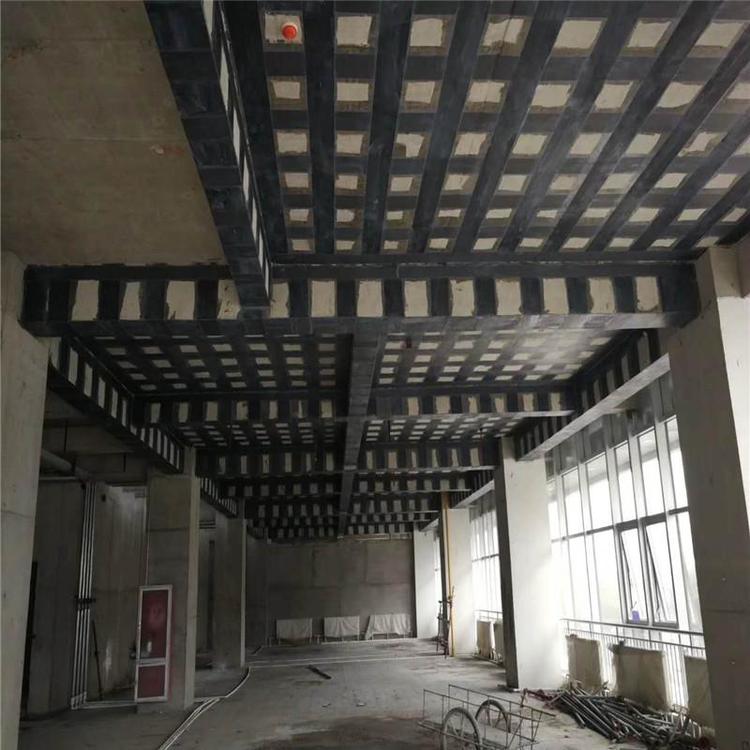
Concrete Rebar Grouting Reinforcement Construction, Rebar Grout Reinforcement
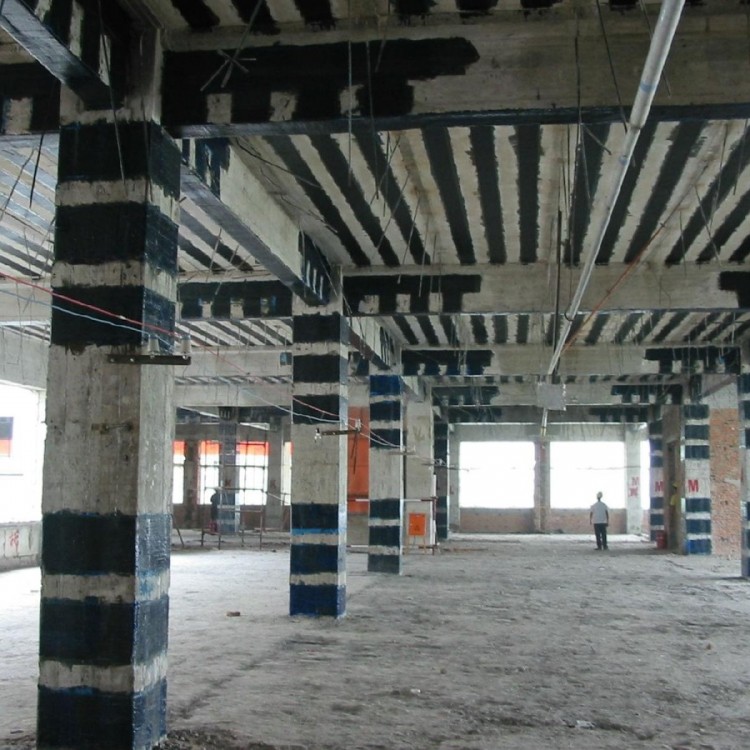
Concrete Reinforcement with Anchor Bolts, Concrete Structure Reinforcement
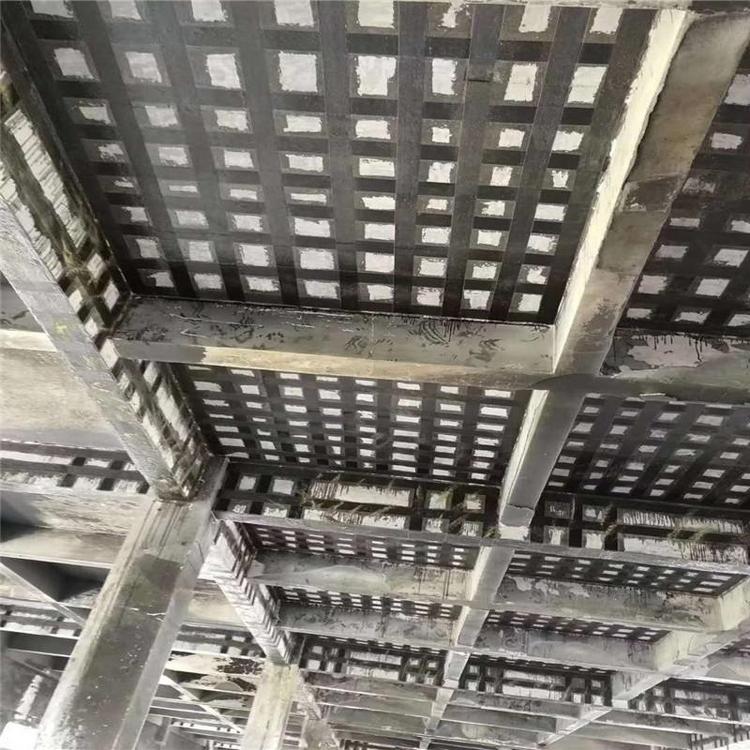
Bonded steel bar reinforcement, concrete structure reinforcement
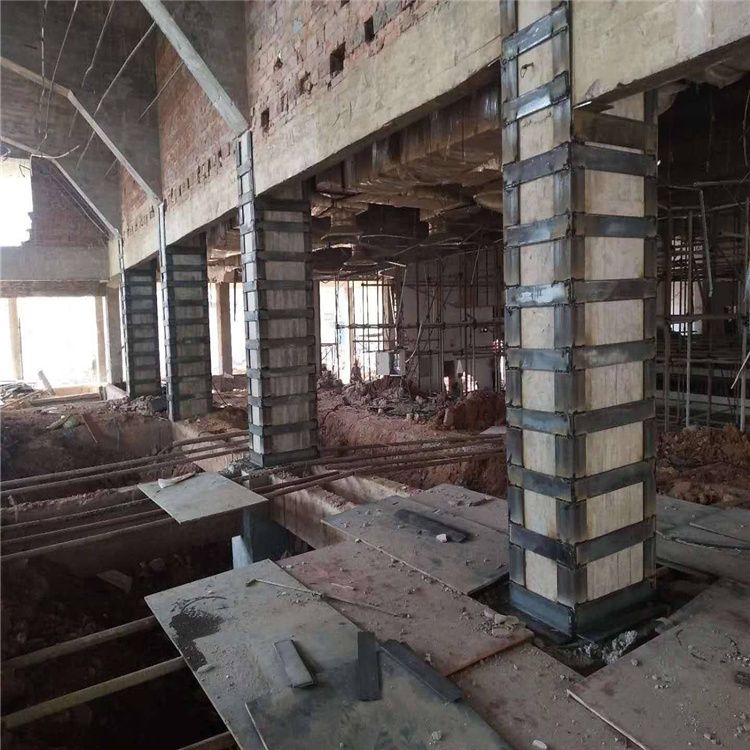
Seismic Reinforcement Company for Circular Beam and Column Structure, Renovation and Reinforcement, Full Qualifications
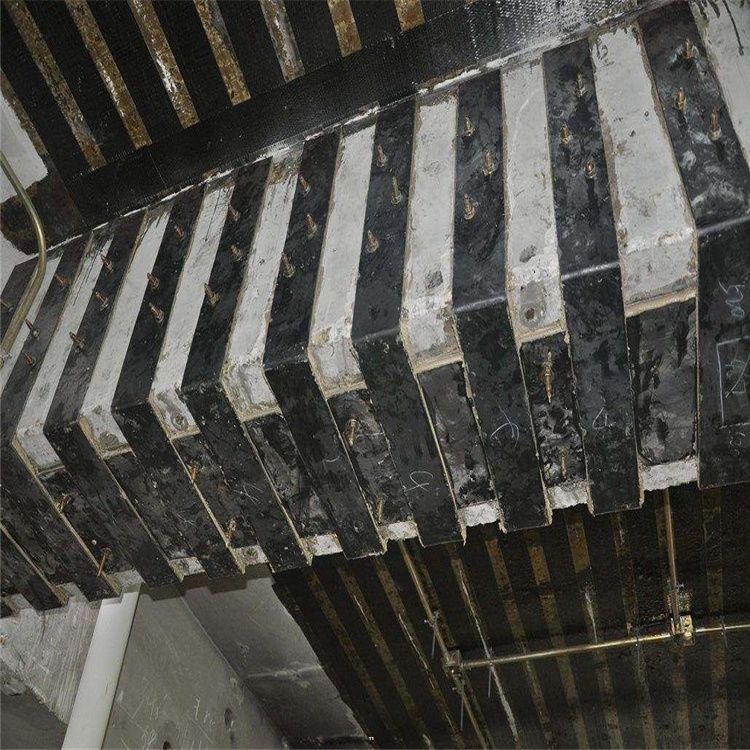
Anhui Steel Reinforcement Company - Full Qualifications, Extensive Construction Experience
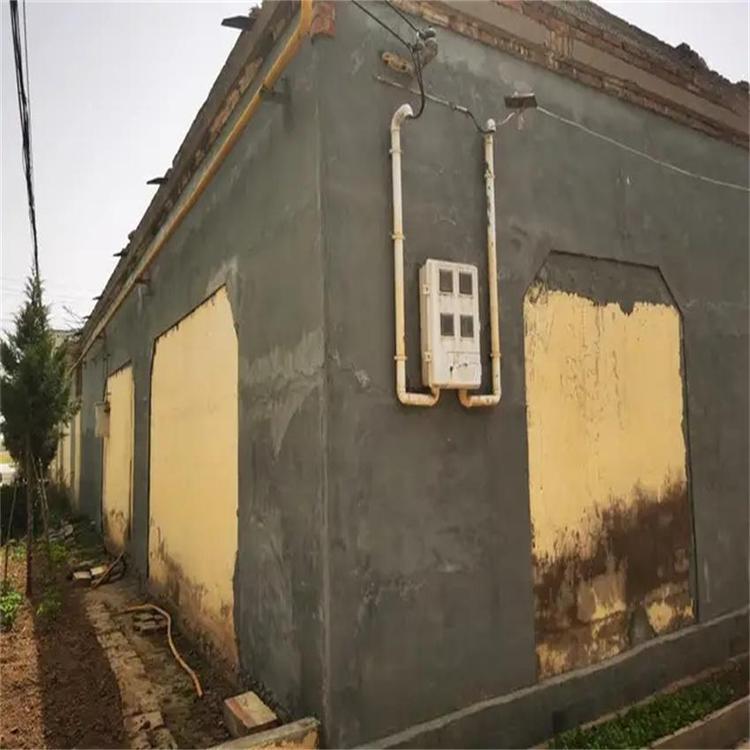
Seismic Retrofitting Company for Buildings | Renovation and Strengthening | Full Qualifications
详情描述
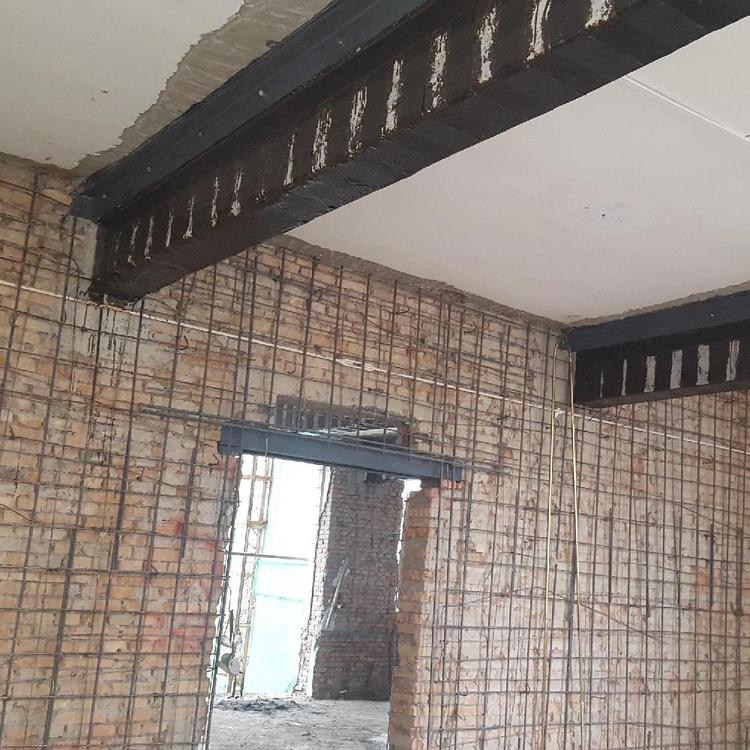
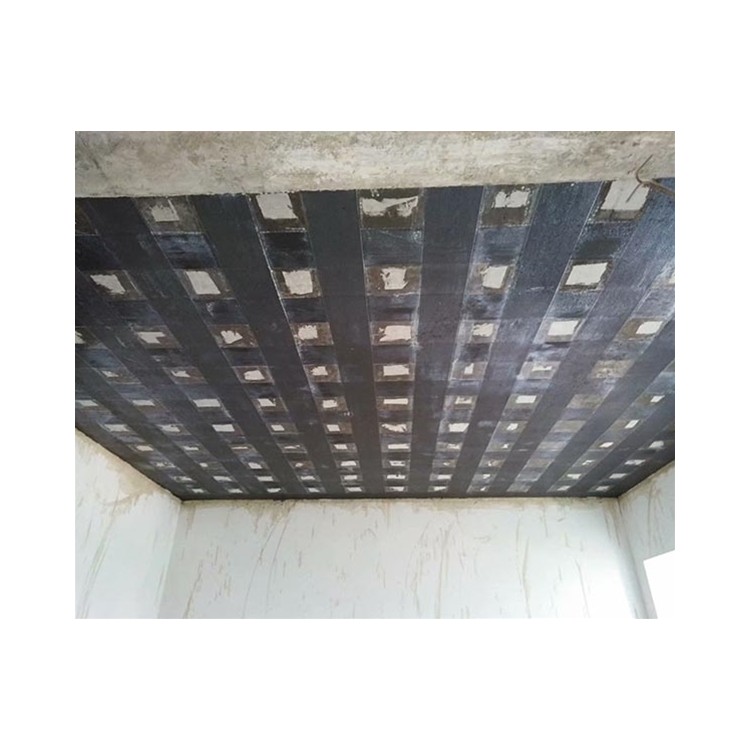
Carbon fiber reinforcement in the construction section requires cleaning the concrete components' surfaces prior to repair and reinforcement. Any defective areas should be coated with primer and patched to achieve a smooth surface. The reinforcement materials must comply with relevant documents. Additionally, due to the need to ensure the quality of carbon fiber reinforcement, both materials and workers must possess the corresponding qualifications.
Characteristics of carbon fiber reinforced construction:
1. Carbon fiber composite materials are lightweight with high specific strength and stiffness. To achieve the same effect, the dimensions of carbon fiber composites are significantly smaller than those of metal plates. Moreover, due to the lightweight nature of carbon fiber composites, fasteners are not required during installation, thus essentially not increasing the weight and dimensions of the original component.
2. Carbon fiber composites offer excellent formability, providing a particular advantage for working with complex curved structures, such as pipelines.
3. Minimizes damage to the steel structure itself, requires no drilling into the existing structure, and does not weaken the bearing section of the original structure. It preserves the integrity of the original structure without creating new stress concentrations, thus preventing cracks around the drilling area. Additionally, it avoids residual stresses from new welds, which could lead to new crack fatigue sources.
Carbon fiber reinforced construction technique:
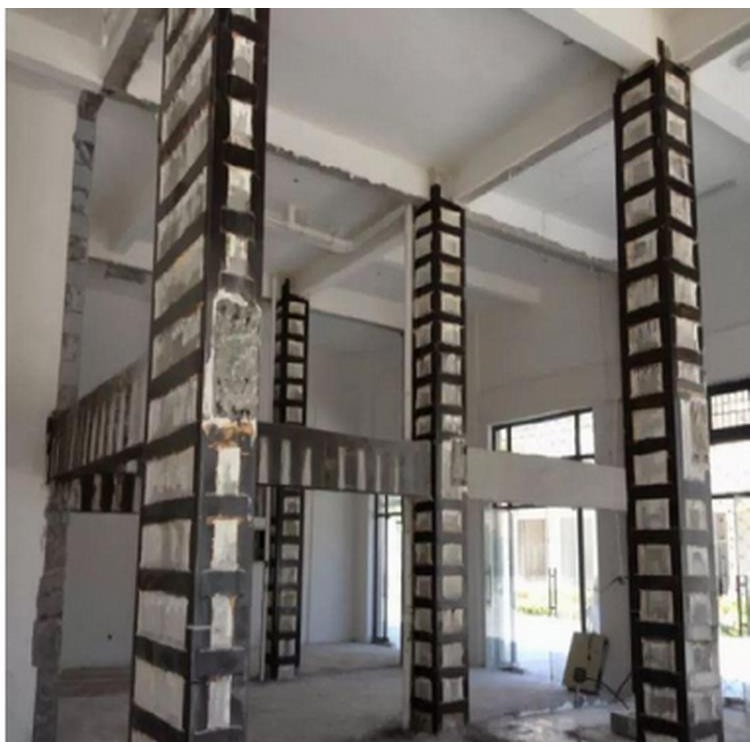
Carbon fiber reinforcement can be used for bending and shear reinforcement of concrete structures, and it is also widely applicable for earthquake and crack prevention in various industrial and civil buildings and structures, such as concrete structures, overpass bridges, beams, columns of buildings, tunnels, harbor facilities, chimneys, etc.
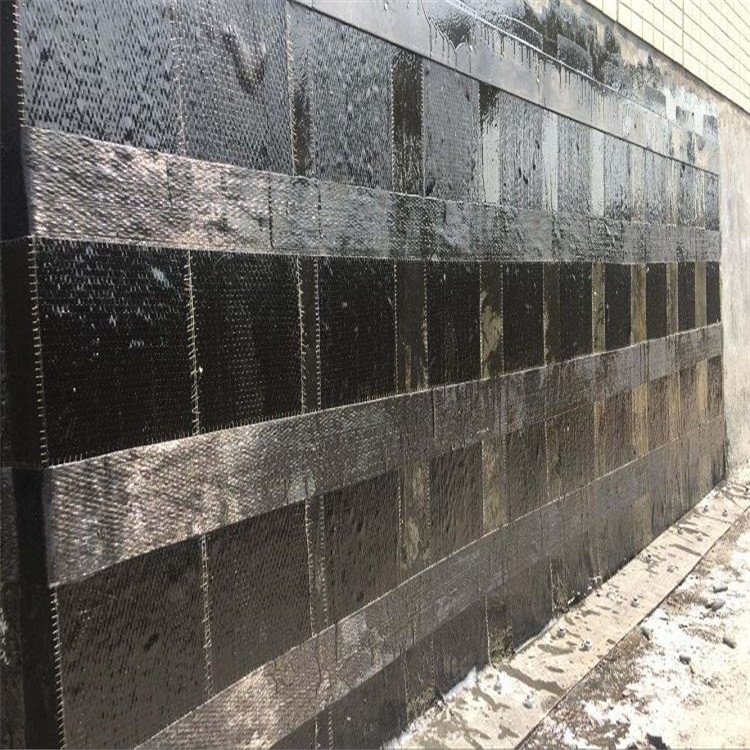
2. Carbon fiber reinforcement involves using high-tensile carbon fibers pre-impregnated with epoxy resin to create composite reinforcing materials. The epoxy resin adhesive is applied along the tensile direction or perpendicular to the crack direction on the structure requiring reinforcement, thereby forming a new composite. This composite allows the reinforced adhesive material and the original reinforced concrete to collectively bear the tensile strength against cracking.
3. Carbon fiber reinforcement also demands stringent quality standards. All incoming materials, including carbon fiber and bonding materials, must comply with quality specifications and bear a factory product qualification certificate, meeting the design requirements for reinforcement and strengthening. Additionally, avoid stacking during transportation and storage to prevent damage to the carbon fiber. Carbon fiber should not be directly exposed to sunlight like shower curtains; it should be stored in a cool, shaded area in a sealed manner.
Caution for carbon fiber reinforced materials:
Carbon fiber has a low elasticity, and when used in conjunction with steel rebars, its strength is only utilized to about 20%, thus making it impossible to effectively leverage the strength of the carbon fiber.
2. When combined with concrete, it undergoes a bonding reaction. The strength of carbon fiber reinforcement is limited; excessive bonding can cause issues and compromise the structural bond strength.
3. The current reinforcement method effectively bonds two items together, but if an issue arises with the bonded part, the other bonded component is also likely to be affected.
Construction requirements for carbon fiber reinforcement:
1. When selecting house reinforcement, it's not about which method is better, but about finding the right one. Choosing the appropriate reinforcement method is the better approach. So, what are the requirements for the construction environment when using carbon fiber reinforcement? These reinforcement methods require different tools and environmental temperature conditions. Different houses should employ different reinforcement methods.
2. The carbon fiber reinforcement method involves using a strong adhesive liquid, such as resin, to bond carbon fiber sheets to the surface of concrete structures. Prior to carbon fiber reinforcement, the concrete surface must be treated and cleaned to ensure it is clean and dry, free of any contamination. The environmental temperature for the carbon fiber reinforcement process should be between 5°C and 35°C, with a relative humidity of no more than 70%, and the strength of the base concrete must not be lower than C15.
Our company always adheres to the corporate philosophy of "honesty and practicality, dedicated to service, striving for satisfaction," fully following our clients' needs, continuously innovating our products and improving our services. We are eager to partner with you, walk together, progress together, and share the future!
询价单


